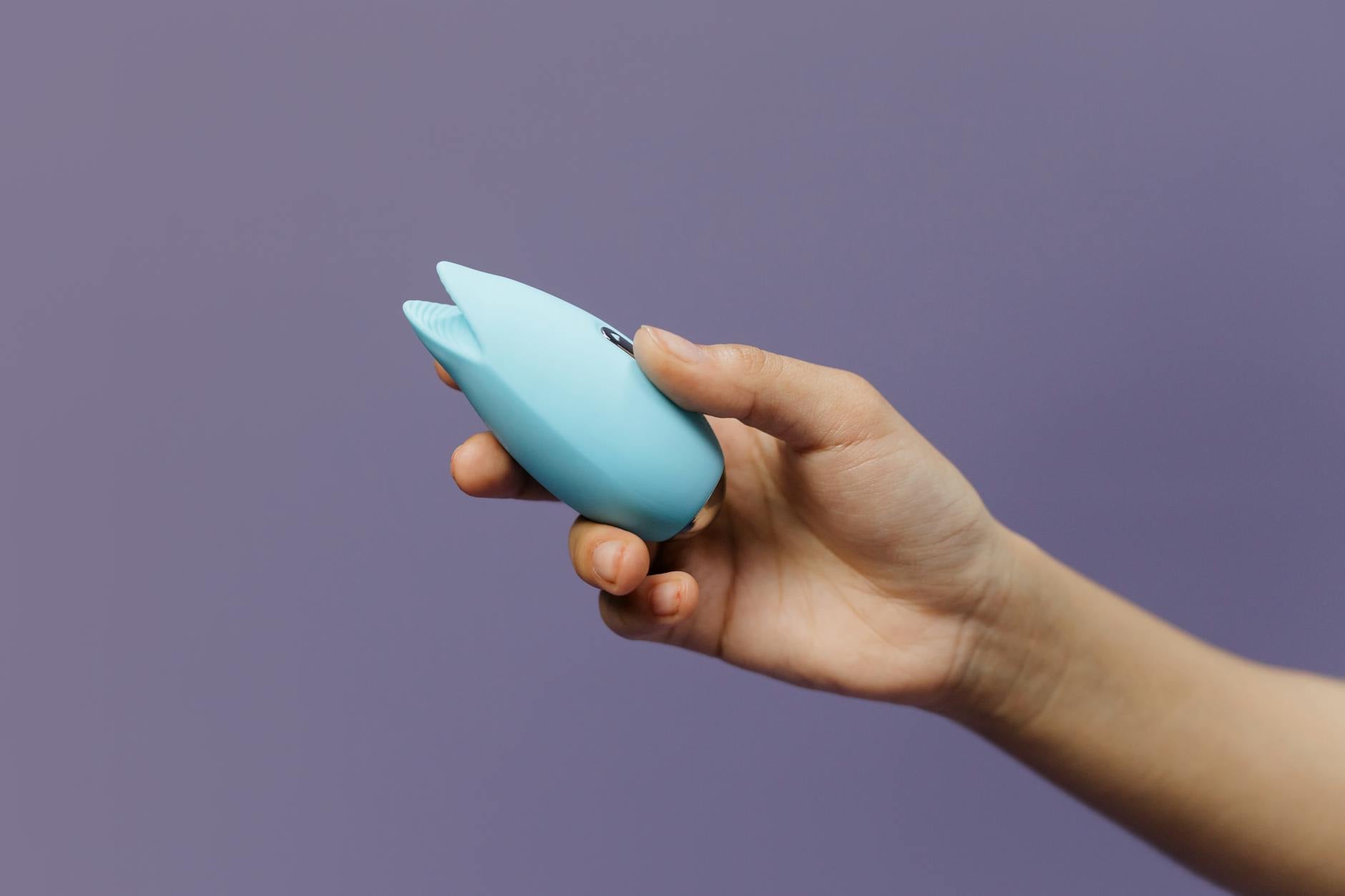
Here's the thing nobody mentions when they're selling you lemon vibrators
You can own the Lem, the most sophisticated clitoral vibrator on the market, and still feel almost nothing if your pelvic floor is locked up tight. It's not the toy's fault. It's not your body's fault either. It's just biomechanics. The pelvic floor is a group of muscles that wrap around your genitals, and when they're chronically tense, they literally compress blood vessels and nerves. Sensation gets choked off before it even reaches your brain.
I work with clients every week who discover this the hard way. They spend good money on lemon clitoral vibrators, follow every tutorial, and still can't figure out why orgasm feels distant or why stimulation creates tension instead of pleasure. The answer is almost always pelvic floor tension.
Let me explain what's actually happening, and then show you how to fix it.
What a tight pelvic floor actually does to sensation
Your pelvic floor muscles are supposed to contract and release. During arousal, they contract rhythmically to increase blood flow and intensify sensation. During rest, they relax completely. But when stress, trauma, chronic pain, or years of "holding it together" happen, these muscles get stuck in a half-clenched state. They never fully release.
This chronic tension does three things that sabotage vibrator pleasure:
It restricts blood flow. Arousal depends on blood engorging the clitoral tissues and vaginal structures. When muscles are tight, blood vessels get compressed. The clitoris doesn't swell as much. Sensation stays muted.
It compresses nerve pathways. The pudendal nerve runs through the pelvic floor. When muscles tighten around it, nerve signaling gets dampened. Even the strongest lemon sexual toy vibrations have to push through that compression to register. It's like trying to hear someone whisper through a clenched fist pressed against your ear.
It creates a protective reflex. Tight pelvic floor muscles send a signal to your nervous system that something is threatening. Your body responds by clamping down harder. The harder you try to enjoy stimulation, the more your body resists. It becomes a cycle.
This is why some people report that clitoral vibrators like the Lem feel "numb" or "not strong enough" even at maximum intensity. It's not numbness from repeated use. It's compression from muscle tension.
How you know your pelvic floor is the problem
Here's the honest diagnostic: if you feel the vibrations on the outside but nothing much moving through you, or if you find yourself clenching more as arousal builds instead of releasing, your pelvic floor is likely too tight.
Other signs include pain or pressure during penetration, difficulty relaxing during sex, and a constant sense of tension in the vulva or lower belly. You might also notice that you need higher intensities from your lemon vibrator to feel anything, but higher intensity doesn't feel better. It just feels more intense.
The clinical term for this is hypertonic pelvic floor dysfunction, but what it means in human language is: your muscles are on lockdown.
What pelvic floor relaxation training actually is
This isn't Kegels. Kegels are the opposite. Kegels are squeezing exercises that strengthen the pelvic floor. If your pelvic floor is already too tight, Kegels make it worse.
Relaxation training is about teaching your muscles to release. The most effective method is called reverse Kegels or pelvic floor drops. Here's how it works:
Step one: awareness. Sit or lie down comfortably. Breathe deeply. Imagine your pelvic floor as a bell. When you clench, the bell lifts up. When you release, it drops down. You're learning to feel the difference.
Step two: the exhale drop. Breathe in normally. On the exhale, imagine the bell sinking downward. Don't squeeze on the inhale. Just relax. The key is the release on the exhale, not an active clench in either direction.
Step three: consistency. Do this for five minutes, three to five times a week. Not daily. Your muscles need recovery time, just like any other muscle group.
Many people also benefit from deep breathing that emphasizes the exhale. The vagus nerve (your parasympathetic nervous system) responds to longer exhales. When your nervous system relaxes, your pelvic floor follows.
After two to four weeks of consistent practice, most people feel a noticeable shift. The baseline tension starts to lower. Sexual arousal begins to feel more natural. And here's where lemon vibrators come in: suddenly, the vibrations actually register. They move through you instead of bouncing off compressed muscle.
The relationship between breathing and pelvic floor release
I mention breathing because it's the actual master key here. You can do pelvic floor exercises all day, but if you're a chronic breath-holder, your muscles won't stay relaxed.
When you're stressed or during sex, most people unconsciously hold their breath or take shallow breaths. This keeps your nervous system in fight-or-flight mode, which keeps your pelvic floor clenched. Longer breathing cycles, especially longer exhales, signal your vagus nerve that you're safe. Your whole body relaxes.
So the practice looks like this: during foreplay, before you use your lemon clitoral vibrator, spend two minutes on slow breathing. Inhale for four counts, exhale for six or eight. Let your lower belly expand fully on the inhale and soften on the exhale. This single shift changes everything.
How this transforms your experience with lemon vibrators
Once your pelvic floor is relaxed, the same clitoral vibrator you've been using suddenly works differently. The Lem's suction-based stimulation, which is already designed to work without harsh friction, becomes exponentially more effective because the tissue is actually engorged and the nerves are accessible.
You'll notice:
Orgasms come faster. Without the muscular resistance, arousal builds naturally. The tension-release cycle that creates orgasm can actually happen.
Sensation feels richer. Instead of surface buzzing, you feel the vibrations moving through the tissue. It's deeper and more complex.
You need less intensity. Many people find they can drop from intensity level 4 or 5 down to level 2 or 3 and feel more. That's not the toy getting weaker. That's your nervous system finally receiving the signal.
Pleasure becomes more consistent. Tight pelvic floor tension means arousal is unpredictable. Some days the toy works, some days it doesn't. Once you relax the baseline tension, response becomes steady.
When to bring in professional help
If you've been doing pelvic floor relaxation work for four weeks and nothing has shifted, a pelvic floor physical therapist is worth the investment. They can manually assess your muscles, identify where the tension is actually located, and give you targeted exercises. Some people have regional tension only in certain spots, and a generic breathing practice won't reach it.
Also: if you have a history of sexual trauma, medical trauma, or severe anxiety, your nervous system might need more support than self-directed breathing. A trauma-informed pelvic floor therapist or somatic therapist can help rewire the protective responses that keep muscles locked.
This isn't a failure. It's just using the right tool.
Why this matters more than which toy you buy
Lemon Suckers makes excellent clitoral vibrators. The design matters. But the truth is, the best lemon sexual toy in the world is only as good as the body using it. Your pelvic floor is the actual interface between the toy and your nervous system.
This is why I always tell clients: start with pelvic floor awareness before you start upgrading toys. A $60 lem vibrator with a relaxed pelvic floor will outperform a luxury vibrator with a clenched one every single time.
Relaxation training takes two weeks to notice something, four weeks to feel real change, and eight weeks to establish a new baseline. That's a real timeline. It's not instant. But it's also the most cost-effective upgrade you can make to your pleasure, and it works with every toy you own.
FAQ: Common questions about pelvic floor and vibrator sensation
Can a tight pelvic floor actually make vibrators feel numb?
Yes. It's not true numbness, but compression numbness. The vibrations are reaching your body, but tight muscles are dampening the signal before it reaches your nerves. Relaxation training restores full sensation. Check our guide on how to use a lemon vibrator when your pelvic floor is tight for more specific techniques.
How long does it take to feel a difference after starting pelvic floor relaxation?
Most people notice a shift in baseline tension within two to three weeks. Orgasm intensity usually improves within four to six weeks. Full rewiring of protective patterns takes eight to twelve weeks. Consistency matters more than intensity. Five minutes, five times a week beats thirty minutes once a month.
Is pelvic floor relaxation training the same as physical therapy?
Not exactly. Pelvic floor physical therapy is professional assessment and treatment by a licensed therapist. Relaxation training is the self-directed practice version. Physical therapy is deeper and more targeted, especially for people with trauma or severe dysfunction. But relaxation training is the foundation everyone should start with.
Can I use my lemon vibrator while doing relaxation training?
Yes, but timing matters. Use the vibrator after you've done five to ten minutes of relaxation breathing, not before. And focus on sensation, not orgasm. During the first few weeks, the goal is noticing the difference, not chasing a finish line. Once your pelvic floor starts to relax, pleasure will follow naturally.
What if I relax my pelvic floor but still don't feel arousal?
Then the issue isn't the pelvic floor alone. Check in with whether you're fully present, whether your nervous system feels safe with your partner or environment, and whether there are other medical factors (hormones, medication, blood flow). Pelvic floor tension is one piece. Emotional safety, partner dynamics, and physical health are others. We cover this more in our post on how to use a lemon vibrator when starting from zero arousal.
Does everyone have pelvic floor tension?
No. But a surprising number of people do without realizing it. Stress, lack of awareness, and past experiences all contribute. Even if you don't have dysfunction, learning pelvic floor awareness deepens your baseline pleasure. It's worth exploring.
The bottom line
Your pelvic floor is the actual foundation of sexual pleasure. A lemon clitoral vibrator, no matter how well-designed, is only as effective as the muscles around it allow. Tight pelvic floor muscles aren't a character flaw. They're usually a smart, protective response from a nervous system that's been through something.
But they're also reversible. Two to four weeks of consistent, gentle relaxation training can transform how every vibrator feels. You might find you don't need the highest intensity. You might find orgasm comes more easily. You might feel sensation in places you'd almost forgotten were there.
Start with breathing. Stay with it. Then notice what changes.
Want deeper guidance on building intimacy after pelvic floor work? Check out our resource on how to use a lemon vibrator for couples foreplay and building intimacy. And if you have questions about your own experience, we're here to help.