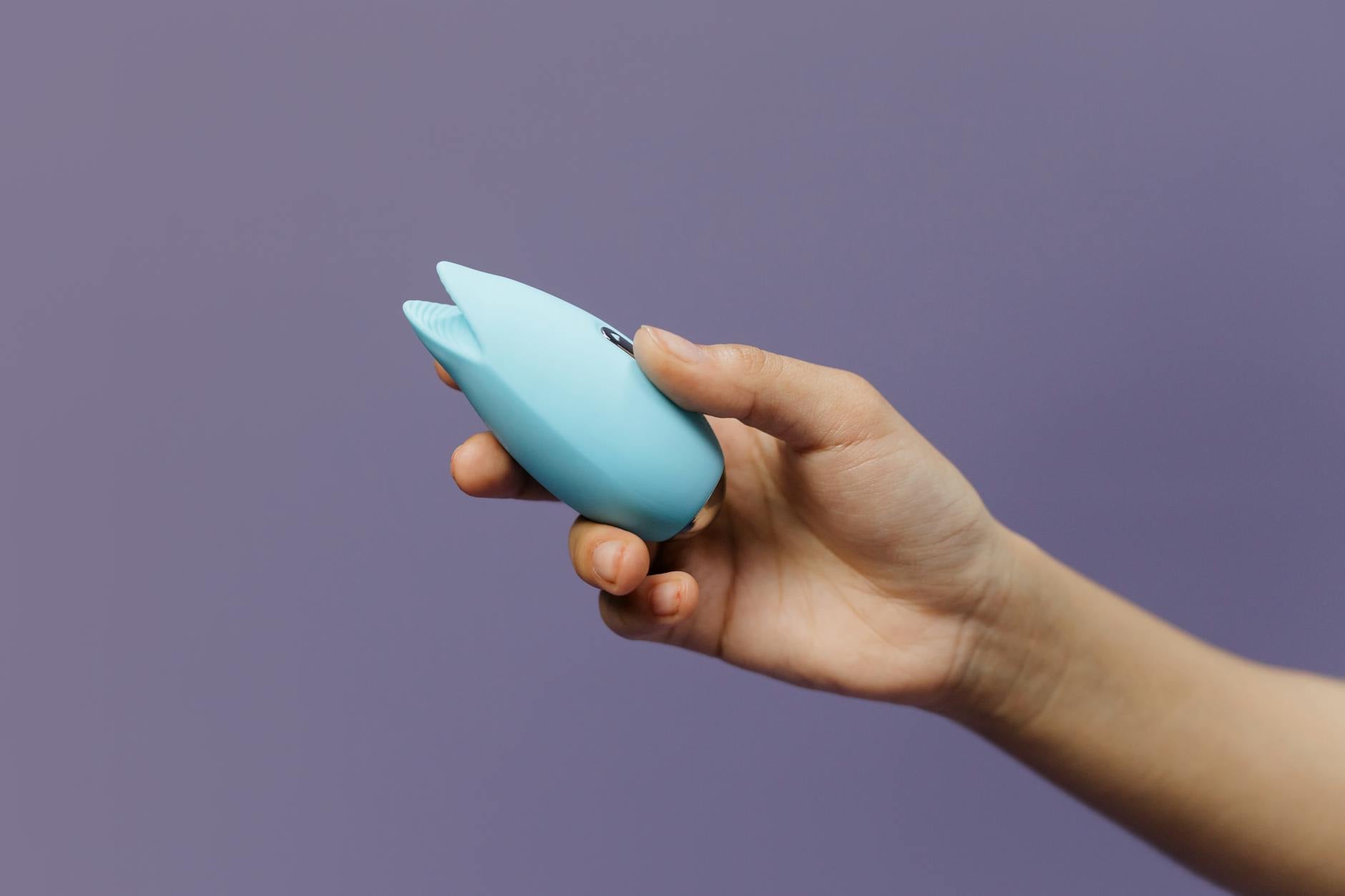
Why Lemon Vibrators Work Better for Sensitive Skin
If you've ever had a reaction to a toy—itching, irritation, or that raw feeling that lingers for hours—you already know the problem. Most vibrators on the market are made from materials that shouldn't be inside your body. And if your skin is sensitive, reactive, or prone to yeast infections, the wrong toy can turn what should be pleasure into a three-day ordeal.
Here's the thing: lemon vibrators, specifically those made from medical-grade silicone, actually solve this. Not as a marketing angle. As a material choice that genuinely reduces friction, doesn't harbor bacteria, and plays nice with your microbiome.
What makes silicone different from everything else
Most cheap vibrators are made from jelly rubber, PVC, or TPE (thermoplastic elastomer). These materials are porous. That means bacteria and fungi can live inside them, even after you wash them. They also degrade over time, breaking down into particles that your body responds to with inflammation.
Medical-grade silicone is non-porous. Bacteria can't nest in it. It doesn't leach chemicals. It doesn't degrade. A silicone toy from 2010 will feel exactly the same as it does today.
For people with sensitive skin, this difference is enormous. You're not introducing a microscopic ecosystem of microorganisms into your body every time you use it. You're not triggering an immune response to degrading plastics. You're just using a toy.
Why lemon-shaped matters (more than you'd think)
The shape of a lemon vibrator is actually functional, not just cute. Lemon clitoral vibrators tend to be smaller and rounder than wand vibrators, which means they distribute pressure more evenly across delicate tissue. That even pressure matters when your skin is already reactive.
Wand vibrators, particularly the powerful ones, can concentrate vibration in a small area. If your skin is sensitive, that intensity can feel like irritation even when the toy itself is body-safe. The lemon shape spreads the sensation out, which most people with sensitive skin report as more comfortable.
It's also why the lemon design has become so popular for people exploring toys for the first time. The gentle approach feels less intense, which is exactly what sensitive skin needs.
The phthalate problem (and why it matters)
Phthalates are chemicals added to plastics to make them soft and flexible. They're banned in children's toys in most countries because they interfere with hormone development. But they're still legal in adult sex toys in many places, particularly in toys sold through unregulated online retailers.
If you have sensitive skin, phthalates are a direct irritant. They leach out of the toy over time, particularly in warm, moist environments—which is exactly what the inside of your body provides. The irritation feels like an allergic reaction, but it's actually chemical exposure.
Medical-grade silicone doesn't contain phthalates. Full stop. That's one of the standards of medical-grade certification.
Latex allergies and cross-reactions
If you have a latex allergy, you already know the hypervigilance of checking every toy for hidden latex content. Some vibrators have latex in the wiring or the motor casing, even if the outer layer is silicone.
Reputable lemon vibrator manufacturers specifically manufacture without latex anywhere in the device. Not just the outside. Nowhere. That means no cross-reaction, no mystery itching two hours after you use it.
If you've had allergic reactions to toys in the past and you're not sure whether it's a latex allergy or something else, a certified latex-free lemon vibrator is the safest starting point.
How to test if a toy is truly body-safe
Honestly, the easiest shortcut is to buy from manufacturers who transparently list materials and certifications. Read reviews from other people with sensitive skin. If 30 reviews mention itching or irritation, that's data.
If you're buying from an unfamiliar brand, look for these markers:
Material transparency. The brand should say "medical-grade silicone" explicitly, not just "silicone" or "hypoallergenic" (which is marketing nonsense and not legally defined).
Certification or testing. Some manufacturers send their toys to third-party labs. It costs money, so only serious brands do it. If you see evidence of testing, that's a green flag.
A clear return policy for reactions. If a brand is confident their toy is body-safe, they'll stand behind it if you have a reaction.
No strong chemical smell. Medical-grade silicone has almost no smell. If your toy smells plasticky or chemical, that's a sign it's not high-quality silicone.
Cleaning and maintenance for reactive skin
Even with a body-safe toy, how you clean it matters if your skin is sensitive.
Hot water and mild soap are honestly fine. Don't use antibacterial soap, which is overkill and can disrupt your natural flora. Regular dish soap works. Dry it completely with a lint-free cloth before storing, because moisture sitting on silicone is a breeding ground for anything that does manage to get onto the surface.
If you want to go deeper, boiling silicone toys for five minutes is safe and kills everything. Just let it cool before touching it.
Store it somewhere cool and dry, away from direct sunlight. Silicone doesn't degrade from light, but heat can soften it over time.
Avoid silicone-based lubricants with silicone toys, because they can cause surface degradation over long periods. Stick to water-based or oil-based lubes. Water-based is safest if you have yeast infection sensitivity.
Lube choices matter as much as the toy
You can have the most body-safe lemon vibrator on earth, but if you pair it with irritating lube, you're going to have a problem.
Conventional lubes often contain glycerin (which can trigger yeast infections in sensitive people), parabens (preservatives that some people react to), and fragrance (which has no business being anywhere near your vulva).
Look for lubes labeled "paraben-free" and "glycerin-free" if you're prone to infections. Hyaluronic acid-based lubes are generally gentler than glycerin-based ones. Some people with very reactive skin prefer pure aloe vera gel or coconut oil, though coconut oil can damage latex condoms if you're using them.
Test the lube on a small patch of arm skin first if you're really reactive. Your arm's skin is more forgiving than your vulva, so if you react there, you definitely will down there.
When to see a doctor about persistent irritation
If you've switched to a body-safe lemon vibrator, chosen gentle lube, and you're still having reactions, the issue might not be the toy.
Yeast infections, bacterial vaginosis, and vulvodynia can all feel like a reaction to a toy. The difference is that they don't go away in 24 hours. If itching or irritation lasts more than a day or two, or if there's discharge or unusual smell, schedule a gynecology appointment before you assume it's the toy.
Your doctor can rule out infection and give you specific guidance on what material and what stimulation your skin can handle.
FAQ
Can I use a lemon vibrator if I have an IUD?
Yes. Silicone vibrators pose no risk to IUDs. The vibration doesn't affect the device, and the toy won't dislodge it. Just make sure you're not applying pressure directly to the area where the IUD strings are, which is easy to do—most people don't know exactly where the strings are anyway. If you're concerned, use your fingers to feel where the strings are before you use the toy.
Do lemon vibrators last longer than other types?
Medical-grade silicone lasts essentially forever if you care for it properly. You won't wear it out through use. You might eventually get tired of it aesthetically or want to try something different, but the toy itself won't degrade. That's different from cheaper vibrators, which can feel sticky or degraded after 6-12 months of regular use.
Is medical-grade silicone more expensive?
Yes, but the lifespan math works out. A cheap toy you replace every year costs more over five years than a single good toy you use indefinitely. Plus, you're not paying with irritation and trips to the doctor.
Can I take a lemon vibrator in the shower or bath?
If it's genuinely medical-grade silicone and the motor housing is sealed correctly, yes. Check the manufacturer's specs first. Some toys are splash-resistant but not waterproof. Water exposure over time can degrade the electrical components, so don't leave it sitting in water.
What if I react to silicone?
It's rare, but silicone allergies do exist. If you've reacted to medical-grade silicone and you're sure it's not something else (lube, latex cross-contamination), glass or stainless steel toys are the next step. They're non-porous, inert, and hypoallergenic. They're also heavy and cold, which some people love and others find uncomfortable.
Is the difference between a lemon vibrator and other shapes significant for sensitive skin?
The material matters more than the shape. A well-made silicone wand is safer than a poorly made silicone lemon vibrator. That said, lemon-shaped and smaller vibrators do tend to be gentler because they distribute pressure more evenly, which is a real advantage if your skin is reactive.
The bottom line
If you have sensitive skin and you've had bad experiences with vibrators, it's almost certainly not you. It's the toy. Switching to a medical-grade silicone lemon vibrator, paired with gentle lube and proper care, solves the problem for most people.
Your pleasure matters, and you shouldn't have to choose between that and your comfort. Start with something genuinely body-safe, test it conservatively, and give your skin a chance to adjust. You'll probably be surprised at how different the experience feels when there's no irritation in the way.