Here's the thing about switching partners
Your body doesn't just forget your last lover. It carries muscle memory, rhythm patterns, and emotional anchors that are wildly specific to that relationship. When you introduce a new partner (or rediscover solo pleasure with fresh intention), your lemon vibrator suddenly feels different. Not broken. Different. And that's actually important information.
I've worked with hundreds of people navigating new relationships, and the most common question I hear isn't "Is this normal?" It's "Why doesn't my clitoral vibrator feel as good as it did before?" The answer isn't physiological failure. It's that your nervous system is recalibrating.
The neuroscience of pleasure memory
Your brain doesn't compartmentalize pleasure. It encodes the entire experience: the touch, the voice, the timing, the emotional safety, even the room temperature. When you use a lemon vibrator with a partner, you're encoding all of that together. The vibration becomes fused with their presence.
When that partner changes, your clitoris hasn't changed, but your context has. Your nervous system is essentially asking, "Who is this person? Is it safe to relax here?" That question happens below conscious thought, but it absolutely affects arousal.
Research on sexual response shows that emotional safety is the primary regulator of how quickly someone becomes aroused and how intensely they respond. It's not enthusiasm or attraction alone. It's whether your body perceives a green light to surrender control. A new partner means your nervous system is relearning that permission.
What actually shifts when you switch
Four concrete things I see happen:
Pace and rhythm feel off. Your last partner developed a specific timing with you. Maybe they'd use your vibrator at a certain speed, or wait a certain number of minutes before introducing it. Your body learned that rhythm and started to anticipate it. A new partner has a different rhythm, and your body needs weeks or months to build that new pattern. Your lemon vibrator hasn't changed. The sequence has.
Intensity feels too strong or too weak. This often has nothing to do with the vibrator's actual settings. When you're uncertain about a partner or haven't established deep trust, you naturally tense your pelvic floor. That tension makes vibration feel sharper, more penetrating, sometimes overwhelming. Once trust builds, that same vibrator on the same setting feels luxurious instead of jarring.
Orgasms take longer to build or feel less satisfying. If your last partner understood your body deeply, they knew exactly when to adjust speed or pressure. A new partner is learning. That learning curve is real, and it means you're spending energy explaining or managing expectations instead of surrendering to sensation. Clitoral vibrators require surrender to work best.
You lose the ability to zone out. This is huge and often misunderstood. With a long-term partner, your brain eventually stops needing to monitor threat. You can dissociate into pure sensation. With someone new, part of your attention stays locked on reading their face, their energy, whether they're bored or judgmental. That divided attention dramatically reduces pleasure intensity.
Why your body is actually being smart
That recalibration isn't a bug. It's a feature. Your nervous system is protecting you.
When you're building intimacy with someone new, your body is running a constant background check. It's asking: Is this person reliable? Do they respect my boundaries? Can I trust them to be present with me? Those questions need answering before your nervous system fully relaxes. And your nervous system is wisely refusing to relax until they are.
This is why rushing into full-intensity pleasure with a new partner often feels disappointing. You're not ready yet, even if you think you are emotionally.
How to rebuild pleasure with a new partner
Start with lower intensity than you think you need. If you were using your lemon vibrator on patterns 5 and 6 with your last partner, start at 2 or 3 with your new one. This sounds counterintuitive, but lower intensity forces your nervous system to relax instead of brace. Once your body trusts the space, intensity becomes optional.
Solo first, partner second. Spend 2-3 weeks reacquainting yourself with your own pleasure without a partner present. This grounds you in your own arousal instead of mirroring someone else's energy. When you finally bring a partner into the experience, you're not asking your clitoral vibrator to do all the emotional work.
Talk about rhythm and pacing before you start. Not during. Tell your new partner: "I like to warm up slowly," or "I respond best to consistent rhythm," or "I need to check in halfway through." Most new partners are terrified of getting this wrong anyway. Clear guidance is a relief, not a rejection.
Give it time. Real neurological recalibration takes 6 to 12 weeks of consistent, partnered experience. You can't rush this. Your body is being protective, and that's worth respecting. The intensity you felt in your last relationship will build again. It's just not instant.

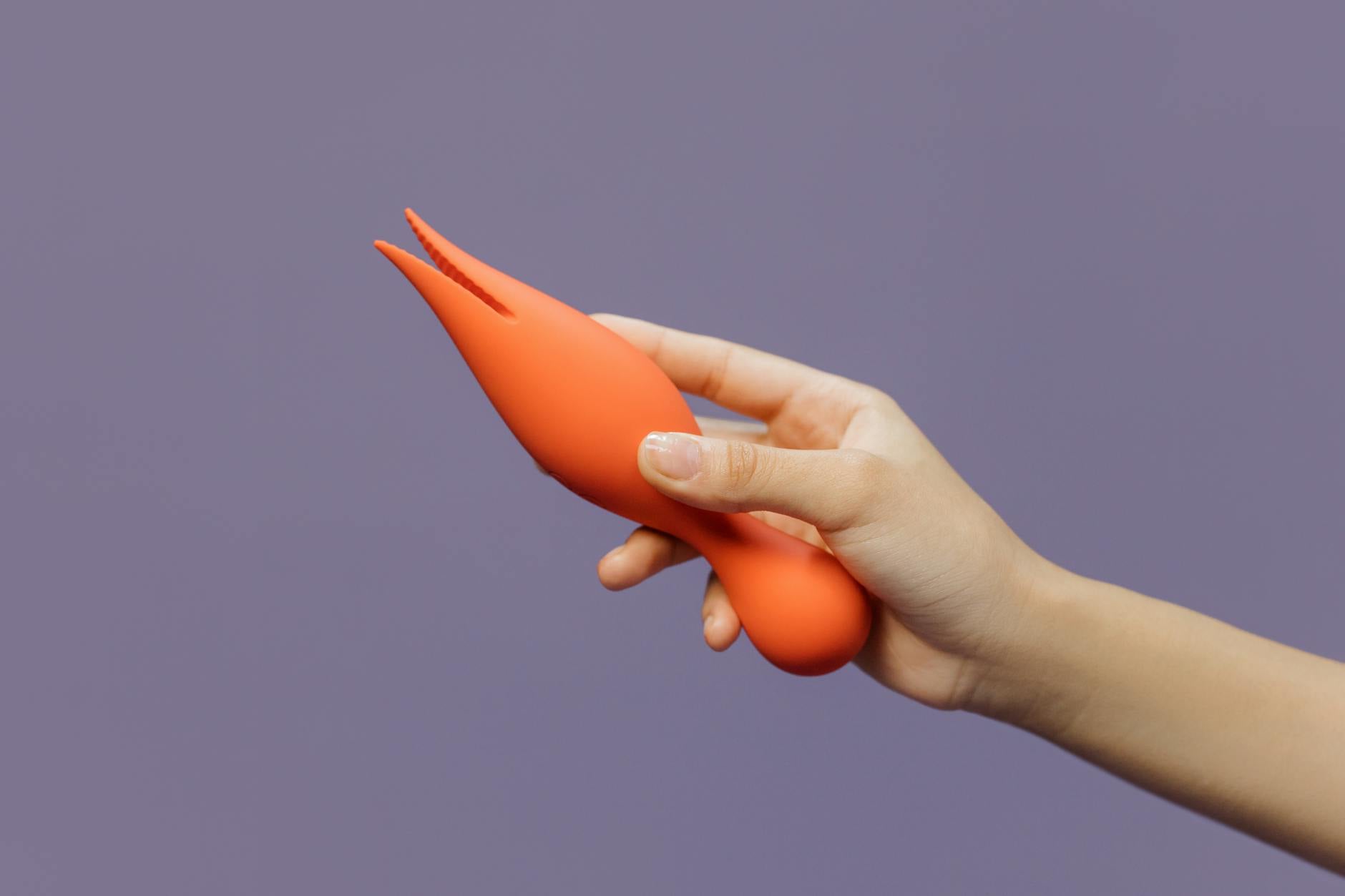
Photo by Ihsan Adityawarman on Pexels
The emotional layer people miss
Honestly, the physical changes are often the easiest part to fix. The harder work is emotional.
If your last relationship ended badly, your body is grieving. You might intellectually know you're ready for someone new, but your nervous system is remembering the pain and bracing against it. That bracing makes everything feel muted. Your lemon vibrator works fine. Your capacity to feel isn't damaged. You're just not available to sensation because part of you is still protecting a wound.
That's not a reason to avoid pleasure. It's a reason to be gentle with the timeline. Some people benefit from working with a therapist during this transition. Others need a few months of solo pleasure exploration to rebuild self-trust. There's no universal timeline, and there's no "right" way to do this.
What matters is honoring where you actually are, not where you think you should be.
Why lemon clitoral vibrators make this more obvious
Here's something specific to air-suction devices like our lemon vibrator: they require more nervous system regulation than traditional vibrators. They're not just buzzing. They're gently suctioning, and that creates a different kind of sustained pleasure that demands deeper relaxation.
If you're used to internal or broad vibration, the transition to a lemon sucker with a new partner can feel extra jarring because the device itself asks more of your nervous system. You can't zone out or tense through it. You have to be present and settled. This is why so many people report that their lemon clitoral vibrator "feels different" after switching partners. The device is exposing exactly where your nervous system is holding tension.
That's useful data, not failure.
When to worry and when to wait
If pleasure is muted for 2-3 weeks, that's normal recalibration. If it's still completely absent after 12 weeks of consistent, partnered exploration, that's worth investigating. Sometimes it points to unhealed grief. Sometimes it means you need to have a harder conversation with your partner about whether this relationship actually feels safe.
Trust your body on this one. If your lemon vibrator still doesn't feel good, it's not because the device is broken. It's because something in your nervous system hasn't recovered yet. That's information worth listening to.
The path forward
Your pleasure doesn't belong to your last partner. It's yours. And yes, when you switch partners, you have to rebuild some of that muscle memory. Yes, your lemon vibrator will feel different for a while. Yes, that's annoying.
But it's also temporary. Your body's capacity for sensation and satisfaction is still intact. You're just in the in-between phase where the nervous system is learning a new dance.
Give yourself grace. Start slow. Talk to your partner. Use what works and explore what might feel different after hormonal changes if you've experienced any of those shifts. And trust that the intensity you're missing will return once your body believes it's safe to surrender again.
Your pleasure matters. The rebuilding takes time. Both of those things are true.
People also ask
Why does my lemon vibrator feel less intense with my new partner?
Intensity isn't just physical. When you're uncertain about a partner, your pelvic floor naturally tenses, which makes vibration feel sharper or less pleasurable. Deep trust allows your muscles to relax, which changes how the same vibrator feels on your body. Give the nervous system time to learn that this new person is safe.
How long does it take for pleasure to feel normal again after switching partners?
Most people experience noticeable shifts within 6 to 12 weeks of consistent, regular exploration together. That said, emotional trauma or grief can extend that timeline significantly. Solo exploration during this period can speed up the process of reconnecting with your own arousal.
Can I use a lemon clitoral vibrator differently with a new partner to make it feel better?
Absolutely. Start at lower intensity levels than you used before. Focus on consistency and rhythm rather than switching patterns frequently. Take longer warm-up time. And consider using your lemon sucker solo first to ground yourself in your own pleasure before bringing a partner into the experience.
Is it normal to need different vibrator settings with a new partner?
Yes. Different partners create different rhythms, different emotional contexts, and different nervous system states. You might genuinely need lower intensity with a new partner not because your body has changed, but because you're more present and less defended. That's actually progress.
Should I tell my new partner that my pleasure feels different?
Yes, but frame it as exploration, not criticism. Try something like, "I'm still figuring out what works best for me right now," instead of, "This doesn't feel like it used to." Your new partner likely wants to understand your body. Honesty builds trust faster than pretending everything is the same as before.
What if pleasure doesn't return after several months with my new partner?
That's worth investigating. It might point to unresolved grief from your last relationship, relationship safety concerns with your current partner, or other factors like stress or hormonal changes. Consider talking with a therapist or exploring how anxiety affects your pleasure response. Sometimes the body knows something your mind hasn't accepted yet.