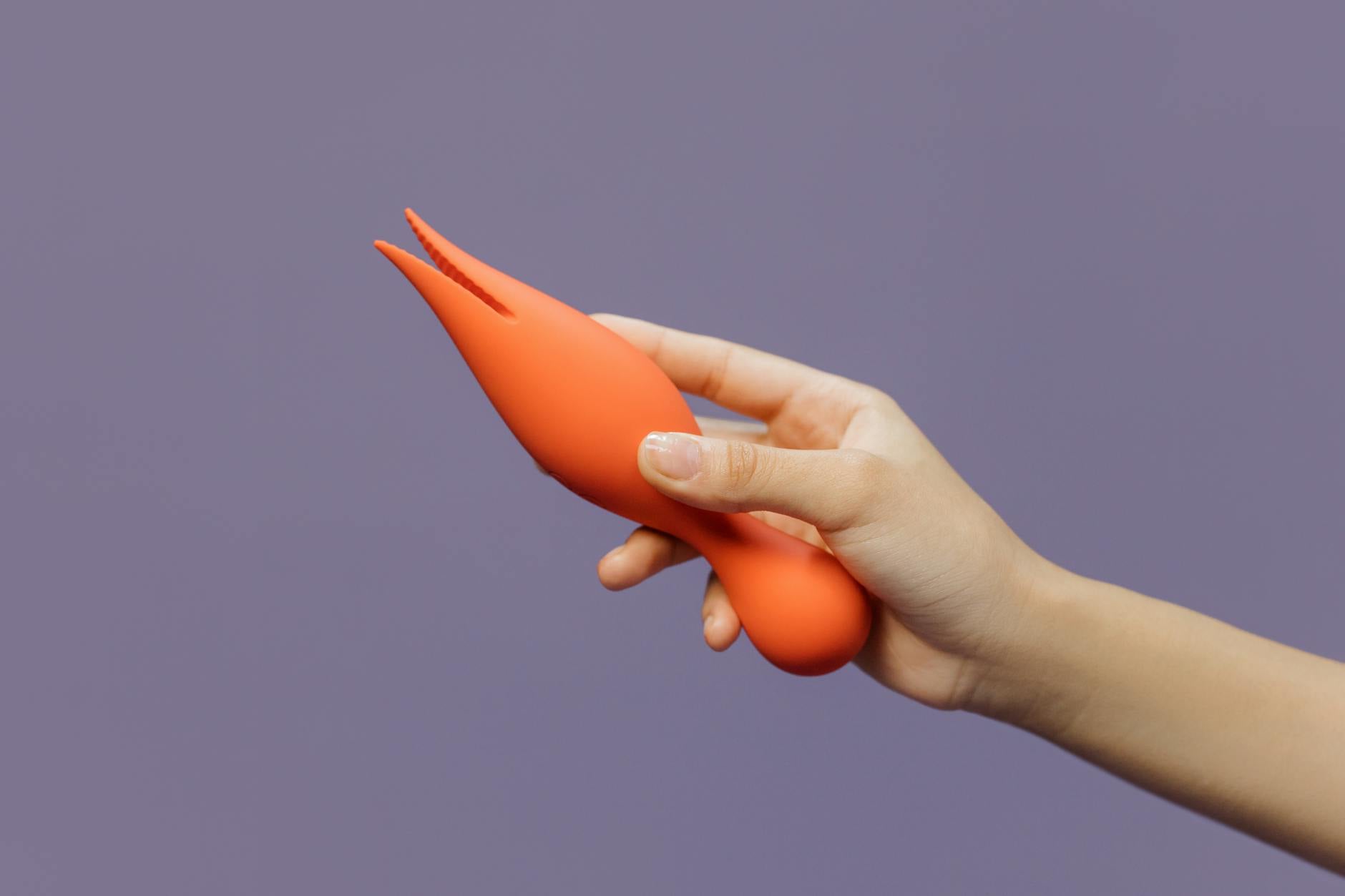
Here's the thing about lemon vibrators in couples' sex
They're not threatening. They're actually the opposite. But lots of people believe otherwise, and that belief alone can tank the whole experience before it starts. Let me explain why that's backwards, and what actually happens when couples introduce a lemon clitoral vibrator into their intimate life together.
I work with couples constantly on this. The conversation usually starts the same way. One partner wants to bring a toy into the bedroom. The other partner hears "you're not enough," even though that's almost never what's being said. Then they argue about nothing, because the real conversation hasn't happened yet.
Why lemon vibrators actually improve sex for couples
Let's start with the evidence. When I ask couples who've integrated clitoral vibrators into their partnered sex what changed, I hear three things consistently.
First: orgasms become easier and faster. That matters more than people admit. If one partner takes 20 minutes to orgasm through penetration alone, and both partners know this, there's ambient tension in the room. Someone's getting tired. Someone's worried about their performance. A lemon vibrator removes that friction. Now both partners can relax.
Second: the dynamic shifts from pressure to play. When you're working to get someone to orgasm, there's a performance element on both sides. Adding a toy reframes the whole thing as exploration rather than obligation. That's a massive psychological shift.
Third: it actually teaches partners about each other's bodies. Using a vibrator together isn't less intimate. It's a conversation. "Does that feel good right now? What about this pattern? Faster or softer?" You learn things in 10 minutes that take months to discover through trial and error alone.
The conversation you need to have first
Okay so this is the part that determines whether this actually works or becomes a source of resentment.
Don't introduce the toy during sex. Have the conversation before, when you're both clothed and calm. The tone matters enormously. Lead with curiosity, not demand. "I've been thinking about trying something together. Would you be open to exploring a clitoral vibrator in our sex life?" is very different from "I need a toy because you're not getting me there."
Then shut up. Let them respond. If they're hesitant, that's real information. Don't steamroll it with logic. Ask what they're worried about. Often it's one of these:
"I worry I'll feel replaced." This means they need reassurance about their importance. Say it clearly: "I want this because I want us both to feel better. Your hands, your mouth, your body all matter. This is addition, not replacement."
"I don't know how to use it." This is actually the easiest objection. You can learn together. Let them hold it, play with the patterns, see how it feels in their hand before anyone's vulnerable.
"I'm worried about the noise." Legit. Some lemon vibrators are quiet, some aren't. If noise is an issue, get one designed for discretion. Your partner's comfort matters more than which model you picked.
"I don't think I need one." Okay. Maybe they don't. Some people have always orgasmed easily. That's fine. But even if they don't use it on themselves, they might enjoy using it on a partner. Frame it that way instead.
How to actually use one together without it feeling awkward
Start slow. You don't need to have built some huge fantasy in your head about how this goes. In reality, the first time is usually clumsy. Someone's hand is in the way. The angle is weird. It needs lube. You both laugh. That's actually the right energy.
Here's what tends to work: Start with your regular foreplay. When arousal is building and you're both enjoying what's happening, introduce the vibrator. Have your partner try it on themselves first while you're kissing or touching them. They learn how it feels in their own hand. This is less pressure than asking a partner to wield it "correctly."
When they're comfortable, ask if you can take a turn. Use it together for a bit. Different patterns, different pressure. The goal isn't a specific outcome right now. It's learning.
Over time, you might notice when a vibrator actually helps. Maybe it's the 20-minute mark when energy is dipping. Maybe it's during penetration. Maybe your partner loves it during oral sex and it amplifies everything. You discover this through experience, not planning.
One thing I always tell couples: the vibrator should enhance what you're already doing, not replace it. If you were using your hands or mouth, keep doing that too. The lemon vibrator is an addition. Think of it like seasoning on food, not the whole meal.
What lemon vibrators offer that other toys don't
There are lots of clitoral vibrators out there. Lemon vibrators specifically have a few traits that couples tend to appreciate.
They're typically quieter than wand vibrators, which matters if you share a home or live with roommates. They're also usually smaller and more ergonomic, which means your partner's hands don't get tired holding it. And they often have broader, gentler stimulation patterns than bullet vibrators, which can feel less intense if someone's nervous about toys.
If you're choosing your first lemon clitoral vibrator as a couple, smaller and quieter is usually the smarter move. The Lem vibrator is designed with this in mind. It's discreet, has intuitive controls, and doesn't feel intimidating if your partner's never used anything before.
Common mistakes couples make (and how to avoid them)
Mistake one: assuming the toy is just for one partner. Some of the best moments couples have involve both of them using it. Maybe you hold it while your partner holds your hand. Maybe you take turns. Maybe one partner enjoys the sensation while the other enjoys watching. Different isn't less intimate.
Mistake two: forgetting about communication. The vibrator doesn't change the fact that you still need to check in. "Is this still feeling good?" "Should I adjust anything?" This applies especially if your partner's never used a toy before. They might not know that what they're feeling isn't always comfortable, and they might wait too long to say something.
Mistake three: going straight to intensity. Most people go too fast, too hard, too soon. Start at pattern one. Let the sensation build gradually. Your body might surprise you with how responsive it actually is.
Mistake four: assuming this is a permanent part of your sex life. You don't have to use the lemon vibrator every time. Sometimes it's part of what you do. Sometimes it's not. It's a tool you can pick up or put down based on what you want that day.
When a lemon vibrator actually saves a relationship dynamic
I want to be direct about this because I see it happen a lot. Sometimes a couple is stuck in a pattern where one partner feels guilty about their pleasure, and the other partner feels responsible for delivering it. Everyone's frustrated. No one's happy.
Introducing a toy can actually interrupt that unhelpful dynamic. Suddenly both partners are more relaxed. The pressure's off. And paradoxically, that often leads to better sex, not worse.
I had a client couple last year where the wife struggled to orgasm, and the husband had made it his mission to fix it. He was exhausted. She felt guilty. Sex had become stressful for both of them. We talked through getting a lemon vibrator together. Three months later, they came back and said it felt like a weight had lifted. They actually wanted to have sex again because it wasn't weighted down by obligation anymore.
That's not unusual. That's the actual result most couples see when they approach this the right way.
When to bring it up again if the first try didn't land
Maybe you introduced it and it felt weird. Neither of you were into it. That's fine. Your partner might need time to get used to the idea. Or it just wasn't the right moment. Don't push it.
But also don't let one awkward moment become "we'll never talk about this again." Give it a few months. Try bringing it up again, differently. "I was thinking about what we talked about before. Would you want to try that again, or were you not feeling it?" Sometimes people need to sit with an idea before they're ready.
Or skip it entirely. Not every couple needs a toy. If your partner genuinely doesn't want one, that's okay. The conversation itself has value because now you know where each other stands.
FAQ
Can using a lemon vibrator together actually strengthen emotional intimacy?
Yes, but only if the conversation goes well. If you introduce it as "you're not doing enough for me," it can damage intimacy. If you frame it as "I want us both to feel amazing," and you're genuinely curious about your partner's pleasure, then yes. The vulnerability of introducing something new, and the willingness to learn together, can actually deepen emotional connection. I've seen couples report feeling closer after integrating a vibrator into their sex life because they finally talked openly about pleasure for the first time.
What if my partner says no to using a lemon vibrator?
Respect that. Their boundary is real, and pushing past it will create resentment. But also ask clarifying questions. Is it a hard no forever, or a "not right now"? What's the underlying concern? Sometimes it's something you can address. Sometimes it's just not their thing. Both are valid. Focus on what you can both enjoy instead of fixating on this one avenue.
How do I know if my partner actually likes the vibrator or is just going along with it?
Pay attention to their body and their words. Do they ask to use it again? Do they suggest it during foreplay? Or are you always the one bringing it out? If you're always initiating and they seem tolerant rather than enthusiastic, check in. "I want to make sure you're actually enjoying this. How are you feeling about it?" You might discover they're not into it, or that they'd like to use it differently. This conversation is worth having.
Is it weird if I prefer the vibrator to manual stimulation?
Not even slightly. Different sensations feel different. Sometimes a vibrator feels better than fingers or mouth. That's not a rejection of your partner. It's just a preference. You can have both in your sexual life. In fact, most couples do. The trick is not making it about performance or comparison. "Your mouth feels amazing. Sometimes a vibrator is what my body needs." Clear, honest, no judgment.
Can we use a lemon clitoral vibrator during penetration?
Absolutely. This is actually one of the most popular ways couples use them. It adds sensation for one partner without changing the penetration itself. It takes about 20 seconds to figure out the angle and rhythm. Some couples use it the whole time. Some just use it near the end when someone's getting close to orgasm. Trial and error determines what works for you both.
What if we're nervous about trying anything new in the bedroom?
This is so normal. Start by admitting the nervousness out loud. "I'm a little nervous about this, but I'm curious." That's already better than pretending you're not. Then start very small. You don't need to have a whole production. Maybe you just hold the lemon vibrator during a regular sex session and don't even turn it on the first time. Just having it there, touching it, getting used to the idea. That's enough for session one. You can always do more next time, or decide it's not for you. The goal is removing pressure, not adding it.
Introducing a lemon vibrator into your couples' sex life doesn't have to be complicated. It requires one conversation, some curiosity, and permission to be awkward the first time. After that, it's just another tool in your toolkit. The couples I work with who approach it this way almost always end up in a better place. Not just sexually, but because they finally had the vulnerable conversation about pleasure they should have had years ago.
Ready to explore this with your partner? Start with the conversation. Everything else flows from there. If you want personalized guidance on navigating this transition, reach out to us at /contact. We're here to help couples build better intimacy.