Let's be real about this
A breakup doesn't just mess with your emotions. It rewires your nervous system, your arousal pathways, and yes, how your body responds to pleasure. If you've picked up a lemon vibrator after a split and thought "why does this feel so weird," you're not broken. Your brain is doing exactly what it's supposed to do.
Here's what I see in my practice: people assume their body has betrayed them. They think a lemon clitoral vibrator should feel the same as it always did. When it doesn't, they panic. But what's actually happening is your nervous system is processing an attachment loss. That's information, not failure.
What a breakup does to your pleasure system
Your brain is a prediction machine. When you were with your partner, your nervous system built patterns around their presence, their touch, their rhythm. Those patterns included anticipation, recognition, and a specific flavor of arousal tied to them. When they're gone, your brain is still waiting for those cues.
This shows up in three ways:
1. Arousal takes longer to build. You might feel mentally interested in pleasure, but your body sits there. That's not apathy. That's your nervous system asking for permission to downshift from protective mode into receptive mode. A breakup is a threat in your brain's classification system, even if intellectually you wanted it.
2. The intensity feels different. A lemon vibrator that used to feel pleasurable might feel too sharp, too clinical, or strangely numb. This isn't desensitization. It's dissociation. Your body is half-defending itself from feeling too much while the wound is fresh.
3. Pleasure triggers grief. This one catches people off guard. You're in the middle of solo time with your lemon sexual toy and suddenly you're crying. That's your nervous system releasing grief that was too big to feel while you were in survival mode.
Why the timing of the breakup matters
There's a difference between leaving a relationship and being left. There's a difference between a breakup that was mutual and one that felt like rejection.
If you initiated the split, you might find that pleasure feels easier earlier because you've had time to grieve privately. Your nervous system has been processing the loss in small doses.
If you were left, your body might hold onto arousal differently. You might feel anger as a gateway emotion before pleasure becomes accessible again. Some people find that using lemon clitoral vibrators early post-breakup feels like reclaiming power. Others find it retraumatizing. Both are normal.
The length of the relationship also shifts the timeline. A two-year relationship doesn't just erase from your body's memory. Give yourself permission for this to take months, not weeks.
How to rebuild solo pleasure with lemon vibrators
Here's what actually helps, and I mean this without spiritual padding: you have to renegotiate the relationship between your brain and your body.
Start without the toy. I know this sounds counterintuitive, but picking up a lemon vibrator too soon can actually reinforce the discomfort. Spend a week or two just touching yourself the old-fashioned way. Feel what's available. Notice where tension lives in your body. This isn't about getting off. It's about reintroducing yourself.
Then introduce the toy as a fresh conversation. When you do come back to a lemon sucker or clitoral vibrator, treat it like you're meeting it for the first time. Different person, different body, different season of your life. Don't expect it to trigger the same response it used to. Try lower intensities. Try patterns you've never used. Novelty actually helps rewire arousal because it forces your brain out of the old predictive loop.
Build a container around the experience. This matters more than you'd think. Light some candles. Put on music that isn't connected to your ex. Make your bedroom feel like it belongs to you again, not to "you two." Your nervous system needs environmental permission to shift into pleasure mode.
Practice the pause. If arousal stalls out halfway through, don't force it. Put the lemon vibrator down. Breathe. Notice what emotion is underneath. Sometimes it's grief. Sometimes it's guilt (yes, even when you wanted the breakup). Sit with it for 30 seconds. Then decide if you want to continue or stop. Both choices are fine.
The emotional layer no one talks about
Here's where my experience as a relationship therapist comes in. Many people experience profound guilt after a breakup when pleasure comes back. They think "if I'm enjoying myself again, maybe I didn't love them as much as I thought." That's your nervous system confusing recovery with betrayal.
Reclaiming pleasure is not a betrayal of your past relationship. It's a sign your nervous system is healing. It's actually a very good sign.
Some people also experience shame around solo pleasure after a breakup. They've internalized the message that they should be suffering, not touching themselves, not looking at lemon sexual toys. This is guilt dressed up as morality, and it's worth examining. You broke up. You're not dead. Your body is allowed to feel good.
If you're in a space where pleasure is triggering panic or intense grief that doesn't ease, that's worth bringing to a therapist. There's no timeline you're failing. Some people need three months. Some need a year.

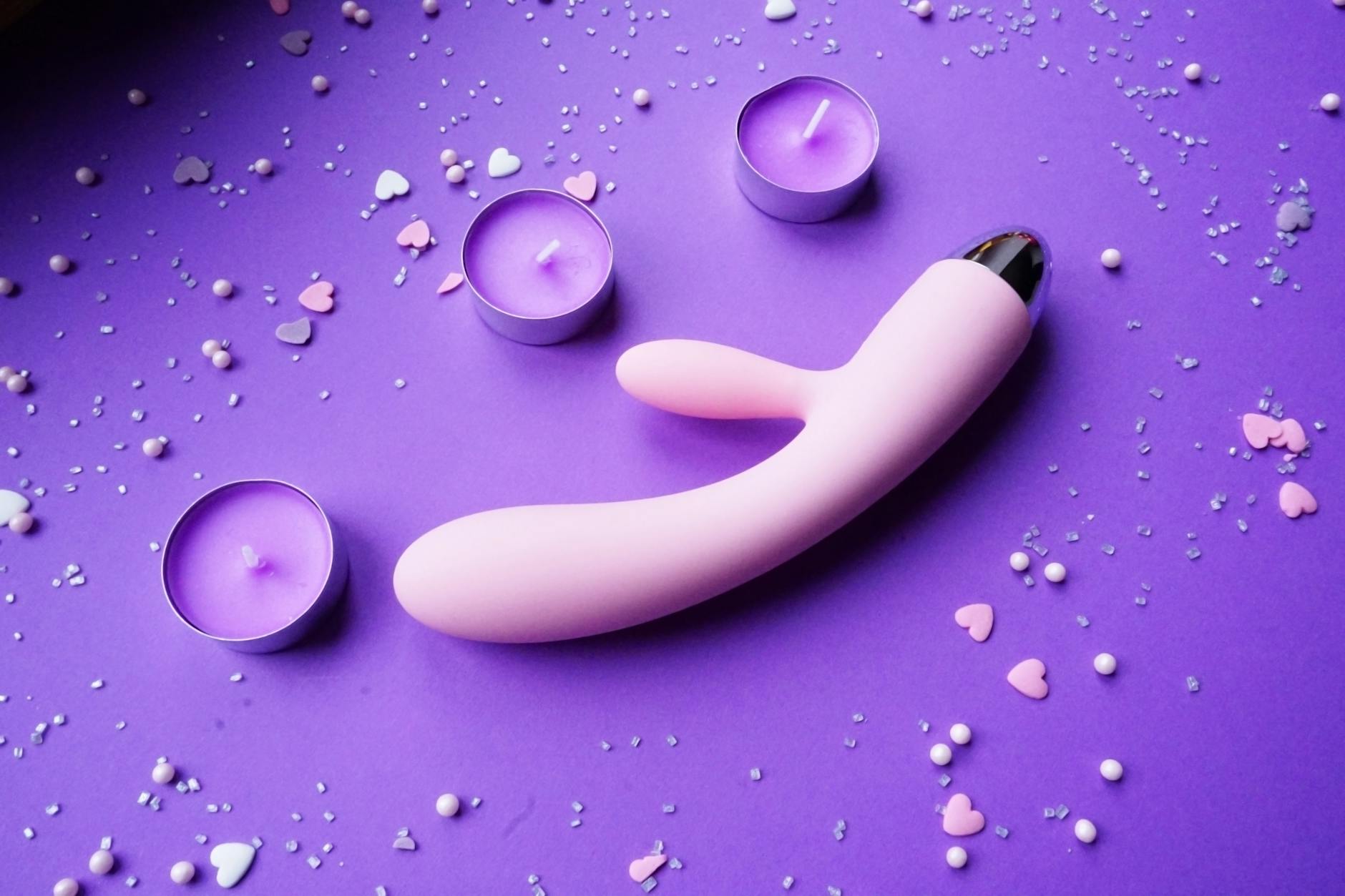
Photo by Madison Inouye on Pexels
Specific patterns that help post-breakup
When you're ready to experiment with lemon vibrators again, these approaches work well for nervous systems in transition.
Start with rhythmic, steady patterns rather than chaotic ones. Your brain is looking for predictability right now. Patterns 1 and 2 on most vibrators. Let the rhythm become meditative rather than goal-oriented.
Use longer warm-up sessions. Give your nervous system permission to take 20-30 minutes to shift gears. This isn't lazy. This is nervous system care.
Stop tracking orgasms. I mean it. Post-breakup, many people use orgasm as a metric of "am I okay now." This turns pleasure into performance and ruins the entire point. If an orgasm happens, great. If it doesn't, that's information about where your nervous system is at, not evidence of damage.
Consider combining your lemon clitoral vibrator with other sensations. Temperature changes, different textures, scent. When you're rebuilding arousal pathways, novelty is your friend. It helps your brain form new associations instead of reaching for the old ones.
When to check in with yourself
If it's been three months and pleasure still feels completely inaccessible, that's worth exploring. Not as a failure, but as data. Sometimes what looks like pleasure dysfunction is actually depression or unprocessed trauma.
If using any adult toy triggers panic attacks or dissociation, pause. You don't need to push through that. A good therapist, particularly one trained in somatic therapy, can help your nervous system process the breakup at a deeper level.
If you find yourself using lemon vibrators compulsively, as a way to numb rather than to feel, that's also information. That's your body telling you there's something bigger that needs attention.
Most of the time, though, pleasure comes back. It just takes patience and permission.
FAQ
Why does my lemon vibrator feel numb after my breakup?
Your nervous system is in a protective state. When we experience relationship loss, our body naturally dampens sensation as a survival mechanism. This isn't physical numbness. It's dissociation. Your body is half-defending itself. The good news: this passes with time and gentle re-engagement. If it persists beyond three months, worth checking in with a therapist about depression symptoms.
Is it normal to cry while using a lemon clitoral vibrator after a breakup?
Completely normal. Pleasure and grief live close together in your nervous system. Your body might access sadness through physical sensation before your mind can articulate it. This is actually a sign your nervous system is processing. Let it happen. Tissues nearby.
How long does it take for pleasure to feel normal again?
There's no universal timeline, but most people report a significant shift around the 3-month mark and fuller recovery by 6-9 months. The length of your relationship and the circumstances of the breakup matter. A two-year partnership takes longer to rewire than a six-month one. Be patient with yourself.
Can using a lemon sexual toy too soon after a breakup make things worse?
Not exactly. Using a toy too soon might just feel uncomfortable or ineffective, and you'll learn to wait. But if you're using it to escape or numb out rather than to reconnect, you might reinforce dissociation. The question to ask yourself: am I doing this because I want pleasure, or because I'm trying not to feel something?
Should I tell my next partner about the breakup affecting my pleasure?
Yes, eventually. Not on date one. But when things get physical, honesty helps. "I'm in a healing phase after my last relationship, so my body might take longer to warm up, and I might need to pause sometimes." Most good partners find this information helpful, not alarming. It actually deepens intimacy.
Does experiencing pleasure again mean I'm "over" my breakup?
No. Pleasure and grief exist simultaneously. You can have a full orgasm with a lemon vibrator and still miss your ex. These are separate systems. Pleasure coming back is a sign your nervous system is recovering. That doesn't erase the relationship or the loss.
The path forward
Rebuild slowly. Give your body permission to feel whatever it feels. A lemon sucker or clitoral vibrator is just a tool. The real work is happening in your nervous system, which is learning to trust pleasure again after an attachment rupture.
Your pleasure matters. Your body matters. And yes, even after a breakup, you deserve to feel good. If you want to talk through what's coming up emotionally as you navigate this transition, reach out.