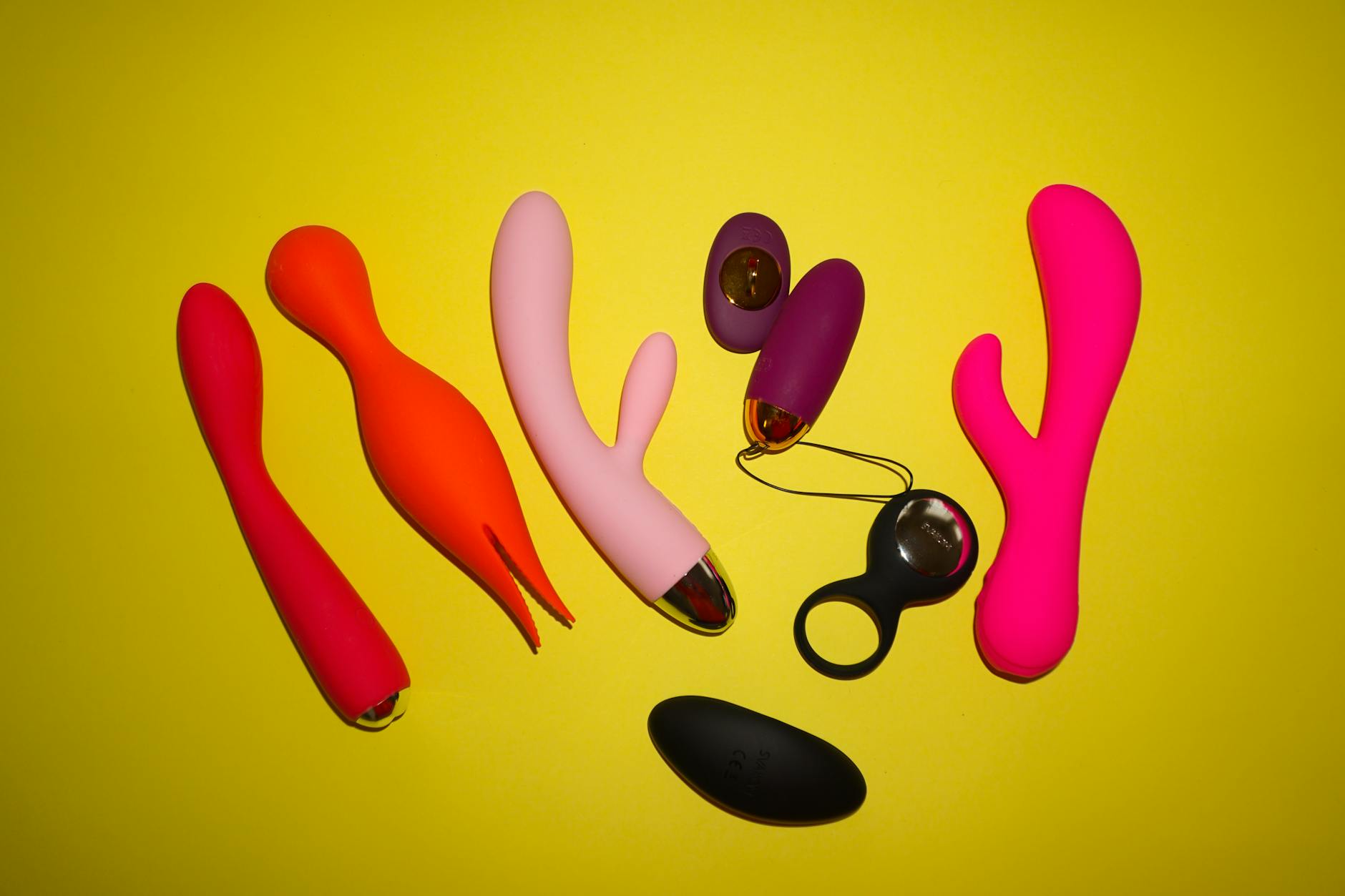
Let's be real about the elephant in the room
You've got a vibrator you love. You know your body, you know what works, and you're not about to pretend otherwise for someone new. But the thought of bringing it up makes your stomach do that familiar flip. Will they feel threatened? Will they think you don't want them? Will it kill the mood before anything even happens?
Here's what I've seen in my practice over twenty years: the awkwardness lives almost entirely in the anticipation. Once you actually say it, most partners feel relieved. Someone who knows what they want is genuinely attractive.
The data plot twist
About 70% of people who use vibrators regularly still don't mention it to new partners until months in, if at all. And of those, most say they regret waiting. The couples who introduce toys early (first month, before things get too intimate) report better communication overall and significantly less resentment down the line. It's not about the vibrator. It's about establishing that you both get to have needs.
The ones who wait until someone finds it in a drawer or walks in on them using it? That's where actual awkwardness lives.
Timing is the entire game
The moment to mention a lemon vibrator is not during sex. It's also not the first conversation you have. It lives in that sweet spot where you're already comfortable, attraction is clear, but you haven't yet built a fragile assumption about who each other is in bed.
For most people, that's around date three or four. After you've kissed, maybe after you've spent a night together. Early enough that it doesn't feel like a confession. Late enough that there's actual warmth between you.
The setting matters too. Not in bed, not in the middle of something. Maybe over wine at your place, or a walk where you're side by side (less eye contact can actually help). Anywhere that feels private but not staged.
How to actually say it
Forget scripts. Forget rehearsing. The best approach is honest and low-key.
"I should probably tell you, I'm really into my vibrator. Like, it's a key part of how I enjoy sex. I wanted to mention it before things go further because I don't want you to be surprised or feel weird about it."
That's it. You've stated a fact, you've shown consideration for their feelings, and you've opened a conversation.
What you're not doing: apologizing, over-explaining, or dressing it up with complicated language. "Clitoral stimulation device" makes it sound clinical and defensive. Vibrator is fine. Lemon vibrator is fine. You're not trying to sell them on the concept. You're telling them something about yourself.
Their response will tell you almost everything. If they light up, ask questions, or say something like "Oh cool, that makes sense," you're fine. If they get quiet or ask defensive questions like "Do you need it to enjoy me?" that's actually useful information, and you get to answer it directly: "No. I need it to enjoy me. And I enjoy you. These aren't the same thing."
What new partners actually worry about (and how to address it)
"Does this mean I'm not enough?"
This one comes up more than you'd think. The answer is true and simple: pleasure is not a zero-sum game. A vibrator isn't replacing your partner. It's adding a sensation your partner literally cannot provide. You wouldn't tell someone they don't need oral sex because penetration exists. This is the same.
"Will I have to use it?"
Some partners worry they'll be expected to operate the vibrator or do something they're uncomfortable with. Be clear: "I actually prefer to use it myself. You're welcome to watch, or we can use it together if that feels good, but there's no pressure and no expectation."
"This seems kinky or weird."
It's not. Millions of people use clitoral vibrators as a regular part of their sex life, alone and with partners. It's as common as lube. If someone thinks a lemon vibrator is unusual, that usually says more about their limited exposure than anything else.
The physical introduction matters
Once you've had the conversation and moved forward, the first time you actually use it with a partner is still a moment. Here's what I recommend:
Start solo if you want to. Use it on yourself the first time while they're present. This removes the performance pressure and lets them see how it works, how you respond, and what pleasure actually looks like on your face. A lot of partners say watching their person use a vibrator with real focus and relaxation is genuinely hot.
If you want them involved from the start, keep it simple. Guide their hand over yours so they understand the pressure and movement. Make it collaborative. You're not handing them a device and expecting them to know what to do with it. You're sharing something.
A note on partners who resist
Sometimes someone will push back. Not a quiet discomfort, but actual resistance. "I don't like the idea," or "It feels wrong to me."
Listen. You get to have that conversation. You get to ask why. You also get to decide if someone who can't handle this basic part of who you are is worth your time. This isn't about being demanding. It's about incompatibility, and incompatibility early is way better than resentment later.
Partners who trust you and respect your pleasure make better long-term partners. It's that straightforward.
Why lemon vibrators work particularly well for new couples
A lemon clitoral vibrator is designed for precision. It doesn't require explanation or complicated positioning. Both of you can see what's happening, which removes a lot of the mystery. The suction sensation is distinct enough to be interesting but intuitive enough that a partner doesn't need a manual to understand it. You're not introducing something that demands a learning curve. You're introducing something that works well and feels good.
That simplicity actually makes the conversation easier. You're not asking them to engage with some elaborate toy. You're saying, "This thing makes me feel really good. I thought you'd want to know."
The conversation after the first time
Once you've used a vibrator together, don't pretend it didn't happen. A quick "That was great, I really liked that" or "Do you have any thoughts?" keeps the door open for ongoing communication. You want a partner who can talk about sex without getting weird. This is your opportunity to establish that.
If it was awkward or uncomfortable, that's fine too. You can say, "I think I got in my head about it. Want to try again?" or "How did that feel for you? What would feel better?" Real communication is vastly unsexy in theory and genuinely erotic in practice.
One practical note
Know your lubricant. If you're using a silicone vibrator, use water-based lube only. Silicone lubes degrade silicone toys. It's not a safety thing, it's just annoying maintenance. Keep lube accessible and matter-of-fact about it. You're not being weird, you're being smart.
The bigger picture
Introducing a lemon vibrator to a new partner isn't actually about the vibrator. It's a test of whether this person respects who you are and what you need. It's an early signal of how you'll communicate about harder things later. And it's your chance to set a standard: you don't disappear into someone else's expectations. You show up as yourself, completely.
Partnersworthy of your time will get this immediately. They'll be curious, they'll be respectful, and they'll be genuinely glad to know you better. And if they're not? You've saved yourself months of performing a version of yourself that doesn't work.
Your pleasure matters. Full stop. And anyone who can't hear that without getting defensive isn't ready for what you have to offer.
People also ask
How do I bring up using a lemon vibrator if we haven't had sex yet?
You don't need to wait. Actually, mentioning it before you've been intimate takes the pressure off entirely. It's a "here's something about me" conversation, not a mid-sex reveal. Something like: "Before we go there, I want you to know I really enjoy using a vibrator during sex. I just didn't want that to be a surprise." It's straightforward and shows you think ahead.
What if my new partner thinks using a vibrator means I'm not satisfied with them?
That's their insecurity talking, and it's worth addressing head-on. Pleasure is not about them or you alone. It's about the combination of sensations, mental state, and environment. A vibrator provides a specific sensation no human can replicate. Using one doesn't diminish what your partner brings. That said, if someone refuses to budge on this after a real conversation, that's a compatibility issue worth noting now.
Should I mention my lemon vibrator before or after the first sexual encounter?
Before is usually better, but after is fine too. The key is not letting them discover it accidentally. If you haven't mentioned it and they're about to find it, you're better off bringing it up proactively. "Hey, so there's something in my nightstand I should tell you about" beats them finding it while looking for a charger.
Can I ask my new partner to use the vibrator on me the first time?
Yes, absolutely. Keep it collaborative. Guide them through it. Show them where, how much pressure, what speed feels good. Don't hand them the vibrator and expect them to figure it out. The first time is about comfort and communication, not performance. Once they understand how it works and you're both relaxed, things flow naturally.
What if they want to use it on me but I prefer using it myself?
That's completely valid. Say so. "I actually like to have control with this one" is enough. You can offer alternatives: "You can watch" or "You can touch me while I use it" or "We can explore that another time when I feel more comfortable." Your boundaries are not negotiable, and any partner worth keeping respects that.
Is it weird to use a clitoral vibrator in front of a new partner?
Not at all. Vulnerability is arousing when it's authentic. Watching your partner focus on their own pleasure, seeing their real response rather than a performed one, is actually hot to most people. It's not weird. It's human. And it builds genuine connection faster than any amount of performance would.
Sources
Gottman Institute research on early communication patterns in couples
American College of Obstetricians and Gynecologists data on vibrator use and sexual satisfaction
Masters and Johnson research on sexual response and partner communication