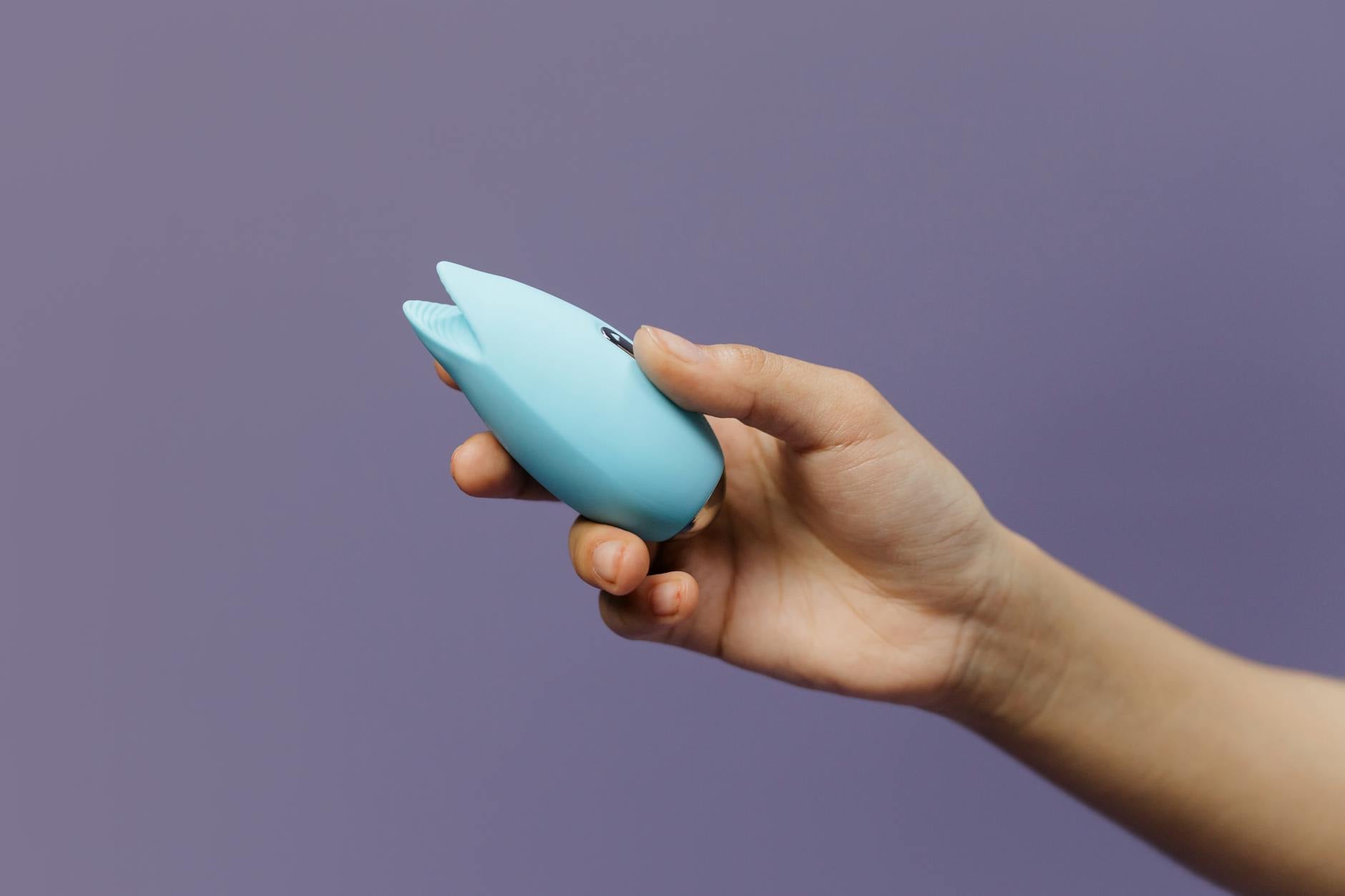
The reality of reduced sensation during recovery
Here's the thing nobody preps you for: when your body is healing or your nervous system is struggling, pleasure often goes flat. Not absent. Flat. Like someone dimmed the brightness on the entire experience.
This happens after surgery, during certain medications, following intense stress, or from pelvic floor dysfunction that numbs sensation instead of tightening it. Your lemon vibrator didn't break. Your body is just working through something, and that matters.
Why sensation drops during recovery
A few reasons this happens. Surgery triggers inflammation in the area, which muffles nerve signals temporarily. Some medications, especially antidepressants and pain relievers, dull sensation as a side effect. Stress and anxiety literally restrict blood flow to the genitals, making everything feel muted. And if you've been told to avoid stimulation, your nervous system can actually recalibrate downward. over time, it expects less input.
The good news is that sensation almost always returns. Not always to exactly where it started. Sometimes better. But the deadness is usually temporary, especially if you approach recovery with patience instead of pushing through.
Start with gentler patterns
When sensation is low, intensity feels abrasive. Most people make the mistake of turning UP the power, thinking a stronger vibration will break through the numbness. It usually just feels harsh instead of pleasurable. Start backward.
Begin with pattern 1 or 2 on your lemon vibrator. These are gentler, rhythmic patterns that don't assault the tissue. The goal right now isn't an orgasm. It's reintroducing your body to sensation in a way that doesn't feel like friction. Patterns beat steady intensity for recovery because they create a rhythm your nervous system can recognize and anticipate.
Spend 2-3 minutes on pattern 1. Pay attention to what you feel, even if it's subtle. Sometimes the smallest sensations matter more during recovery than the big ones.
Lubrication becomes more important
Reduced sensation often happens alongside reduced natural lubrication. During surgery recovery or high stress, your body isn't signaling for lubrication in the normal way. A quality water-based lube changes everything.
Not because lube is a workaround, but because it removes friction that can feel painful when sensation is already muted. Friction without pleasure is just irritation. Add lubrication, and stimulation becomes smooth rather than raw.
Reapply every few minutes. Recovery sessions are about what feels good, not about efficiency or reaching a goal. If you need to pause and add more lube, pause.
Warm up longer than you think you need to
Arousability drops during recovery. Your body isn't primed the way it usually is. Plan for 20-30 minutes of total stimulation time, with the first 10-15 minutes being light exploration rather than goal-oriented pleasure.
Start with the vibrator on pattern 1 or 2, working around the area rather than focusing directly on the clitoris. Side-to-side, upper area, then gradually closer. This gives your nervous system time to wake up without pressure. Blood flow increases gradually. Sensation builds incrementally.
If you're not feeling much after 5 minutes, don't assume it's broken. You might just need another 10. Patience isn't boring here. It's essential.
Position matters more during recovery
When sensation is low, pressure distribution changes the experience significantly. Lying flat on your back with your hips tilted slightly forward (pillow under the sacrum, not under the butt) reduces tension in the pelvic floor and allows better blood flow.
If lying down feels uncomfortable or triggering after surgery, sitting upright with back support works too. Avoid positions that create tension in the legs or lower abdomen. You want your whole pelvic region relaxed, which means thighs uncrossed and lower belly soft.
Some people find side-lying better during recovery. The key is finding what feels secure and non-threatening to your body. Trust your instinct here.
Pacing. Seriously.
Don't use your lemon vibrator daily during recovery unless a healthcare provider specifically cleared it. Three times a week is a reasonable starting point if sensation is low. Your nervous system needs time to integrate the stimulation and rebuild response patterns.
Think of it like physical therapy. You don't do intensive physical therapy every single day. You space sessions out, give your body recovery time between them, and gradually increase intensity. Pleasure recovery follows the same logic.
If you notice pain, numbness worsening, or any concerning changes, stop. These aren't signs of failure. They're information. Talk to your healthcare provider before restarting.
When sensation starts returning
You'll notice it as a small shift. A pattern that felt muted suddenly registers more clearly. A specific area that felt numb develops awareness again. This is the moment to increase very slightly, not dramatically.
Move from pattern 1 to pattern 2 or 3. Extend the session by a few minutes. Add more direct clitoral contact. But do this gradually over weeks, not days. Your nervous system is rewiring. Rushing the process can interrupt it.
Some people find that their sensation actually becomes more refined during recovery. Because they've had to slow down and pay attention, they develop a sensitivity they didn't have before. That's common and valuable.
The mental component
Reduced sensation during recovery is partially physical, but anxiety about reduced sensation makes it worse. If you're worried the numbness is permanent, that worry tightens your pelvic floor and restricts blood flow even further.
Try naming it without judgment. "My body is recovering. Sensation will return." Short, factual. Not "I'm broken" or "This will never work again." The difference in what your nervous system does with those two framings is measurable.
If you have a partner, let them know what you're working through. "I'm using the vibrator to help my body rebuild sensation slowly. It might take a few weeks." A partner who understands the project can make it less lonely and more sustainable.
When to seek help
If sensation hasn't improved after 6-8 weeks of gentle, consistent practice, check in with a pelvic floor physical therapist or your surgeon. Sometimes reduced sensation after surgery needs targeted treatment, not just time. A pelvic floor PT can identify specific nerve involvement or tension that's keeping sensation suppressed.
They can also clear you for more intensity if everything is healing well but you're still being cautious. Sometimes permission matters as much as the physical work.
Your lemon vibrator is a tool for rebuilding pleasure. But rebuilding is a process, not a switch. You're not starting from zero. You're reconnecting to something that's still there, just dormant.
People also ask
Can I use my lemon vibrator immediately after surgery?
Depends on the surgery. Gynecological surgery typically requires 4-6 weeks before any vaginal or external stimulation. Ask your surgeon specifically about external genital stimulation before you assume. Some surgeries have different timelines. Starting too early risks reopening tissue and derailing healing.
Will the numbness go away permanently?
For most people, yes. Sensation usually returns within 2-8 weeks, depending on what caused the reduction. Nerve tissue heals more slowly than other tissue, which is why patience is critical. Some sensation changes might remain permanent if nerves were significantly affected, but most recover fully or nearly fully.
How many times a week should I use my lemon clitoral vibrator during recovery?
Start with two to three times per week, with at least one day between sessions. This gives your nervous system time to process and integrate. As sensation improves, you can increase frequency. Never force daily use during recovery unless specifically cleared by your healthcare provider.
Does a lemon sucker work better than other vibrators during reduced sensation?
The suction-based design of lemon vibrators can actually feel better during reduced sensation because suction distributes stimulation more broadly without sharp, concentrated pressure. That said, what matters most is your own comfort. Some people prefer the steady hum of a simpler vibrator during recovery. Try different patterns on the lowest setting and see what your body responds to.
Why does my lemon vibrator feel painful instead of pleasurable during recovery?
Pain during recovery usually means one of three things: too much intensity too fast, not enough lubrication, or stimulation that's happening too soon post-surgery or post-medication. Back off intensity, add lube, and extend your warm-up time. If pain persists, check in with your healthcare provider or a pelvic floor PT. Pain is information, not something to push through.
Can stress cause reduced sensation, or is it always physical?
Stress absolutely causes reduced sensation. High cortisol levels restrict blood flow to the genitals and suppress arousal hormones. If you're in a stressful period, reduced sensation might be your nervous system's way of saying it needs support. Stress management, sleep, and movement all help. Sometimes addressing the stress is more important than anything else you can do with your vibrator.