
The part nobody talks about
Infidelity doesn't just break trust in your partner. It fractures trust in your own body, your choices, your ability to feel safe in intimacy. When you're rebuilding after betrayal, sex isn't just about physical pleasure anymore. It's about reclaiming agency, testing whether vulnerability is worth the risk, and learning if pleasure can exist alongside caution.
This is hard, specific work. And it's where tools like a lemon clitoral vibrator become genuinely useful—not as a fix, but as a framework for reconnection on your own terms.
Why pleasure matters more after betrayal than you think
I've worked with many couples rebuilding after infidelity. The ones who move through it most effectively aren't the ones who white-knuckle their way back to monogamy through willpower. They're the ones who slowly reclaim pleasure as individuals first, then as partners.
Here's why: when you've been betrayed sexually, your nervous system learns that arousal isn't safe. Your brain associates pleasure with the moment you might be hurt again. Rebuilding intimacy means teaching your body that you can feel good and remain vigilant simultaneously. That you can drop into sensation without dropping your guard entirely.
A lemon vibrator helps with this in a specific way. It's an external tool you control absolutely. You set the pace, the intensity, the moment you stop. That agency matters when your sense of control has been damaged.
The difference between solo and partnered work
Rebuild in phases. Don't skip to partnered pleasure until solo pleasure feels trustworthy again.
Phase one: solo rediscovery (weeks 1-4)
Start alone. Use a lemon clitoral vibrator specifically because it's non-penetrative and puts your pleasure in the foreground. Not as a fantasy stand-in for your partner, but as a conversation between you and your own body. Spend 2-3 sessions just learning the intensity levels again. Notice what patterns feel good. Notice where you're holding tension (guilt, shame, anger all live in the pelvic floor).
This isn't about climaxing. It's about permission. It's about proving to yourself that pleasure doesn't require trust in someone else yet.
Phase two: shared experience with space (weeks 5-8)
Once solo pleasure feels less loaded, try being in the same room while you use a lemon vibrator and your partner is present but not touching. This sounds awkward because it is. That's the point. You're practicing vulnerability in front of them without the intensity of penetration or partnered pressure. Your partner witnesses your pleasure without demanding access to it.
This phase reveals something critical: can you feel desired while maintaining boundaries? Can your partner be present without taking it personally that you need your own tool?
Phase three: collaborative pleasure (weeks 9-12)
Once both of you can sit with shared pleasure without tension, you can invite your partner into the experience. Not as the tool-wielder, but as a witness and participant in conversation. You might direct where you want sensation. You might have them hold you. You might use the lemon vibrator while they're inside you, or nearby, or just touching you somewhere else.
The frame matters enormously. You're not proving your love through sex. You're building mutual pleasure as a way to rebuild trust.
What actually helps during this process
Communication that isn't about blame. Don't use pleasure sessions to renegotiate the betrayal. Those conversations belong in therapy and in calm moments, not during intimacy. When you're using a lemon vibrator with your partner present, the only conversation should be about sensation: "Slower," "More here," "I need a break." That's it.
Honesty about what triggers you. Does a certain position remind you of the betrayal? Does a particular time of day or environment? Tell your partner before you start, not mid-intimacy. Some couples find that using lemon vibrators in a completely new space, or at unexpected times, helps break old neural patterns. Others find that consistent ritual rebuilds safety.
Patience with your arousal. Desire returns unevenly after infidelity. You might feel aroused one moment and flooded with anger the next. This isn't failure. This is your nervous system working correctly. A lemon vibrator lets you separate sensation from emotional state—you can feel aroused while also feeling suspicious, and that's okay. You're rebuilding tolerance for complexity.
Managing your partner's emotions. This is delicate. If your partner struggles with guilt during sex, that's something for them to work on in therapy, not for you to manage through your own pleasure. You're allowed to have pleasure that exists independently of their emotional state. If they can't witness that without making it about their guilt, that's a sign the relationship isn't ready for this phase yet.
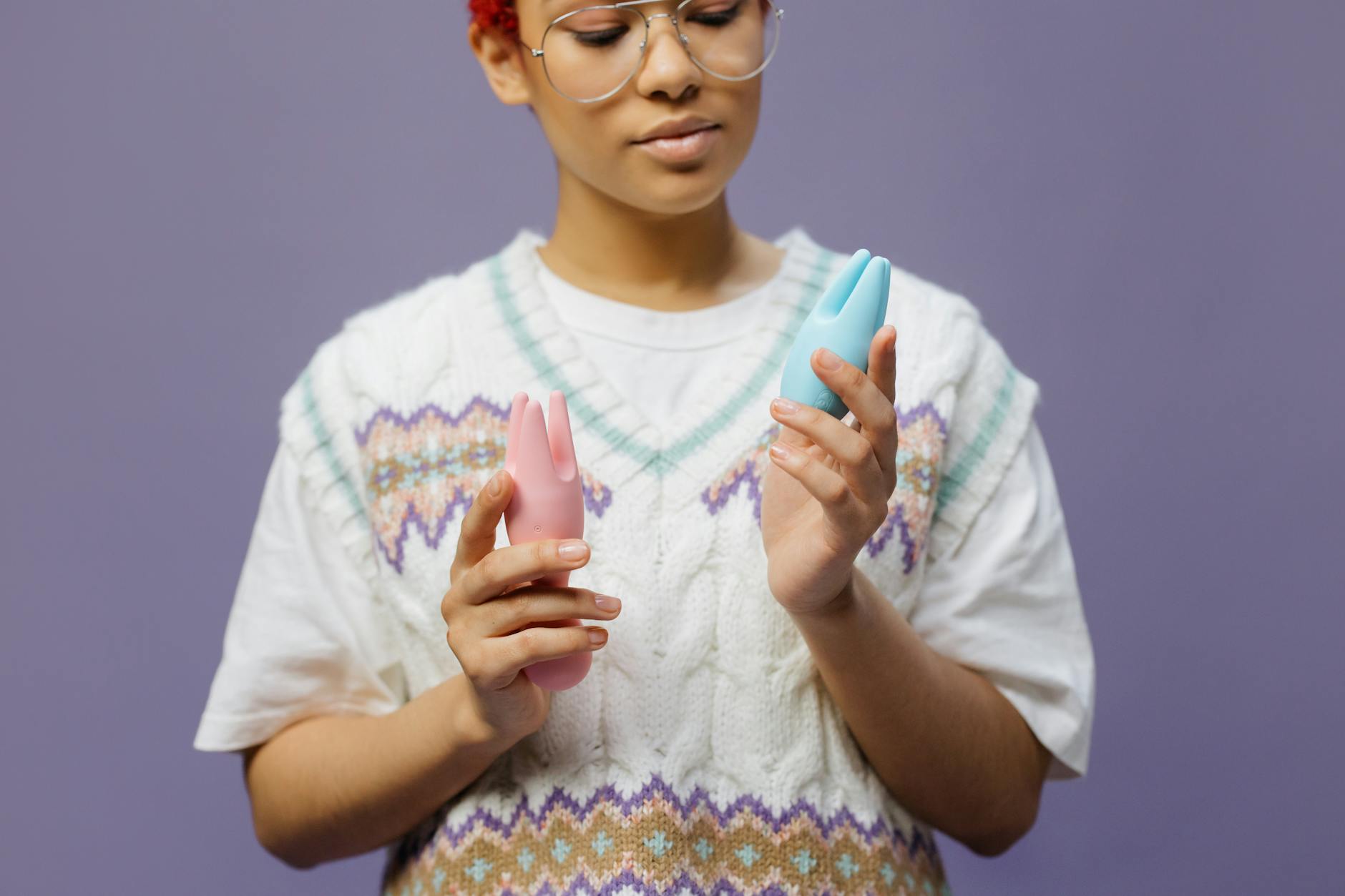
Photo by cottonbro studio on Pexels
When to use different intensities
Lemon clitoral vibrators come with multiple intensity levels. Each serves a purpose in rebuilding.
Lower intensities (1-3) are for early solo work and for moments when you're emotionally fragile. They keep arousal manageable and give you permission to explore without overwhelming your nervous system. Use these when you're feeling triggered or sad.
Mid-range intensities (4-6) are where most reconnection happens with a partner. They're strong enough to feel genuinely pleasurable but not so intense that you're tuning out emotionally. You can stay present, responsive, and aware of your partner.
Higher intensities (7-8+) come later, once trust has genuinely rebuilt. These are for moments when you both feel solid again. They're the pleasure equivalent of "I trust you with all of me," not just the vulnerable parts.
The emotional landscape nobody warns you about
You might orgasm and then cry. You might feel more connected to your partner than you have in years and then become terrified they'll betray you again. You might use a lemon vibrator and realize you're furious at them, not aroused. All of this is normal.
Infidelity damages the implicit trust that pleasure is safe. Rebuilding that takes time. Some couples move through it in months. Others take years. There's no timeline that proves your relationship is "worth it." There's only the timeline your nervous system needs.
If at any point you realize you don't want to rebuild, that's information too. Sometimes a lemon vibrator and honest conversation reveal that the betrayal was the symptom, not the problem. That's hard, but it's clarity.
When you need more support
Physical pleasure tools help, but they're not therapy. If you're rebuilding after infidelity, you need a couples therapist, ideally one trained in trauma-informed work. A therapist who understands how betrayal rewires attachment and can help you both rebuild safety systematically.
Individual therapy also matters. You need space to grieve what was broken, to process your anger, and to decide whether rebuilding is what you actually want or what you think you should want.
A lemon vibrator can be part of that healing. But it's support, not solution.
FAQ: Common questions about pleasure and trust
Can using a vibrator after infidelity make my partner jealous again?
If your partner becomes jealous or resentful of your solo pleasure, that's worth addressing directly. Their jealousy often stems from their own insecurity about the betrayal, not about the vibrator itself. The conversation you need is: "My pleasure isn't a threat to us. It's part of rebuilding me." If they can't move through that, couples therapy is necessary before shared pleasure exploration.
How long should I wait before trying partnered pleasure with a lemon clitoral vibrator?
There's no fixed timeline, but 8-12 weeks of consistent solo work and therapy is a reasonable baseline. You need enough distance from the betrayal that you can sit with your partner without your nervous system flooding. If you're still in crisis mode, you're not ready yet. Crisis mode isn't the right container for pleasure work.
What if my partner wants to use the lemon vibrator on me but I'm not ready?
That's completely valid. Tell them clearly: "I need to feel in control of this right now." You might offer an alternative, like them using it with your hand over theirs, so you maintain agency. Or you might need them to step back entirely for another few weeks. Your comfort matters more than their desire to participate.
Can pleasure actually rebuild trust, or am I just distracting from the real problems?
Pleasure alone doesn't rebuild trust. But pleasure as part of intentional, transparent work can absolutely help. You're literally rewiring your nervous system to associate vulnerability with your partner with safety, not betrayal. That's meaningful work. But it has to be paired with transparency, accountability from your partner, and professional support.
What if I orgasm with my partner and immediately feel like I don't trust them?
That's your nervous system doing its job. Orgasm opens you, and opening after betrayal triggers fear. This is normal. It doesn't mean you've failed or that your relationship is doomed. It means you need to process that fear, probably in therapy, and keep rebuilding. Some couples find that talking immediately after intimacy, while still close, helps rewire that pattern.
Is it better to use a lemon vibrator alone or with my partner watching during early stages?
Start alone. Always. Once you've rebuilt a solo relationship with pleasure, being witnessed becomes less threatening. When your partner is present from the start, it can feel performative or surveilled rather than nourishing. Solo work is the foundation. Everything else builds from there.
The long view
Rebuild trust the way you rebuild anything fractured: slowly, with attention, and with willingness to start over on difficult days. A lemon vibrator is a tool for that work. It keeps your pleasure in your hands, literally and figuratively. It lets you practice vulnerability on a shorter feedback loop than partnered sex. It reminds your body that you can feel good and feel safe simultaneously.
Infidelity is a betrayal. But it doesn't have to be the end of intimacy or pleasure. It's a hard reset. And sometimes, hard resets lead to deeper connection than what existed before, because you're both choosing it consciously this time, eyes open, knowing what it costs to rebuild. That's real.
If you're in this space and you feel stuck, reach out to a therapist who specializes in infidelity recovery. That support, paired with your own intentional pleasure work, is where healing actually happens.