Let's start with the honest part
Time apart changes things. Not your desire for each other, usually. But it does change the rhythm you built together, the unspoken language of touch, the muscle memory of what works. Restarting intimacy after a relationship break feels like learning each other's body for the second time. And that's exactly what it is.
Here's what I've learned from couples who've navigated this: the break itself isn't the hard part. The restart is. There's pressure to prove the relationship is "back on," pressure to feel attraction immediately, pressure to perform recovery. That pressure kills everything it's supposed to save.
Why the restart feels different
When you haven't been intimate for weeks or months, your nervous system forgets its cues. Your partner's touch registers as almost unfamiliar. You may feel self-conscious about your body in a way you didn't before. And honestly, you might worry that the spark is actually gone, that the break revealed something true you didn't want to know.
None of that is unusual. It's the neurological version of muscle atrophy. Your body's arousal response is a skill. Skills get rusty.
The second thing that shifts is communication. During the break, you've probably had hard conversations or long silences. You might be grieving the time lost, or relieved to have had space, or both. That emotional background sits underneath everything physical. Your nervous system knows it. Your partner's does too. Pretending it doesn't exist makes the physical restart feel hollow.
The role of air-pulse technology when rebuilding pleasure
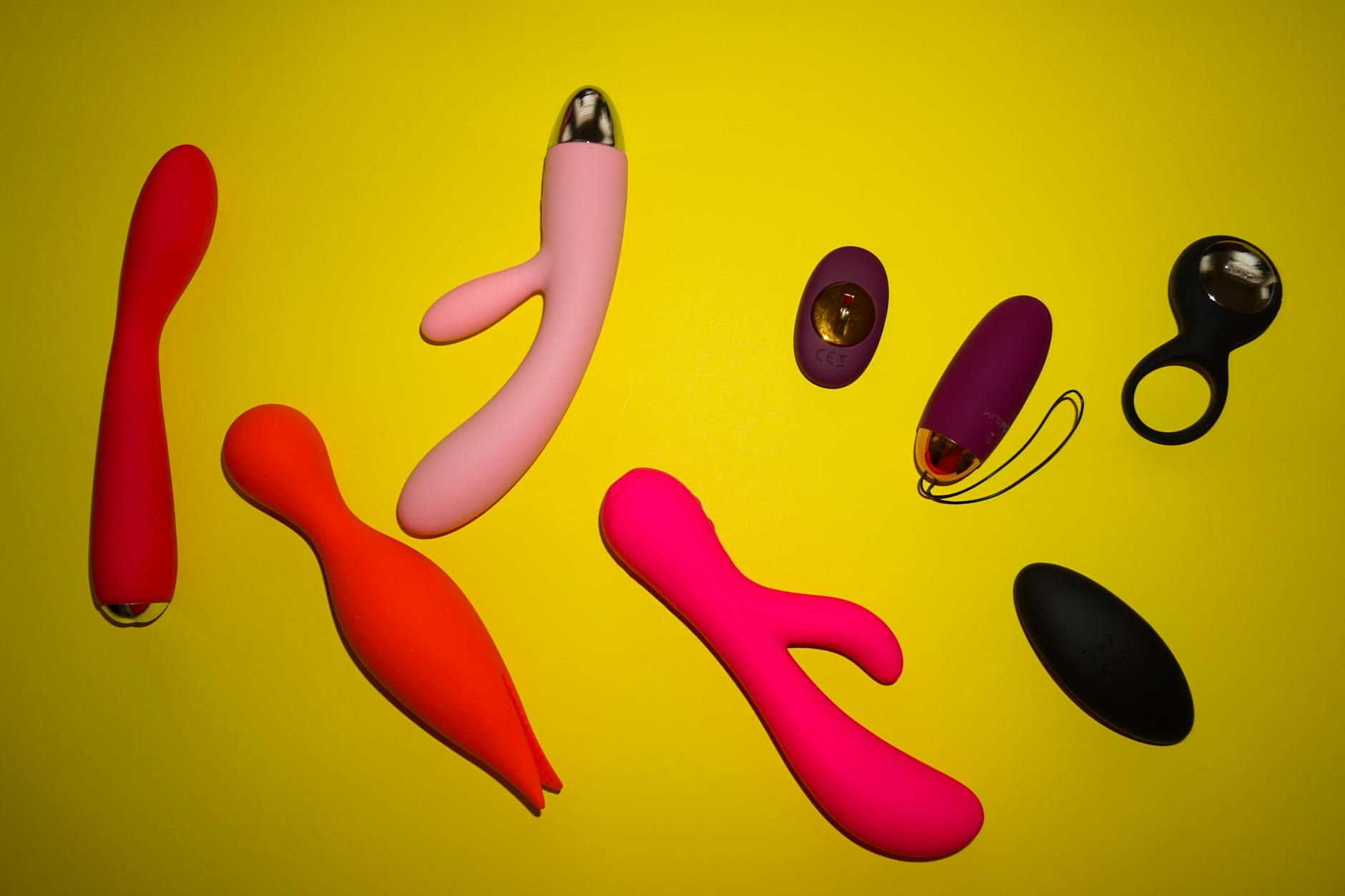
This is where a lemon vibrator, specifically an air-pulse design like the Lem, becomes genuinely useful.
Air-pulse stimulation doesn't require the same kind of direct friction that can feel overwhelming when you're rebuilding sensitivity. It creates suction and release, which mimics a more natural rhythm of arousal building and releasing. For couples restarting after a break, that rhythm matters because it removes some of the performance pressure.
With a direct vibration toy, there's an expectation of intensity and speed. With an air-pulse lemon vibrator, you're working with gentler, rhythmic patterns that don't demand anything from your body except to pay attention.
That attention is everything.
Three phases of restart
Phase 1: Solo rediscovery (alone, 1-2 weeks)
Before you restart with a partner, reconnect with yourself. Use your lemon clitoral vibrator on the lowest setting. Spend 15-20 minutes just exploring what feels good now. Your body might have changed. Your sensitivity might be different. Your preferences might have shifted.
This isn't about reaching orgasm quickly. It's about reminding your nervous system what pleasure feels like when there's no audience, no expectation, no one watching to see if it worked. Start at pattern one on your Lem. Go slow. Notice what you notice.
Phase 2: Reconnection conversation (together, before any touch)
Before you use the vibrator together, talk. And I mean actually talk, not the logistical "so when should we try" kind, but the vulnerable "here's what I'm scared of and here's what I missed" kind.
In my practice, I've found that couples who restart intimacy successfully always do this step first. They name the break. They talk about what they're nervous about. They ask each other: What are you worried will feel different? What are you excited to rediscover? What felt good before that you want again?
This conversation doesn't have to be long. Five minutes of real honesty beats an hour of circling around the subject.
Phase 3: Shared exploration (together, tools included)
When you do restart physical intimacy, introduce the lemon vibrator not as a solution to a problem, but as an adventure. Frame it that way. "I got a toy. I want to explore it with you. No pressure on either of us to do anything specific. Just curiosity."
Start with one of you using it on yourself while your partner is present. Not performing for them. Just present together. Your partner can watch, or hold your hand, or be nearby. The point is that you're building new shared experience, not trying to replicate old rhythm.
After a few sessions, you might try using it together in a way that works for your bodies. If you're partnered with someone with a vulva, they might hold the vibrator while you touch them elsewhere. You might trade off. You might just use it solo while they're close, and that's the connection.
There's no right shape here. The only rule is that you're both genuinely interested and that either of you can say stop without shame or explanation.
The nervous system piece
After a relationship break, your nervous system is in a mild protective state. You've been without the person. Your body adapted to their absence. Touch, especially new kinds of touch, can feel a little startling or intense.
This is why air-pulse stimulation works better than raw vibration for restarts. The gentler, rhythmic sensation helps your parasympathetic nervous system calm down while your sympathetic nervous system wakes up. You're not shocking your body back into arousal. You're inviting it.
If you're using a lemon vibrator together, start low. Spend more time warming up than you think you need. Let your partner's touch and presence matter more than the toy. The toy is an addition, not a replacement for connection.
The emotion that might show up
Sometimes when couples restart intimacy after time apart, unexpected emotion surfaces. Tears. Laughter. Anxiety. Grief. Relief.
All of it is normal. Your body is storing a lot. The break, the uncertainty about the relationship, the self-doubt about whether you're still desirable, the vulnerability of trying again. When you add physical sensation and touch, sometimes that vault opens.
If that happens, pause. Hold each other. You don't have to fix it or explain it. The intimacy isn't broken because emotion showed up. Emotion is part of what makes the restart real.
When to bring in professional support
If you've restarted and one or both of you still feels completely disconnected, or if the break revealed a deeper relationship issue that physical intimacy can't heal, that's a moment to see a couples therapist. A lemon vibrator is useful for exploring pleasure together. It's not useful for navigating unresolved trust issues or fundamental mismatches.
If pain appears during restart, that's also worth getting checked by a healthcare provider. Sometimes bodies develop protective responses during time apart, and that's medical, not emotional.
But if you're both willing, present, and curious? You have everything you need. The restart is yours to shape.
FAQ: Restarting intimacy after a relationship break
How long should I wait after a relationship break before restarting intimate contact?
There's no universal timeline, but I usually recommend at least a week of regular non-sexual touch first. Holding hands, hugging, sitting close. This helps your nervous system recognize your partner as safe again before you introduce sexual touch. After that week, start solo exploration for another week or two before you try together.
What if I don't feel attracted to my partner anymore after the break?
This is worth taking seriously. Sometimes a break reveals that the attraction was conditional on circumstances that have changed. Sometimes it's just nervous system fatigue and rebuilding will bring it back. Spend a few weeks with this feeling before making big decisions. Try the reconnection conversation. See if being present together shifts anything. If attraction genuinely doesn't return after honest effort, that's important information about whether the relationship is what you want.
Can we use a lemon vibrator if we're both nervous about restarting?
Absolutely. In fact, mutual nervousness often creates space for less pressure. You're both admitting you don't know what will happen. That honesty itself is bonding. Start slow, stay low on intensity settings, and focus on the shared experience of exploration rather than a specific outcome.
What if my partner wants to restart faster than I'm ready?
This mismatch is common. Set a boundary. "I want this to work. I'm also not ready yet." Give a rough timeline if you can. "I think I'll be ready in two weeks" beats "I don't know." In the meantime, keep affection and non-sexual touch going. That keeps the door open while you rebuild trust in your own timeline. If your partner pushes significantly past your boundary, that's information about what you're dealing with.
Should we talk about what happened during the break, or just move forward?
You need to talk about enough to reset the relationship context. This doesn't mean rehashing every painful detail, but it does mean naming what happened and what you both need to feel safe trying again. You don't need a perfect resolution. You need acknowledgment and a shared commitment to reconnecting.
Is it normal to feel disconnected during the first few sessions after a break?
Completely. Your bodies are relearning each other. Your nervous systems are resynchronizing. Disconnection during restart is not evidence that the relationship is broken. It's just evidence that time passed. Keep showing up. The connection rebuilds through repeated presence, not through forcing it during the first session.
The restart is the beginning
Here's what matters: the break doesn't define the relationship. The restart does. You're choosing to come back. You're choosing to be vulnerable. You're choosing to rebuild rhythm and language and touch together.
That choice, repeated over weeks and months, becomes the foundation of what comes next. A lemon vibrator can be part of that foundation. But the real work is showing up, staying curious, and trusting that pleasure can be rebuilt when both people want it.