Let's talk about what actually happens when time pulls partners apart
Extended separation rewires things. Not in a permanent way, but in a real way. When you're apart for months or years, your nervous system downregulates around that person. You stop anticipating their touch. Your body stops sending those micro-signals of attraction. You get used to existing separately, which is often healthy and necessary. But when you reunite, that nervous system recalibration doesn't flip back instantly just because you're in the same room again.
Most couples expect it to. That expectation is where the friction starts.
Here's what I see in my practice. Two people reunite, there's relief and joy, and then within days or weeks, they realize they're not automatically falling back into physical intimacy the way they imagined. One or both partners feels rejected. The other feels pressured. Suddenly the reunion that was supposed to fix everything becomes another source of hurt. It doesn't have to go that way.
The nervous system piece nobody mentions
Your body doesn't distinguish between "we're apart because of circumstances" and "we're apart because something's wrong." After extended separation, your parasympathetic nervous system has essentially forgotten this person is safe in a physical sense. That's not romantic. It's also not personal. It's just biology.
When you try to rush physical intimacy before your nervous system is ready, sex becomes effortful instead of pleasurable. Arousal doesn't build. Orgasm feels distant or impossible. And both of you interpret that as "we've grown apart" or "the spark is gone," when what actually happened is you're trying to use a muscle you haven't flexed in a long time.
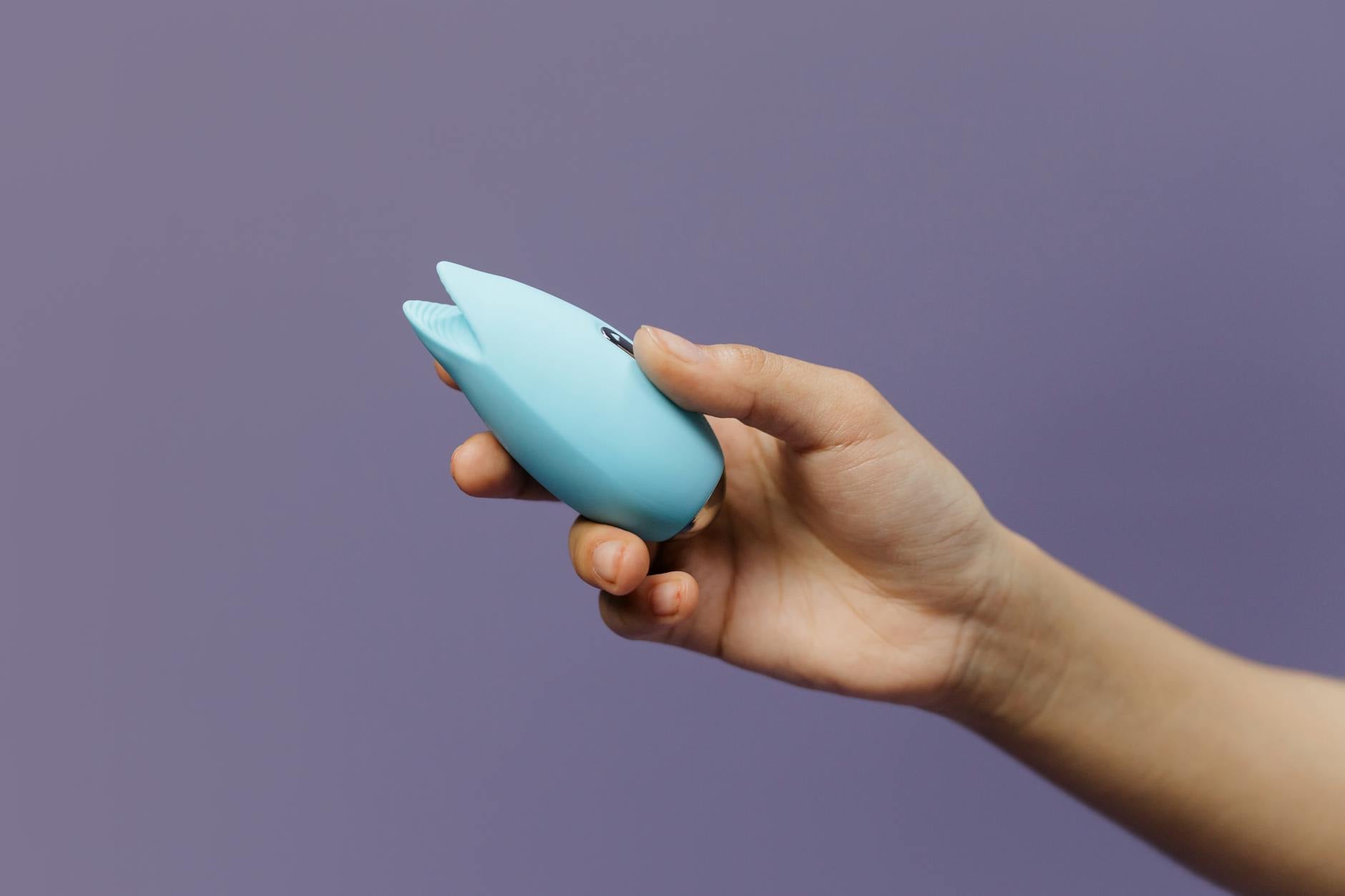
A clitoral vibrator like the Lemon solves a specific problem here. It gives your nervous system permission to feel sensation without the pressure of performing for another person first. It reintroduces your body to pleasure on solo terms before you layer another person's needs on top of it.
Why solo reconnection comes before partner reconnection
I know this sounds counterintuitive. You've been apart for months. You want to dive into sex together. And I'm suggesting you spend two to three weeks reconnecting with your own pleasure first.
Here's why it works. When you come back to your body alone, you're not managing anyone else's expectations. You're not wondering if you're taking too long or moving too fast. You're not performing. You're simply noticing what feels good, what your nervous system actually wants, what rhythm your body responds to now.
That information is gold. Because when you come to your partner with it, you're not a blank slate asking them to build the bridge. You're walking in knowing what works, and your partner gets to join something that's already moving.
The Lemon approach for your first week back
Start with intention. Don't surprise yourself in the shower. Carve out real time, maybe 20 minutes, where you're not going to interrupt yourself. Your phone is in another room. The door is locked or closed. You're not rushing to the next thing.
Begin with the lowest setting. Your body has forgotten what this feels like. You might think you want intensity right away, but most people find that gentler introduction feels more interesting than they expected. The lowest settings on a lemon clitoral vibrator are precise enough to be satisfying without overwhelming your nervous system.
Move slowly through the settings. Notice where your body wakes up. Some people find their attention lands on one specific spot and doesn't move. Others find themselves moving the vibrator around in slow patterns. Neither is right. Both are information.
Stop when you want to, even if you don't orgasm. After extended time apart, an orgasm isn't the goal yet. Noticing sensation is. Learning that your body still responds is. Building a sense of safety around pleasure in your own space is.
Do this three to five times over a week before you invite your partner in.
When you bring your partner into the picture
This conversation matters more than the mechanics. You want your partner to understand what you're doing and why.
Say something like: "I've been reconnecting with my own pleasure. I want to bring you into that slowly, and I'm using the Lemon to help us both relax about the timeline. I'm not performing. I'm just showing you what I've learned." That frame takes off so much pressure.
Your first experience together might look like this. You're using the Lemon while your partner watches, touches you somewhere non-sexual like your arm or leg, and simply exists with you. No obligation to participate in any specific way. Their job is to be present, not to fix or create anything.
After you finish, you can talk about it. What was that like? What did you notice? Did you feel seen? Was there anything that didn't land? Most couples find this opens a conversation they haven't had in months. Suddenly you're talking about actual preferences, not assumptions.
The timeline of building back together
Week one. Solo reconnection with the vibrator, no partner involvement yet.
Week two. Partner present but not directly involved. They're there, they're engaged with you, but the vibrator is your tool, your control, your pace.
Week three onwards. Mutual exploration. Now your partner can touch you while you're using the vibrator. You can use it together. You can try different positions or configurations. You're no longer strangers building a bridge. You're familiar people remembering how to be together.
Some couples move faster. Some need longer. The Lemon works at any pace because it shifts power back to the person using it. You're not waiting for your partner to create the conditions for pleasure. You're creating them, and your partner gets to witness and participate.
What if your partner feels threatened or jealous
This is worth addressing head-on. Some partners feel like the vibrator means they're not enough. That's often true in a different context, but it's not true here. What you're actually saying is: "I need to feel safe in my own body again before I can fully feel you in it."
If your partner can understand that the vibrator is a bridge back to you, not a replacement for you, something shifts. You might show them the Lemon. You might explain the settings. You might say, "This helps me feel present," which is really what you're both trying to build back to anyway.
If your partner is deeply resistant, that's worth exploring with a couples therapist. Not because the vibrator is the problem, but because the resistance often points to something else. Maybe they feel insecure about their own desirability. Maybe they're struggling with the reunion in other ways. A professional can help you both untangle what's actually going on.
The emotional part that matters more than technique
Physical reconnection after extended separation is really about permission. Permission to take your time. Permission to not have it all figured out immediately. Permission to use tools that help instead of shame yourself for needing them.
A lemon clitoral vibrator is permission in physical form.
When you press it against your skin and feel sensation return, your nervous system is getting the message: "This is safe. This feels good. I can rebuild this." That message is powerful, and it changes what happens next. When you reunite with your partner, you're no longer two people anxiously trying to recapture something. You're two people who've each done the work of remembering, and now you're showing up together differently.
That's how couples actually reconnect after time apart. Not with pressure. Not with performance. With intention, honesty, and tools that help.
FAQ
How long should I wait before using a vibrator with my partner after extended separation?
Think in terms of nervous system readiness rather than arbitrary days. Most people need two to three weeks of solo reconnection before bringing a partner in. Your body will tell you when you're ready. You'll notice arousal comes more easily, sensation feels more pleasurable, and you're no longer bracing for intimacy. That's your signal.
Will using a vibrator solo make it harder for my partner to pleasure me?
No. What it actually does is teach you and your partner what works. You're not comparing them to the vibrator. You're teaching both of your bodies a new language together. Partners who understand what sensation their partner responds to have much better sex. The vibrator accelerates that learning.
What if I orgasm easily alone but struggle to orgasm with my partner?
This is common after separation because you're managing different nervous systems. Alone, you're managing only your own arousal and safety. With a partner, you're also managing theirs. Try using the lemon clitoral vibrator together so your partner can see exactly what works. No mystery. No performance. Just information. Many couples find that speeds up reconnection significantly.
How do I bring this up without seeming like I'm rejecting my partner?
Be direct and specific. Say something like: "After being apart, my body needs a little help remembering how to feel pleasure. I want to use this tool to reconnect with myself, and then I want to bring you in. It's not about you. It's about rebuilding me first." Most partners understand that when it's explained as rebuilding rather than rejection.
Can we use the Lemon together from the start, or should we really do solo first?
You can do whatever feels right for your relationship. But most couples report that solo reconnection first actually makes partnered time better. You're not both nervous and out of practice at the same time. One of you has already found their footing. That confidence helps.
What if my partner wants to participate but I feel self-conscious?
Self-consciousness after separation is normal. Your body has changed, your confidence has shifted, and you're nervous. Start with lower lighting, clothes on, and the vibrator on the lowest setting. You can also tell your partner, "I feel a little shy. I might need you to close your eyes for a minute or start with just touching my arm." Any partner worth reconnecting with will honor that.
The path forward
Extended separation doesn't kill desire. It just requires you to wake it up intentionally. A clitoral vibrator is a tool that helps you do that on your own timeline, in your own body, before you layer someone else's needs on top of it. That's not selfish. That's exactly how couples rebuild physical connection that actually lasts.
If you're struggling with how to start this conversation or you're hitting bigger roadblocks in your reconnection, reach out. Sometimes talking through it with someone trained in relationship rebuilding helps clarify what's actually blocking you.
Your body remembers this person. Your nervous system just needs some time and intention to believe it again.