When desire frequency becomes the elephant in the room
Let's be real. Frequency mismatch is one of the most common sources of quiet resentment in long-term relationships. One person wants sex three times a week. The other wants it once every two weeks. Nobody's wrong. Nobody's broken. But both people end up feeling rejected, guilty, or obligated—sometimes all three at once.
The higher-desire partner feels consistently declined and starts to question whether they're still attractive. The lower-desire partner feels pressured and starts to avoid intimacy altogether because the stakes feel too high. Then sex becomes something that happens out of obligation rather than connection, and both people suffer.
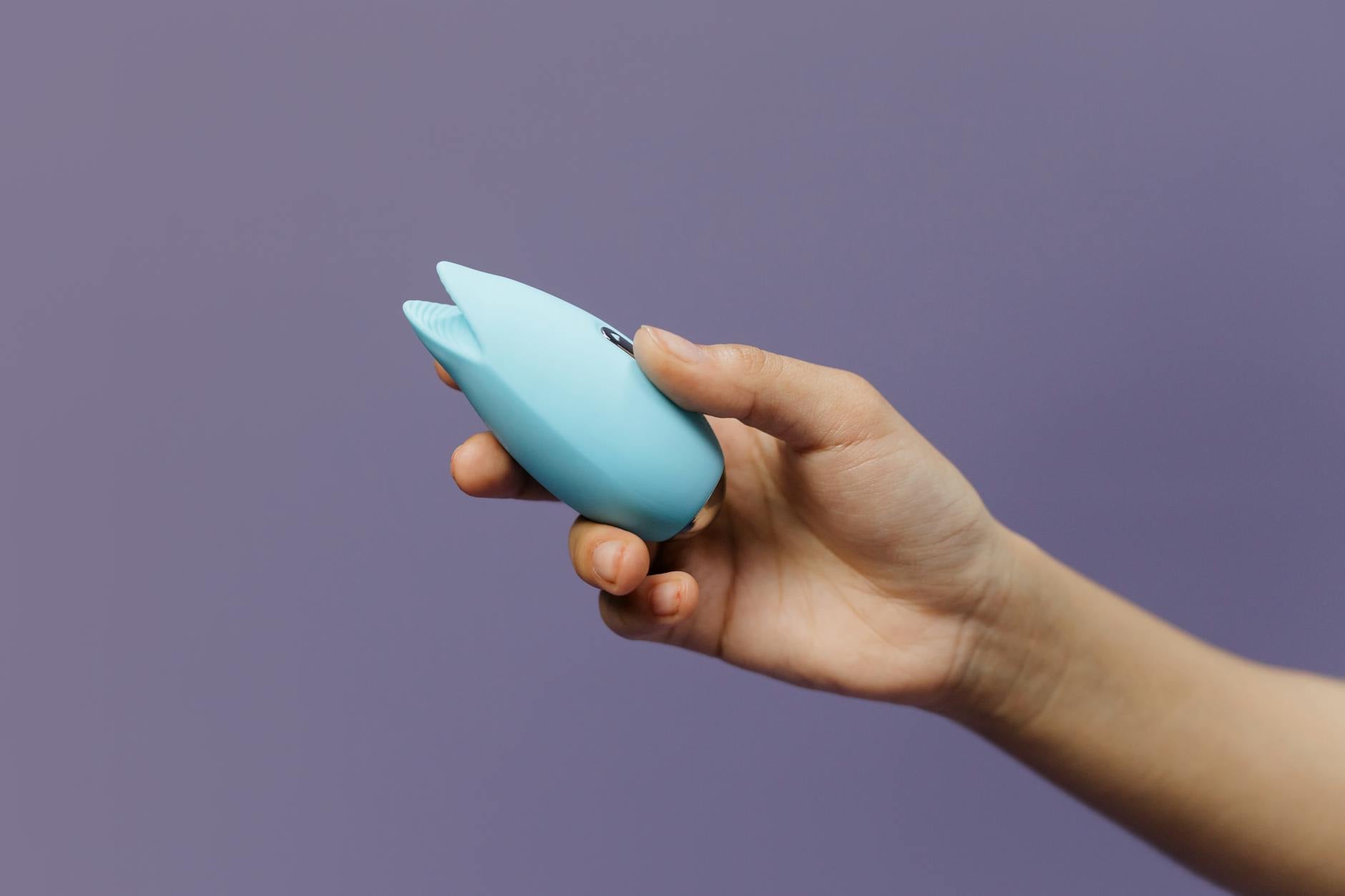
A lemon vibrator isn't the fix for mismatched desire. But it's a powerful tool for breaking the pressure cycle that makes frequency mismatch feel like a relationship problem instead of a manageable difference.
The difference between frequency mismatch and desire conflict
Here's the distinction that changes everything: frequency mismatch isn't really about how much sex you're having. It's about the story you're both telling yourselves about what that difference means.
If the lower-desire partner is declining because of low energy, depression, medication side effects, or just genuinely needing more rest days—that's one conversation. If they're declining because they're stressed about the outcome, worried about performance, or feel obligated to reciprocate in ways that don't feel good—that's a different conversation. A lemon clitoral vibrator directly addresses the second one.
When your partner has access to their own pleasure independently, the pressure dissolves. Suddenly, the higher-desire partner doesn't need every intimate moment to center on penetration or partner-dependent arousal. The lower-desire partner can say yes to connection without saying yes to a full sexual performance.
Why the pressure cycle makes everything worse
Research in couples therapy shows that desire mismatch only becomes a relationship crisis when one partner stops feeling accepted for their baseline. The higher-desire partner interprets rejection as "you don't want me." The lower-desire partner interprets persistent requests as "my needs don't matter."
What actually happens is neither of those things. But the pressure changes arousal itself. For the lower-desire partner, knowing sex is expected becomes the fastest way to kill actual desire. Their body learns that sexual situations = pressure, and arousal becomes harder to access. For the higher-desire partner, constant rejection trains them to stop initiating, which feels like loss.
A lemon vibrator interrupts this pattern by giving both partners agency. The lower-desire person can maintain their own pleasure practice without guilt. The higher-desire person has an outlet that isn't contingent on their partner's availability. Suddenly, partner sex becomes something you both actually want, not something one person is lobbying for.
How to introduce this conversation without making it worse
Timing matters. Don't bring this up during a rejected advance or during a sexual encounter. Pick a time when you're both calm, neither person is hungry or tired, and you have actual privacy.
Start with what's true: "I've noticed we're both frustrated about how often we connect sexually, and I don't think that's because either of us is broken. I think the pressure is making it harder for both of us to actually want it." That's not accusatory. It's just data.
Then: "I'm thinking about using a lemon vibrator—not instead of us, but so I don't feel like I'm always asking you for something. And maybe you could use it sometimes too, independently, without any performance pressure." The key word there is independently. You're not asking them to incorporate a toy into your sex life together. You're asking both of you to have pleasure options that don't depend on the other person's availability.
If your partner worries this means you're not attracted to them anymore—and some partners will—be direct: "It's the opposite. I want us to have sex when you actually want it, not when you feel obligated. A vibrator gives me options on the days you're not in the mood. That means when we do connect, we both actually want to." That's not a small distinction. That's the whole point.
The rhythm that actually works for mismatched couples
Once you've both agreed this is worth exploring, build a structure that respects both people's baseline.
If one partner wants sex three times weekly and the other wants once every two weeks, don't aim for twice a week and call it compromise. That still makes the lower-desire person feel pressured. Instead, commit to once every 10 days or so as a partnered rhythm. On the other days when the higher-desire partner wants release, a lemon vibrator becomes a solo tool.
For the lower-desire partner, having a clitoral vibrator available means pleasure doesn't have to be performance-dependent. Some people find that when the pressure is off—when they know they can satisfy themselves—actual desire returns. Not always, but often. The lowered stakes can lower anxiety enough for arousal to rebuild.
The key is honesty. "I want to have sex with you twice a month because that's my baseline" is way better than "I want to have sex but only sometimes" followed by months of resentment. A clear rhythm respects both people and prevents the constant negotiate-and-decline cycle.
Using a clitoral vibrator to rebuild interest, not replace partnership
Some couples find that the partner who previously had lower desire starts wanting partnered sex more often once the pressure lifts. Not because the vibrator is somehow better, but because sex stopped feeling like a performance they were being graded on.
If that happens, great. You've actually solved the problem. But don't expect it automatically. Some people have lower baseline desire, and that's fine. What matters is that both partners feel accepted for who they are.
Where a lemon vibrator genuinely shines is in mixed-desire couples who want to maintain physical intimacy without the resentment. You can have partnered sex on a rhythm that feels good to both of you, and the higher-desire partner can use independent tools on other days. Nobody's rejected. Nobody's guilted. The relationship stays intact.
One more thing: using a vibrator independently doesn't mean keeping it secret. Some couples find it's actually more connecting to know their partner is taking care of their own pleasure. It's not sneaking around—it's being transparent about the fact that you both have needs, and you're both handling them maturely.
When frequency mismatch signals something deeper
Honest moment: sometimes a mismatch points to something else—resentment about household labor, emotional distance, unresolved conflict, or genuine incompatibility. A lemon vibrator won't fix those. Neither will forcing more sex.
If the lower-desire partner's decline started after a specific event—infidelity, a major argument, grief, a health crisis—the mismatch is probably a symptom, not the cause. In that case, you might need actual couples counseling before the vibrator conversation even makes sense.
But if the mismatch has always been there, or it's simply about energy levels and baseline desire differences, a vibrator can genuinely ease the tension and help both partners feel less stuck.
The actual benefits nobody talks about
Beyond the frequency thing, couples who have independent pleasure practices often report better sex overall. Not more frequent sex, but better quality. Both partners are less performance-anxious. Both partners have easier access to their own arousal, which makes partnered arousal better too. Orgasms feel less like something you're performing for your partner and more like something you're experiencing together.
Also: the lower-desire partner often feels relief. Permission to have pleasure on their own terms can ease the shame that sometimes comes with saying no to sex. The higher-desire partner gets relief too—the constant low-level rejection stops, and sex can go back to being something good instead of something contested.
Using a lemon vibrator when frequency mismatches create stress isn't about giving up on your partnership. It's about being honest that two people can love each other deeply and still have different sexual rhythms. The vibrator becomes a practical tool for honoring both people's needs without asking either person to compromise their own baseline.
FAQ
What if my partner sees my vibrator use as rejection?
That's the most common worry, and it's worth addressing directly. Say something like: "Using this isn't about you being less attractive or less important. It's about me not wanting our whole intimate life to depend on whether you're in the mood. When I take care of my own pleasure on my timeline, it actually makes me want you more, not less, because there's no resentment underneath." Some partners still feel insecure, and that's real—but being clear about your intentions helps.
Should we use a lemon vibrator together if we have a frequency mismatch?
You can, and some couples do. But that's different from using it independently. If you're trying to ease frequency tension, the power move is actually independent use. Your partner gets to keep their baseline, you get to keep yours, and you meet somewhere in the middle for partnered sex. Introducing a vibrator into partnered sex is a separate conversation with its own benefits—but it doesn't solve the pressure problem the same way.
How often should the higher-desire partner use a vibrator?
Whatever feels natural. Some people use one three times a week on non-partnered days. Some use one once a week. There's no "right" frequency for solo pleasure. The goal is to give you an outlet so partnered sex doesn't feel like your only option, not to set a new obligation.
Will using a vibrator decrease my desire for partnered sex?
Not typically. If anything, the opposite. When pleasure stops feeling like something you're always asking for or always declining, both people relax. Solo pleasure and partnered pleasure are different experiences anyway—they don't really compete for the same neurological real estate. You can want both.
What if we try this and it still doesn't help the resentment?
Then the frequency mismatch might actually be a symptom of something else—emotional distance, unresolved conflict, or genuine incompatibility in what you both need from the relationship. A vibrator is a great practical tool, but it's not a substitute for genuine couples work if the relationship itself is fractured. Consider talking to a relationship coach if tension stays high after you've tried this approach.
How do we talk about using vibrators when neither of us has mentioned toys before?
Start with data, not desire. "I read that couples with frequency mismatches often feel less resentment when both people have independent pleasure options." That's less loaded than "I think we should use vibrators." Then ask what they think, and listen for the actual concern underneath any resistance. Often it's not about the vibrator—it's about feeling less desired or worried about being replaced. Once you know the real fear, you can address it directly.