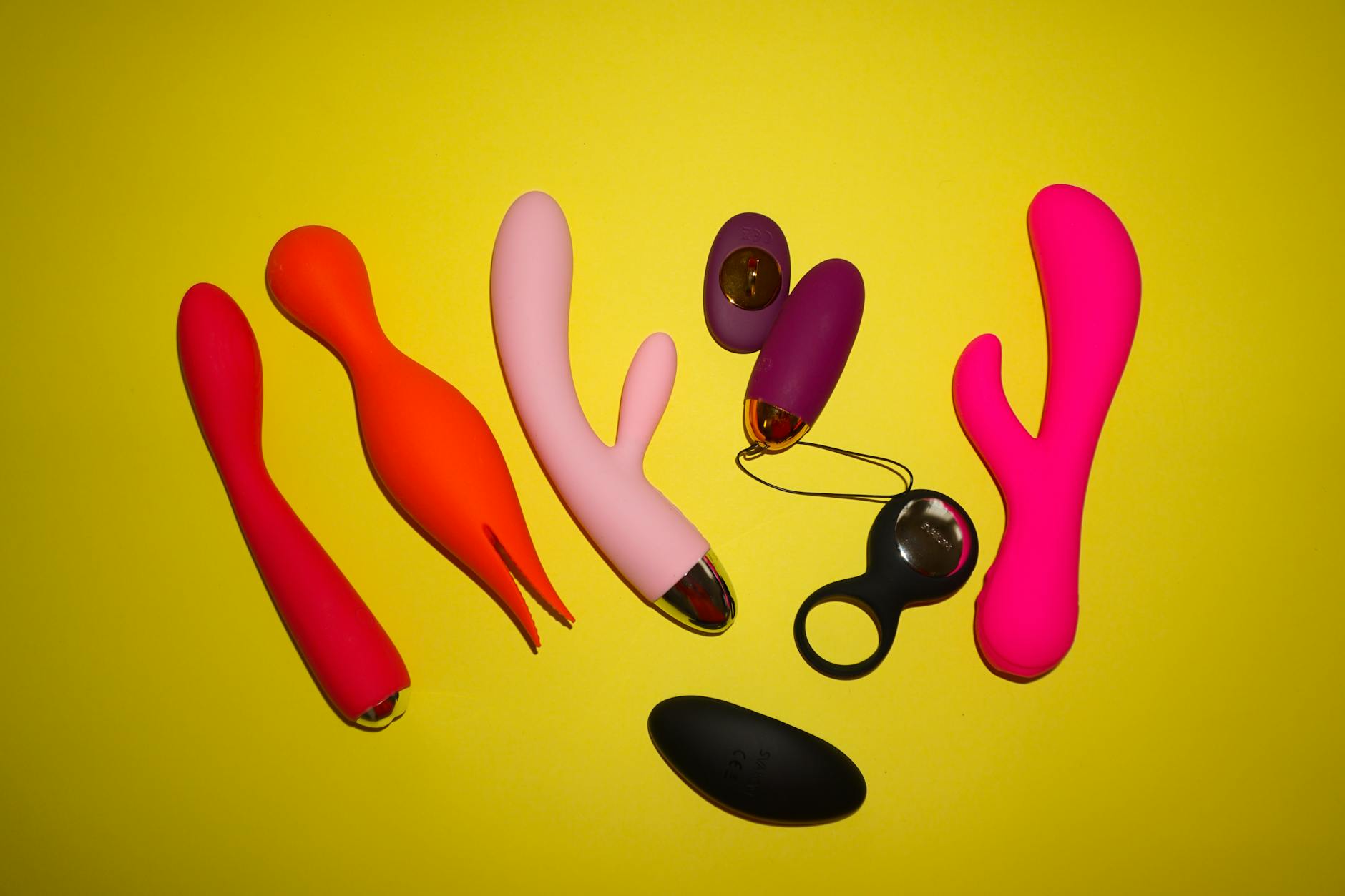
Here's the uncomfortable truth about vibrators and jealousy
A lemon vibrator doesn't cause relationship conflict. But the way you introduce one absolutely can. I've sat across from hundreds of couples where one partner brought a vibrator into the bedroom and the other felt, in their words: replaced, inadequate, or like they weren't enough anymore. None of those feelings came from the toy itself. They came from context. From how the conversation happened. From what was left unsaid.
The good news is that this is fixable, and honestly, using a vibrator together can actually deepen intimacy if you approach it right. I'll walk you through exactly how.
Why partners actually feel threatened (and it's not what you think)
When someone reacts badly to a vibrator, the instinct is usually to assume they feel sexually inadequate. Sometimes that's true. But more often, it's something else entirely that's wearing that disguise.
Here are the three things I hear most:
"I feel like you're choosing the toy over me." This is about exclusion, not inadequacy. If you bring a vibrator into the room without conversation or framing, your partner experiences it as a unilateral decision. They weren't consulted. They're being presented with a done deal. That creates distance, fast.
"Why didn't you ask me first?" This is about agency and respect. Even if your partner is genuinely excited about using a lemon clitoral vibrator together, the method matters. Surprising them with it can feel controlling, like you made a choice about their body and the shared experience without them.
"I'm not sure what this means about us." This is about narrative. Sex is how many people feel secure and known in a relationship. A vibrator can feel like a signal that something's wrong, that you're bored, that the relationship is changing in ways they didn't see coming. That uncertainty is what triggers the real fear.
None of these are about the vibrator. They're about communication and inclusion.
The conversation setup that actually works
Timing matters enormously. Don't bring this up in the bedroom. Don't spring it on your partner as a surprise. Don't leave it on the bedside table and hope they figure it out. Those are all isolation moves, even if that's not your intent.
Instead, have the conversation at a neutral time. Not during sex, not when either of you is stressed, not right before bed. A good time is during a walk, over a meal, or even in the car. Somewhere you're side by side, not facing each other in a way that feels confrontational.
Start with honesty about why you want this. Not "I need more stimulation" (which can land as a criticism of your partner). Instead: "I've been thinking about how pleasure works for me, and I'm curious about trying something new together. I want to explore this with you, not alone."
The key phrase there is "with you." This frames the vibrator as a tool for shared intimacy, not a replacement for your partner. It matters.
How to frame it so they want to participate
Many partners who initially resist actually become more enthusiastic once they understand their role in this. The magic is positioning them as essential to the experience, not peripheral.
Try this: "I want to feel different kinds of pleasure, and I'd like you there while I explore that. I want your feedback, your hands, your presence. A lemon vibrator isn't a replacement for you. It's something we can play with together."
Then be specific about what you mean by "together." Do you want them to hold it? Guide it? Watch? Touch you while you use it? Some partners feel much more secure when they have an active role. Others prefer to watch. The point is that you're deciding this as a team, not presenting them with a fait accompli.
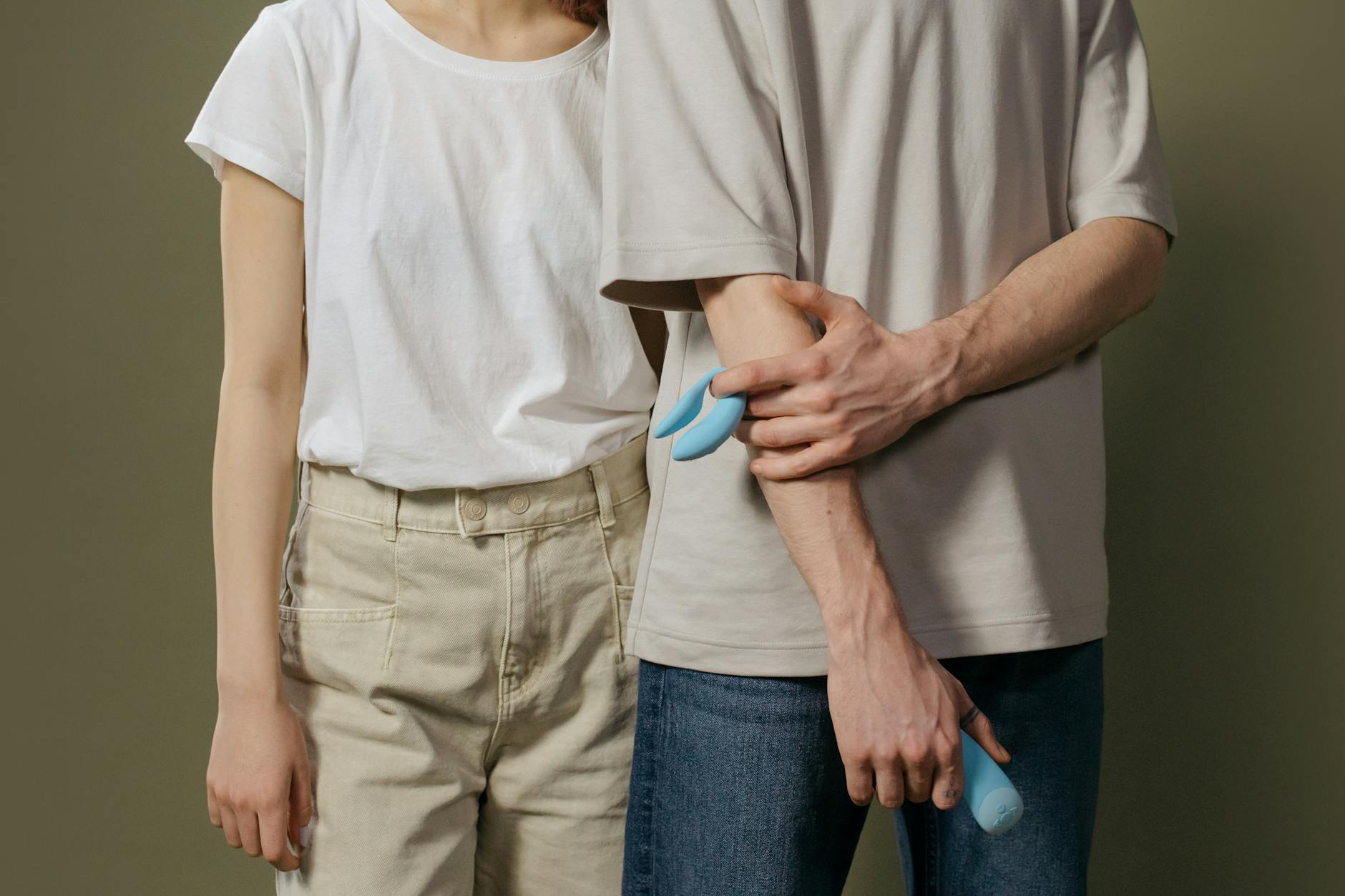
Photo by cottonbro studio on Pexels
Address the elephant: "I know vibrators can feel like a threat. I want you to know that using one doesn't mean anything about how I feel about you or about us. It means I want to feel good, and I want you there."
Then actually listen. If they have concerns, don't defend. Don't explain why those concerns are "irrational." Just hear them. "That makes sense. Tell me what you're worried about." Often, once someone feels truly heard, resistance softens.
What to do if they're still resistant
Sometimes even after a good conversation, a partner says no. That's their boundary, and it's worth respecting. But before you accept that as final, it's worth understanding what's underneath.
If the resistance is about feeling excluded, you might say: "What would make this feel okay for you? Do you want to pick it out together? Do you want to wait and try it at a specific time?" Sometimes the resistance isn't to the vibrator itself but to the loss of control over how it enters the relationship.
If it's about deeper insecurity, that might need a longer conversation. Your partner might genuinely believe that needing a vibrator means the relationship is in trouble. That's a narrative that needs gentle unpacking. "Using a vibrator doesn't change how I feel about you. It's not about our relationship. It's about exploring my own body." Say it multiple times if you need to. Reassurance isn't repetitive; it's necessary.
If your partner remains firmly no after a genuine conversation, you have a choice. You can honor that boundary. Or you can decide that this is important enough to be a point of incompatibility. Both are valid, and both are about your relationship health, not about the toy.
The first time actually using it together
Once you've had the conversation and you're both in, the first experience matters. Here's what I recommend:
Go slow. You don't need to jump into full intensity on a lemon clitoral vibrator. Start with lower settings. Focus on sensation, not necessarily on orgasm. The goal is to normalize the experience and let your partner see that it's not replacing them. It's adding to what you're already doing together.
Keep communicating. "Does this feel good?" "What would you like to try?" "Can you touch me here while I use this?" Narration keeps you connected. It keeps the focus on intimacy rather than on the toy doing all the work.
If something feels off, pause. Maybe the intensity is too high. Maybe your partner needs to step back and process. Maybe you're not in the right headspace. That's all fine. There's no finish line here. This is about exploring together over time.
One thing I notice with couples who successfully integrate a lemon vibrator: they often report feeling closer afterward, not more distant. Why? Because they had a vulnerable conversation, they were honest about what they wanted, and they explored something new as a team. That builds intimacy, even when the first attempt feels awkward.
The ongoing conversation keeps it intimate
This isn't a one-time chat. As you explore, keep checking in. "What did you enjoy about that?" "What would you want to try differently next time?" "Is there anything that didn't feel good for you?"
If your partner is still hesitant after trying it, that's data worth exploring. Maybe the toy itself isn't their preference. Maybe they'd feel more comfortable if they were the one holding it. Maybe they need to start with a different type of stimulation. The point is that you're problem-solving together, not expecting one experience to solve everything.
It's also worth asking directly: "What would make this feel better for you?" Your partner might want you to focus on them more. They might want a specific setting or rhythm. They might want to try it in a different way. These conversations, while they might feel awkward, are actually the foundation of sexual intimacy that lasts.
When jealousy is actually about something else
Sometimes jealousy about a vibrator is pointing to a real relationship issue that has nothing to do with the toy. If your partner has been withdrawing emotionally, or if there's been infidelity, or if the relationship is already struggling, a lemon vibrator won't fix that. It might even highlight it.
In those cases, the vibrator conversation becomes a gateway to a bigger conversation. And that might need professional support. A couples therapist or counselor can help you untangle whether the jealousy is about the vibrator or about something deeper in the relationship that needs attention.
FAQ
Why does my partner think a vibrator means I'm not satisfied with them?
Because satisfaction is ambiguous. To you, a vibrator might just be a different type of stimulation. To them, it can feel like evidence that what you already have together isn't enough. The fix is clarity. "A vibrator gives me a different sensation, but it doesn't replace what we have. I want to explore this with you because I trust you and I want us both to feel good." Say it plainly, and say it again if they need to hear it.
Should I buy the vibrator before or after the conversation?
After. Buying it beforehand feels like you've already decided, and your partner gets no real say. Buying it together (if they're comfortable) makes it a shared investment in the experience. Even if they're not ready to use it yet, choosing it together can help them feel included in the process.
What if my partner wants to use the vibrator on me but I wanted to use it myself?
You can do both. There's no rule that says your partner can't use a lemon clitoral vibrator on you one time and you use it solo another time. Flexibility here keeps things interesting and makes sure both of you feel like your preferences matter. Just be clear about what you each prefer and take turns.
Is jealousy about vibrators a sign the relationship is in trouble?
Not necessarily. Jealousy is often about insecurity, which almost everyone has. The real sign of trouble is if jealousy prevents any conversation about it, or if one partner refuses to listen or work through it. Relationships that survive and thrive through these moments are ones where both people are willing to be vulnerable and keep talking.
How do I know if my partner will ever be comfortable with this?
You don't know until you ask and give them time. Sometimes people need to sit with the idea before they're ready. Sometimes they need to try it once before they understand it's not a threat. Sometimes they genuinely never will be comfortable, and that's information too. But most resistance softens with good communication and time.
Can we use a vibrator together if we're not comfortable talking about sex in general?
That's actually a bigger question than the vibrator. If you can't talk about sex, then introducing a vibrator won't magically fix that. It might even highlight the gap. Consider starting with smaller conversations about what you each enjoy, what feels good, what you're curious about. A vibrator can be part of that journey, but the conversation skills need to come first.
The real point
A lemon vibrator is just a tool. What matters is the relationship between you. If you're willing to have honest conversations, to listen without defending, to include your partner in decisions about shared intimacy, then a vibrator can actually strengthen things. It becomes proof that you trust each other, that you're both willing to be vulnerable and curious. That's what makes lasting intimacy, not the toy itself.
If you're struggling with bigger relationship issues around sex, communication, or trust, that's worth addressing separately. And that's exactly what I help couples with. Reach out if you want to talk through it.