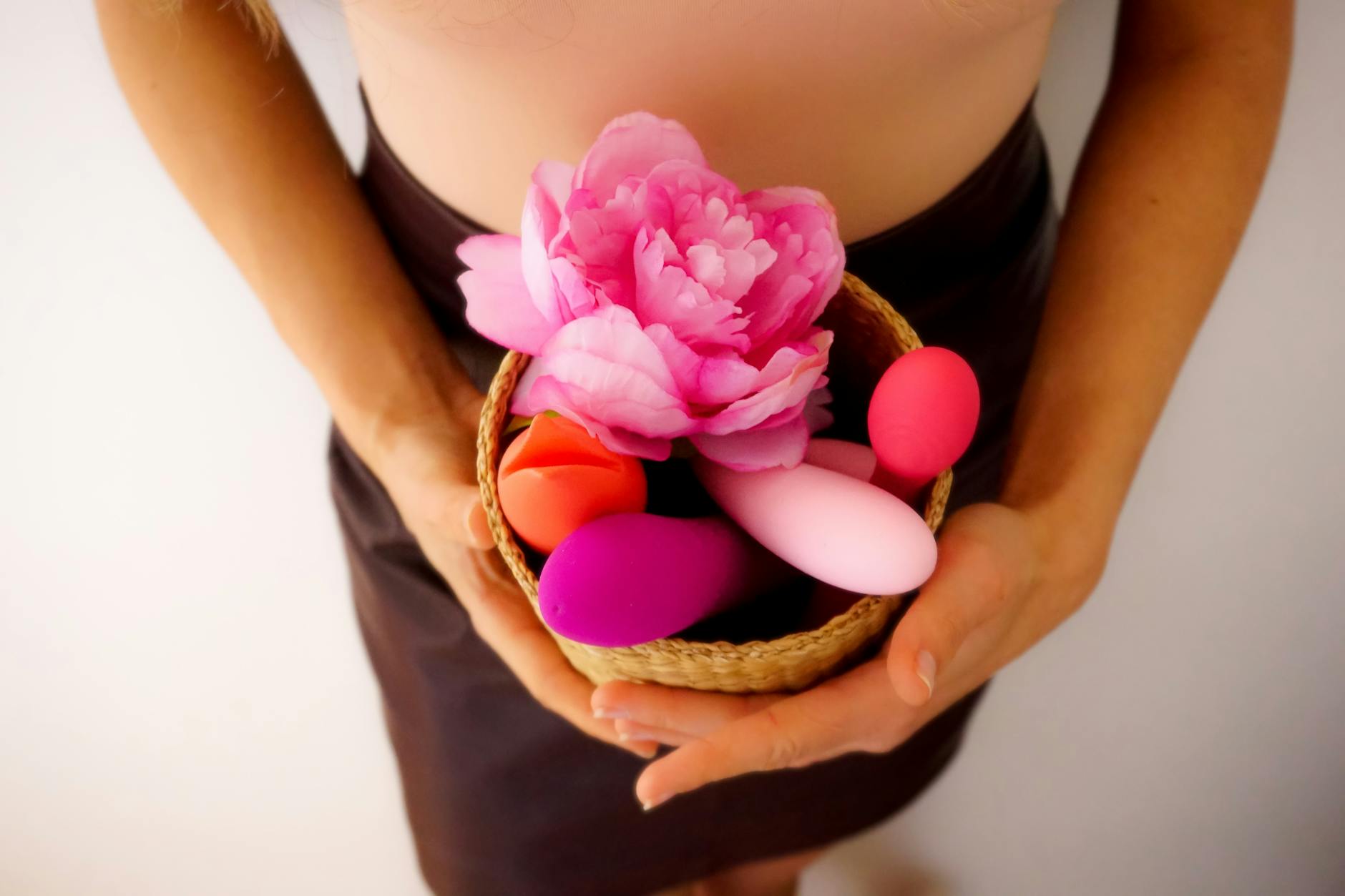
Let's talk about what gray divorce actually does to pleasure
You spent 20, 30, maybe 40 years in one body with one person. Then it's over. Not suddenly. Slowly, then suddenly. And now your nervous system doesn't know how to exist in pleasure alone. Your body was coded for someone else's touch, someone else's rhythm, someone else's presence in the room. Rewriting that code is both more complicated and more doable than you think.
I've worked with dozens of people navigating the end of long-term relationships. What they almost never talk about, but always mean when they bring it up, is this: how do I touch myself again without feeling like I'm cheating? How do I want something for my own body when I've spent decades wanting for a partnership?
Here's the thing. Using a lemon vibrator during and after gray divorce isn't frivolous. It's nervous system recalibration. It's claiming ownership of your body when you've just lost your primary identity. It's the opposite of running away.
Why pleasure gets complicated after a long relationship ends
Three separate systems go haywire when a long marriage ends. Understanding them helps you navigate the physical part.
Your nervous system is in survival mode. Breakup is trauma, even the amicable kind, especially when it took years to accept it was coming. Your body has been flooded with cortisol and adrenaline. You're in sympathetic activation (fight-flight) far more than parasympathetic rest. Pleasure requires a calm nervous system. You can't orgasm your way out of this phase, but you can gently start signaling safety to your body.
Your pelvic floor is holding tension like a vault. Grief, anger, and years of unmet intimacy lodge in the pelvic floor muscles. They tighten. They guard. The tissue becomes less responsive. This is why you might feel numb when you try to touch yourself, or why sensation feels distant. It's not broken. It's protecting you.
Your brain's reward system has been recalibrated to partnership. For decades, pleasure was tied to another person. Your dopamine system is literally coded that way. Solo pleasure can feel selfish, lonely, or wrong at first. This feeling is completely normal. It also passes.
Why a lemon clitoral vibrator is different from your partner's touch
This matters because you might be tempted to skip vibrators entirely and "learn to pleasure yourself naturally." I'm not here to shame that choice, but I'm here to tell you it's often harder, not easier, in early recovery.
A lemon vibrator doesn't remember what your partner was like. It doesn't trigger comparison. It doesn't require you to take care of someone else's pleasure. It's purely mechanical, purely about sensation. There's something deeply freeing about that.
More practically: the suction-based design of a quality clitoral vibrator (like Lemon Suckers' lemon vibrator) stimulates nerves without requiring the kind of direct friction that can hurt when your pelvic floor is locked in guard mode. You get sensation without force. Your body gets to remember pleasure is possible without the cognitive weight of memory or grief.
Starting slow. The actual protocol.
Don't jump to intensity 5. Spend time at intensity 1 and 2.
Week one: sensation mapping. Set aside 15 minutes. No goal of orgasm. No performance pressure. Use your lemon vibrator on the lowest setting and explore. Notice where you feel it most. Notice where you feel numb. Pause when you notice numbness and breathe into it. This is your nervous system saying "I need to feel safe here first." Respect that. Stop when it feels like work. This isn't about pushing through. It's about gentle reconnection.
Week two and three: rhythm exploration. Now that you've mapped basic sensation, try different patterns. Stay on low-to-medium settings. Notice what feels good versus what feels like obligation. There's a huge difference. Pleasure is a yes. Obligation is a no. You've spent years reading obligation as intimacy. This is your chance to learn what's actually you.
Week four onwards: time and intensity. As your nervous system settles, you can stay engaged longer and explore higher intensities. But only if it feels good. This isn't a race. Some people take weeks to rebuild sensitivity. Some take months. Both are normal.
The emotional side (which matters more than the physical side)
Here's what I tell people in my therapy practice: you can't separate your clitoris from your psyche. They're not different systems.
If you're using a lemon vibrator and feeling nothing, ask yourself these questions first:
Am I angry at myself for wanting this? (Grief often disguises itself as shame.) Am I comparing this sensation to something from before? (Comparison is a dead end.) Am I rushing because I feel like I "should" enjoy sex again by now? (There is no timeline for pleasure recovery.)
Sometimes the answer is yes to all three. That's information, not failure.
If you notice resistance, pause and journal. Not in a woo way. In a practical way. Write: "I notice I feel [numb/guilty/sad] when I try to use my vibrator." Then write: "That makes sense because..." Often you'll find the block isn't sexual. It's relational. It's grief. It's permission.
Many people find that using a lemon vibrator becomes a ritual of self-permission. Not "I'm healing myself with sex." More like: "I'm telling my body it's allowed to feel good for its own sake now." That's different. That matters.
When to reach out for professional support
If you're using a clitoral vibrator and experiencing sharp pain, stop and talk to a doctor. Pain isn't a sign you're doing it wrong. It's a sign something needs attention.
If you notice you're using vibrators to numb out instead of feel into, that's worth noticing. There's a difference between healing pleasure and escapist pleasure. Both exist. One moves you forward. One keeps you stuck.
If you're dealing with lingering resentment toward your former partner that makes solo pleasure feel impossible, couples therapy (yes, even after the relationship ends) or individual therapy can help. A therapist trained in attachment and breakup recovery can help you untangle the shame from the sadness.
The longer game
After gray divorce, using a lemon vibrator isn't just about orgasm. It's about reclamation. It's about discovering what your body wants when it's not negotiating with someone else. It's about writing a new story where your pleasure is worth your own time and attention.
That might sound dramatic. It's not. After decades of partnership, discovering solo pleasure again is genuinely transformative. Some of my clients say it's the first time they've experienced their own bodies without the filter of performance or care work. They get to be selfish. They get to be weird. They get to find out who they are when no one's watching.
Your body remembers how to feel good. It just needs patience, a little help from a quality clitoral vibrator, and permission to prioritize itself. You deserve that.
People also ask
Is it normal to feel guilty using a lemon vibrator after my long marriage ended?
Completely normal. You spent decades with one person. Your brain coded pleasure as partnered activity. Using a vibrator alone can trigger guilt, shame, or the sense that you're "cheating." You're not. You're reclaiming yourself. The guilt usually fades as your nervous system adjusts and you realize pleasure for its own sake is not betrayal. It's freedom. If the guilt persists beyond a few months, talking with a therapist can help separate the grief from the shame.
How long does it take to rebuild sensitivity after a gray divorce?
There's no fixed timeline. Some people notice improved sensation within 2-3 weeks of gentle exploration. Others take 2-3 months. Variables include stress level, how long the marriage was, whether you had sex near the end, your current sleep and exercise habits, and whether you're processing the breakup actively or avoiding it. Generally, consistency matters more than intensity. Using your lemon vibrator twice a week at low settings often works faster than once-a-month marathons at high intensity.
Can I use a lemon vibrator if I'm still grieving the relationship?
Yes. Grief and pleasure can coexist. You don't have to "get over it" before you're allowed to feel good. That said, pay attention to your motive. Are you using the vibrator to feel something real, or to avoid feeling the grief? Both are valid at different times. Early on, using it to ground yourself in sensation (not to escape) tends to help processing. Later, it's just pleasure. Both are fine.
What if I don't feel anything when I use a vibrator after my divorce?
Most likely, your pelvic floor is guarding, your nervous system is in sympathetic activation, or both. Numbness is a protective response, not a permanent state. Three things help: (1) lower intensity and longer warm-up time, (2) deep breathing before and during use, and (3) patience. If numbness persists beyond 8-12 weeks, talk to a pelvic floor physical therapist. Sometimes years of tension needs professional attention.
Should I wait to date before using a vibrator again?
No rule here. Some people find that reconnecting with their own body solo makes them clearer about what they want from a new partner. Others prefer to date first and then explore vibrators. Neither is wrong. What matters is that your choice comes from genuine desire, not pressure or timeline anxiety.
How do I talk to a new partner about the fact that I use a lemon vibrator?
Honestly. "I'm rebuilding my relationship with my own body and pleasure. I use a vibrator as part of that." Most secure partners find this hot, not threatening. If someone shames you for solo pleasure or vibrator use, that's information about them, not you. Learning how to use a lemon vibrator with a new partner is its own conversation, and it's easier when you've already reclaimed your own pleasure.
The real work
Gray divorce is a grief event. Using a lemon vibrator won't fix the sadness. It won't speed up the timeline. What it does is tell your body: you're allowed to feel good. You're allowed to want things. Your pleasure matters. That's not frivolous. That's the foundation of moving forward.
Start small. Stay consistent. Pay attention to what feels true. Your body has a lot to teach you about who you are when you're not defined by partnership. Listen to it.