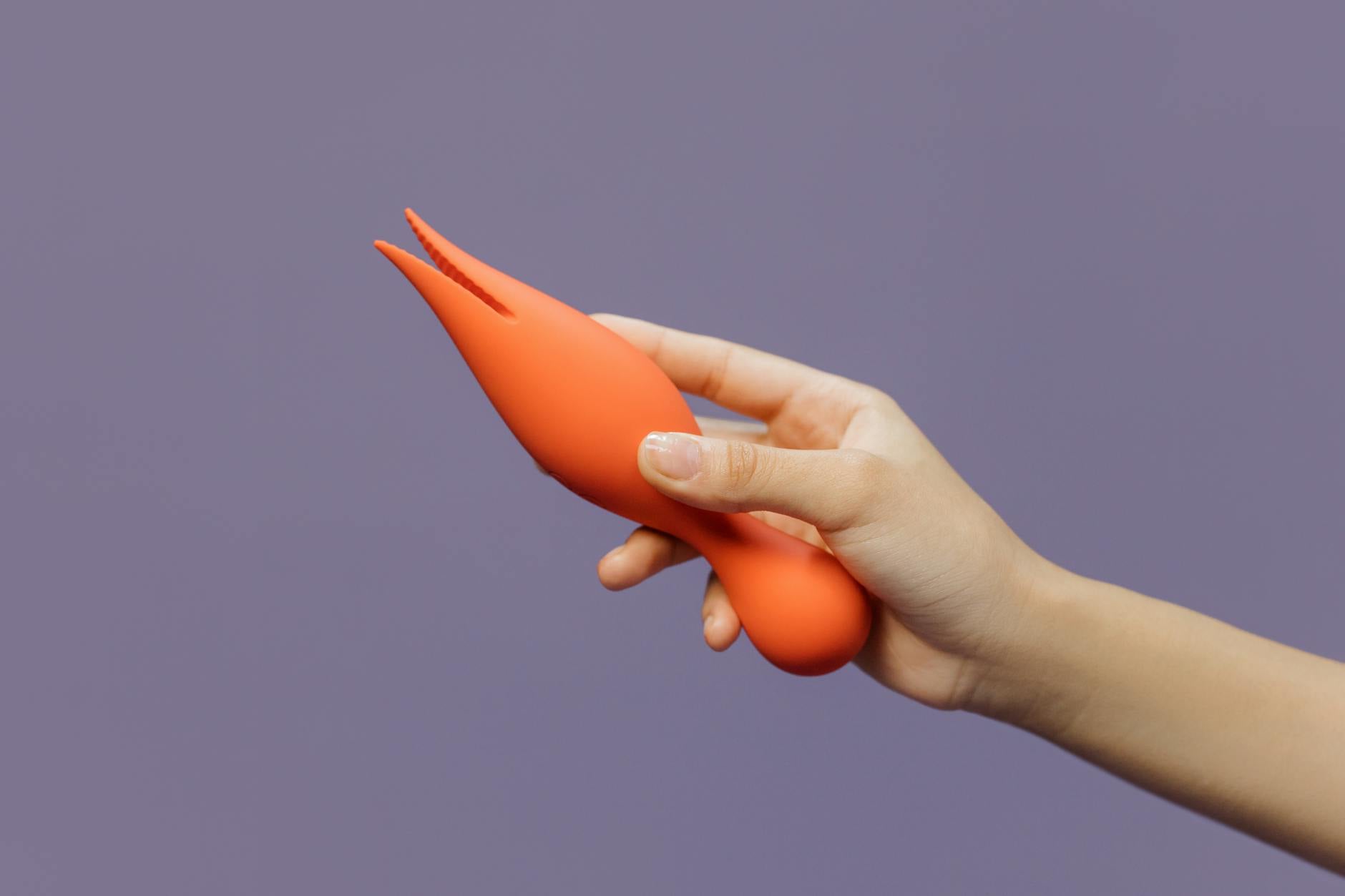
How Lemon Vibrators Improve Sensation During Vulvodynia and Nerve Pain
Let's be honest: when vulvodynia or chronic vulvar pain enters the picture, pleasure feels like a luxury you've surrendered. It isn't. What you need is different from what the pre-pain version of you needed, but rebuilding sensation and intimacy is entirely possible.
Vulvodynia affects roughly 16 percent of people with vulvas at some point in their lives. The pain can feel sharp, burning, or raw. It can be constant or triggered by touch, pressure, or intercourse. And here's what most people don't realize: the right vibration patterns can actually help retrain your nervous system's response to touch, reduce pain over time, and most importantly, help you reconnect with pleasure without fear.
I've worked with dozens of couples navigating this transition. The couples who succeed are the ones who approach vulvodynia as a problem to solve together, not as something that ends intimacy. Lemon clitoral vibrators, used thoughtfully, can be part of that solution.
Why vibration works differently with vulvodynia
Here's the neurology in plain language. Vulvodynia happens when nerves in the vulva become hypersensitive. Touch that should feel good registers as pain instead. Direct pressure often makes it worse. But vibration is different from pressure.
Vibration floods the same nerve pathways with rapid, rhythmic input. Your nervous system can only process so much sensory information at once. When those pathways are busy with vibration, they have less capacity to register pain. It's called gate control theory. It's been studied for decades. It works.
Lemon vibrators are particularly useful because air-suction patterns (the hallmark of products like the Lem) provide stimulation without sustained pressure. They create a gentle pulsing sensation rather than grinding friction. For vulvodynia, that distinction matters enormously.
Starting with the gentlest patterns
If you've been avoiding touch because of pain, your first instinct will be caution. That instinct is correct.
Start with the lowest setting. Most lemon sexual toys have 5-8 intensity levels. Spend a full week on level 1 or 2. Your goal isn't orgasm yet. Your goal is teaching your nervous system that this particular vibration is safe. That it doesn't hurt.
Three ten-minute sessions per week is a solid baseline. Not daily. Frequent, sustained exposure to vibration can paradoxically increase nerve sensitivity in some people with vulvodynia. Spacing it out allows your nervous system to process and recalibrate between sessions.
The pattern matters too. Many lemon adult toys offer steady modes and pulsing modes. With vulvodynia, pulsing often feels gentler than steady vibration because it gives your nerves micro-breaks. Rhythm creates safety. Your body learns that the sensation will pause, reset, and continue. That predictability helps.
Building a map of what feels good
Vulvodynia affects different areas differently. Some people have pain across the entire vulva. Others experience it in specific zones: the entrance, the clitoris, or the inner labia. Your pain map is unique to you.
As you progress through the lower settings, start noticing where vibration feels supportive versus triggering. You might discover that one area of your vulva responds beautifully to the Lem while adjacent tissue still feels raw. That's incredibly useful information.
Keep a simple log if it helps. Date, setting level, duration, location, and how it felt. Not medically, just emotionally. "Safe." "Still tender." "Warm." "Tingly in a good way." Over three to four weeks, patterns emerge. Your body is learning to differentiate vibration from pain. Your mind is learning to anticipate safety instead of bracing for hurt.
When a partner is in the picture
Vulvodynia often creates relational friction. Intercourse becomes fraught with anxiety. Partners worry about causing pain. People with vulvodynia often feel broken, or worry they're failing their partner. Both narratives are understandable and both are usually wrong.
If you have a partner, this transition is a conversation before it's anything physical. The conversation sounds like: "I want to rebuild sensation and pleasure in a way that feels safe for my body. I need to do this slowly, and I need you to understand that this isn't about you or about your desirability. This is me reconnecting with myself."
That conversation shifts the frame from "my partner can't satisfy me" to "we're solving this together." And then? A lemon clitoral vibrator becomes a tool you explore together. Your partner might be present during sessions. They might hold you afterward. They might simply know what you're working on and feel invested in your success. The presence matters more than the activity.
Progressing to higher settings (if and when)
Most people with vulvodynia don't need to move past level 3 or 4 on a lemon sucker device. Enough vibration to feel good is often a gentle, medium intensity. Some people do progress to stronger settings as their nervous system becomes more resilient. The key is you set the pace.
Don't push because you think you should. Your nervous system will tell you when it's ready. The sign is usually that lower settings start feeling slightly too mild. Not painful, just less interesting. That's when you might try level 4. Use it for a few sessions. If it feels good, stay there for a while. If it feels like too much, dial it back. There's no finish line.
When orgasm returns (and it usually does)
One of the things I tell couples is this: vulvodynia doesn't permanently eliminate orgasm. It pauses it. Interrupts it. But with patience and the right approach, it comes back.
Orgasm might feel different when it returns. It might be smaller, quieter, more localized than before. That's okay. That's actually neurologically common after any period of pain. Your body recalibrates. Over time, sensation often expands again.
Using lemon vibrators during this recalibration accelerates the process because you're actively training your nervous system to experience pleasure safely. Each session is literal retraining. You're creating new neural pathways that say, "This touch is safe. This touch brings good sensation."
What requires specialist input
If vulvodynia pain is severe, getting worse, or hasn't improved after eight weeks of gentle vibration work, see a vulvovaginal pain specialist or a physical therapist trained in pelvic floor dysfunction. Vulvodynia is a medical condition. Vibration can help manage it, but it's not a replacement for proper diagnosis and care.
Similarly, if you develop new symptoms while exploring vibration (increasing numbness, spreading pain, or a sudden shift in sensation), that's worth discussing with your doctor. Your body is communicating. Listen to it.
The deeper shift
Here's what I've noticed after years of working with couples navigating chronic pain and pleasure: rebuilding sensation with something like a lemon vibrator isn't just physical. It's a statement. You're saying, "My pleasure matters. My body deserves care. I'm worth the time this takes."
That mindset shift often matters as much as the vibration itself. And your partner noticing that you're claiming your pleasure back? That often becomes the real turning point in intimacy. Because desire gets sparked not just by touch, but by seeing your partner choose themselves.
People also ask
Can I use a lemon vibrator if vulvodynia is severe?
If you're in acute pain right now, start only under guidance from a vulvovaginal specialist or physical therapist. Once pain is slightly more stable (even if it's not gone), very gentle vibration on the lowest setting can help. The key is checking in with yourself and being willing to pause if anything feels destabilizing. A specialist can help you time it correctly.
How long does it take for vibration to help vulvodynia?
Most people notice a shift in 4-6 weeks of consistent, gentle practice. That might be a small reduction in background pain, or an increase in the areas that feel okay to touch. Full symptom improvement varies widely. Some people see dramatic change in 8-12 weeks. Others take longer. Consistency matters more than speed.
Does vulvodynia come back after it improves?
Vulvodynia can flare. Stress, hormonal shifts, new relationship dynamics, or medical changes can reactivate it. But once you've rebuilt sensation and learned what works, you have tools. Returning to gentle vibration work usually helps settle a flare more quickly than dealing with the initial onset.
Can using a lemon clitoral vibrator make vulvodynia worse?
If you start too intense or too frequently, yes, you can temporarily increase sensitivity. That's why the progression is so important. Too much sensation input can overwhelm an already-sensitive nervous system. Slow and consistent wins. If you try something and it doesn't feel right, dial back or pause for a few days.
Should my partner be involved in using a lemon vibrator for vulvodynia?
That's entirely your call. Some people prefer to explore alone first, to build their own confidence without an audience. Others want their partner present because the relational reassurance matters. Both approaches work. Just be clear about what you need before you start.
Is vibration safe to use alongside vulvodynia medication or treatment?
Generally, yes. Topical treatments, nerve medications, and physical therapy all work well alongside gentle vibration. But if you're on a specific pain management protocol, mention the vibration work to your doctor or specialist. They might have timing recommendations or specific cautions based on your situation.
Next steps
Vulvodynia isn't a character flaw. It's not a sign that pleasure is over for you. It's a condition your nervous system is navigating, and your nervous system learns. Slowly, gently, with the right tools and support, sensation comes back.
If you're just starting to explore how lemon vibrators might help your specific situation, or if you're working through this with a partner and aren't sure how to talk about it, the team at Lemon Suckers can help. Reach out to us. We've built our whole brand on the premise that pleasure is for everyone, including people navigating pain.
Learn more about choosing the right vibrator for your body, or get in touch with any questions.