Here's what nobody tells you about desire mismatch
One of you wants sex three times a week. The other wants it once a month. You're not incompatible. You're not broken. You're also not having the sex conversation you think you're having.
The real issue isn't frequency. It's resentment, autonomy, and whether both of you feel seen. That distinction matters because trying to fix a desire mismatch by just having more sex almost always makes it worse.
Why desire mismatch happens (and why it's not your fault)
In long-term relationships, libido naturally diverges. One partner's job gets busier. One of you gets older and hormones shift. One partner deals with depression, anxiety, or medication side effects. One of you is touched out from kids or caregiving. One of you is grieving, stressed, or just less interested in penetrative sex while still being interested in touch.
The partner with higher desire interprets this as rejection. The partner with lower desire feels guilty, pressured, and resentful about being made to feel broken. Both of you dig in. The conversation becomes an argument about fairness instead of a conversation about what you each actually need.
Here's the thing that shifts everything: desire mismatch is not a problem to solve. It's a reality to manage together.
Why lemon vibrators change the dynamic
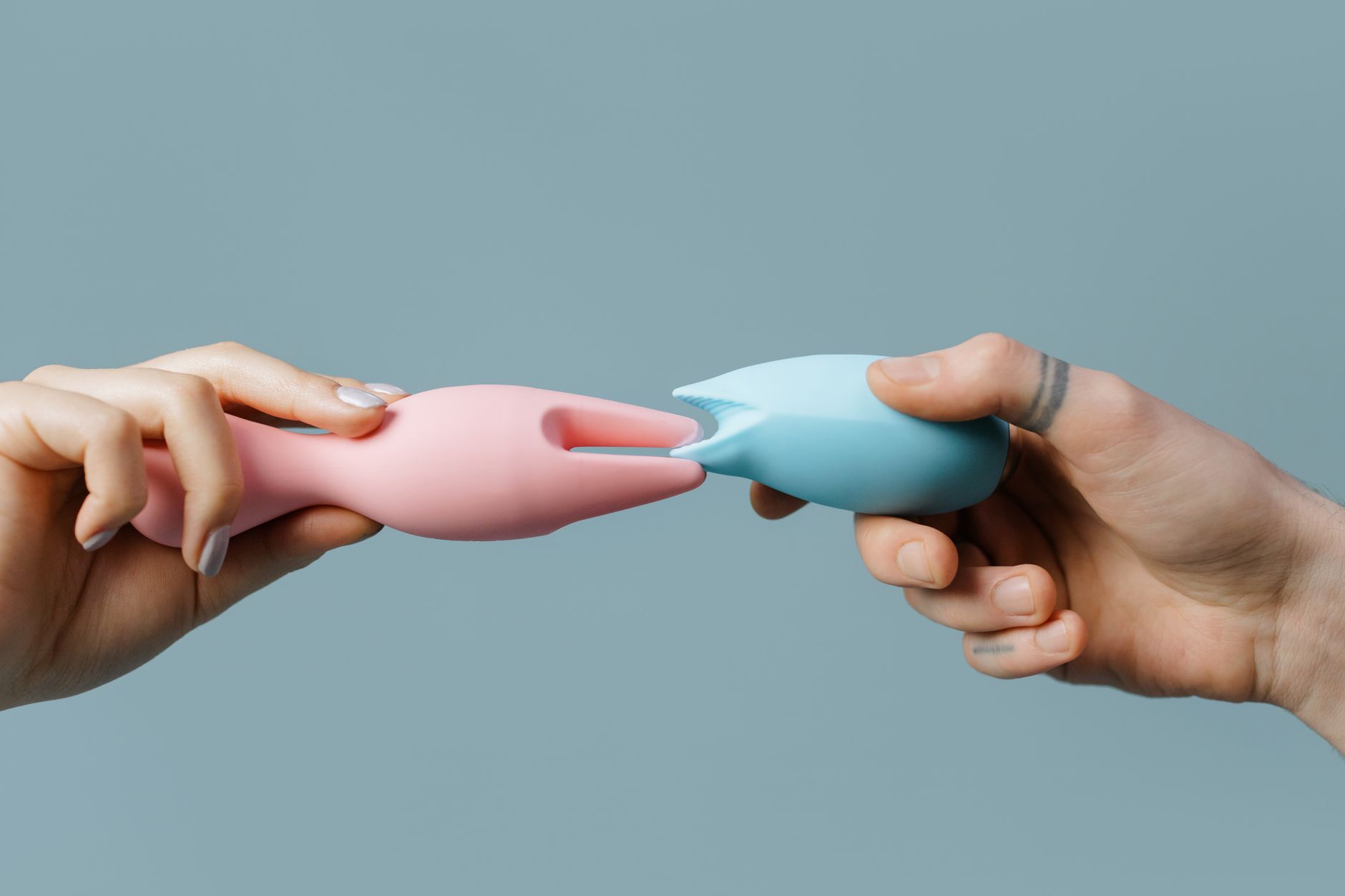
A lemon clitoral vibrator like the ones we make at Lemon Suckers does something counterintuitive. It doesn't replace partnered sex. Instead, it creates a third option. That option breaks the binary of "we have sex or we don't," which is where most resentment lives.
Instead of the conversation being "you never want me," it becomes "how do we both get what we need without forcing the other to perform?" A lemon vibrator lets the higher-desire partner have an orgasm, pleasure, and release without requiring the lower-desire partner to be someone they're not in that moment.
This is not a consolation prize. It's a real solution because it stops making one partner's pleasure dependent on the other's willingness.
The actual way to use a lemon vibrator when desire mismatches exist
First, you have to separate two conversations that are currently tangled together. Call one "the frequency conversation" and one "the pleasure conversation."
Frequency conversation: How often does each of you want sex or sexual touch? Not how often you think you should. How often would make each of you feel connected and satisfied? Start there, without shame, without negotiation. Just facts.
Pleasure conversation: What does pleasure look like when you're alone? What does it look like when you're with your partner? These are not the same thing and don't have to be.
Once you've named those separately, a lemon vibrator becomes useful. The higher-desire partner can use it solo when they need release and their partner genuinely isn't available. No guilt. No pressure. No waiting for permission that might never come.
The lower-desire partner gets to say yes to partnered touch without it automatically meaning full sex. They can use a lemon vibrator together without the weight of having to perform a specific way or reach a specific outcome.
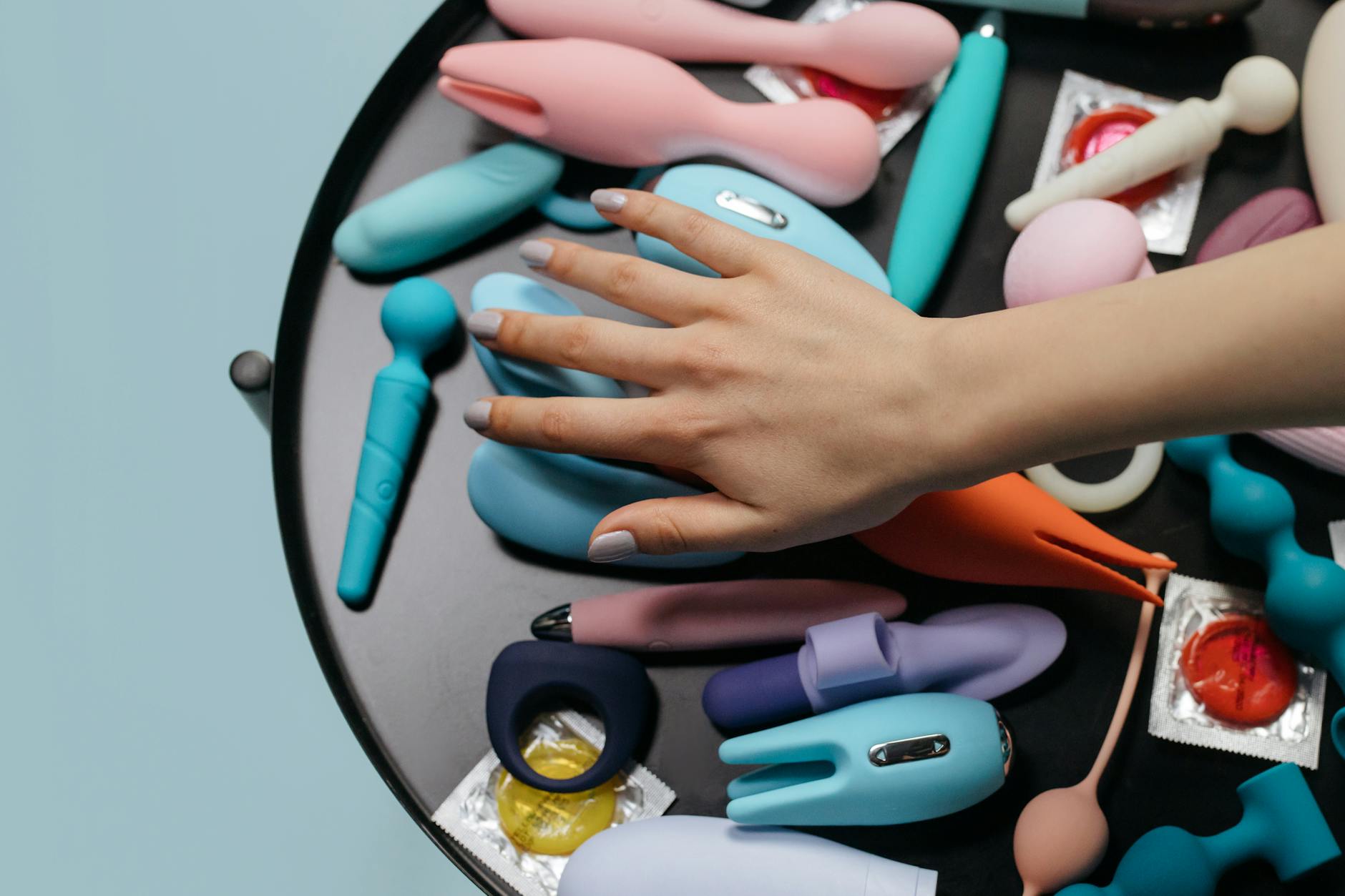
Photo by cottonbro studio on Pexels
The hard part: talking about it without shame
Most couples never actually say this out loud. The higher-desire partner doesn't want to suggest using a toy because they think it means their partner will feel inadequate. The lower-desire partner doesn't bring it up because they think it will feel like pressure to do more.
The conversation usually sounds like this in your head: "If I suggest a vibrator, they'll think I'm saying they're not enough." Then nobody says anything. The tension stays.
Here's what actually happens when you say it out loud: "I want us both to feel good. I know you're not interested in sex tonight, and that's fine. I'm interested in some pleasure, though. Would it feel okay if I used a lemon vibrator? You don't have to do anything." That's the whole thing. No performance. No obligation. No one losing.
For some couples, the lower-desire partner decides they want to be there while their partner uses a vibrator, just as presence. That can be deeply intimate. For others, they choose not to be involved, and that's fine too. The point is autonomy without abandonment.
Lemon clitoral vibrators work particularly well in this scenario because they're quieter, faster, and more direct than a lot of options. The Lem, for instance, uses suction technology that bypasses a lot of the stimulation intensity issues that come with penetration-based toys. You get pleasure without the prep, without the pressure, without requiring someone else's body to cooperate.
What changes when you actually do this
I've worked with dozens of couples where introducing individual pleasure tools (often alongside honest conversation) completely shifted the dynamic. The frequency didn't change much. Maybe it did, maybe it didn't. But the resentment did.
Here's what typically happens:
The higher-desire partner stops seeing their partner's lower desire as rejection. It's just a difference, not a problem. They get their release without waiting for permission that might never come. That removes a huge amount of emotional weight from the relationship.
The lower-desire partner stops feeling guilty. They're not withholding or failing. They're being honest about what they want, and their partner is finding ways to get their needs met without making them perform. That's actually hot for a lot of people. Seeing your partner have pleasure without pressure often increases desire over time, not as obligation but as genuine attraction.
The relationship stops being about sex and becomes about partnership again.
When it doesn't work (and what to do instead)
Sometimes a couple is using a vibrator as a band-aid on a wound that needs actual attention. If one partner is genuinely checked out of the relationship, a lemon vibrator isn't going to fix that. If there's infidelity, contempt, or broken trust underneath the desire mismatch, you need a couples therapist before you need a toy.
But if the desire difference exists without those bigger issues, if you're both still committed and just mismatched in frequency, a vibrator becomes a tool for honesty instead of hiding.
Some couples also discover that when the lower-desire partner isn't being pressured, their actual desire increases. Sometimes it doesn't, and they're truly happy with a lower frequency. Both outcomes are fine. The point is finding out what's real instead of what's reactive.
How to actually introduce this to your partner
Don't start with the vibrator. Start with the conversation. "I feel resentment sometimes about how often we have sex. I don't think that's fair to you, and I don't like how it feels between us. I want to find something that works for both of us." That's the opener.
Listen to what they say back. Don't defend. Don't explain. Just listen. Then: "I've been thinking we could both get our needs met in different ways sometimes. Would you be open to that?" If yes, then you can bring in the idea of tools.
If they're curious, show them what a lemon clitoral vibrator actually is. Talk about what you'd use it for. Be specific and unsexy about it. "I'd like to use this solo sometimes when I'm in the mood and you're not. It's not instead of us. It's just another option."
Give them space to feel whatever they feel about it. Some partners are immediately relieved. Some need time. Some people never come around, and that's information too.
What matters is that you're not hiding. You're not using a vibrator in secret and feeling ashamed. You're saying, "This is part of my pleasure, and I want you to know about it."
The reframe that changes everything
Here's what I tell couples: your different desires are not a failure. Your willingness to find a solution that lets both of you be honest about what you want is the whole game.
Using lemon vibrators when desire mismatches exist isn't about compromise. It's about both people getting to be fully themselves without resentment. That's the relationship part. The vibrator is just the tool that makes it possible.
People also ask
Is using a vibrator while partnered cheating or unfaithful?
No. If you've talked about it and your partner knows, it's not cheating. Cheating is deception. Using a vibrator openly, with your partner's knowledge, is honest and transparent. It's actually the opposite of betrayal. Some couples use vibrators together as part of their partnered sex. Some use them solo. Both can be healthy depending on what you've agreed on.
Will my partner think I don't find them attractive if I use a lemon vibrator?
They might worry about that at first, which is why the conversation matters so much. The fact is, a vibrator is a tool that does something your hand or their hand can't do. It's not a replacement for them. It's an addition. You can also use a vibrator together, which can actually deepen intimacy because you're both focused on shared pleasure instead of performance.
What if my partner doesn't want me to use a vibrator?
That's important information. Ask why. Is it insecurity? Is it a values thing? Is it a control thing? The reason matters. If it's insecurity, you can probably work through it with conversation and maybe showing them the device. If it's control, that's a bigger relationship issue that might need professional support. Your pleasure matters. A partner who wants to restrict your solo pleasure might have other boundary issues worth exploring.
Can a lemon clitoral vibrator help if we're drifting apart generally, not just around sex?
A vibrator isn't going to fix a disconnected relationship. But it can help if the disconnection is partly due to resentment about sex and desire mismatch. If you're drifting for other reasons (poor communication, different life goals, infidelity), you need actual couple's work. A vibrator can support honesty within a relationship that's already committed to reconnecting, but it's not the solution by itself.
How do I know if my partner would be open to using lemon vibrators together?
You ask. "I've been thinking about ways we could both feel more pleasure together. I found this vibrator. Would you ever be interested in trying something like that?" Their response tells you a lot. If they're interested, great. If they're not, ask why. If they're uncomfortable, respect that and maybe revisit in a few months. If they're offended, that might indicate a deeper issue with sexuality or control in your relationship.
What if we have mismatched desires and we've already tried everything?
If you've had honest conversations, tried using vibrators, explored different rhythms and types of touch, and the desire gap is still creating real resentment, that's when couples therapy is valuable. Sometimes desire mismatch is about relationship issues that need professional support. Sometimes it's about individual issues like depression, medication, or sexual trauma that require personal therapy. Sometimes it's just incompatibility. All of those are fixable or manageable, but not always by yourself.
What comes next
If you're in a long-term relationship where desire mismatches are creating tension, start by having the conversation without the toy. Get curious about what each of you actually wants. Then, if you both feel open to it, explore whether a lemon vibrator might help you both get your needs met without resentment.
Your different desires don't mean your relationship is failing. They mean you're human. How you handle them is what determines whether you stay connected or drift apart. Honesty, autonomy, and a willingness to find solutions that work for both of you. That's the thing that actually holds relationships together.
If you want to talk through how to approach this conversation with your partner, we're here to help. Reach out.