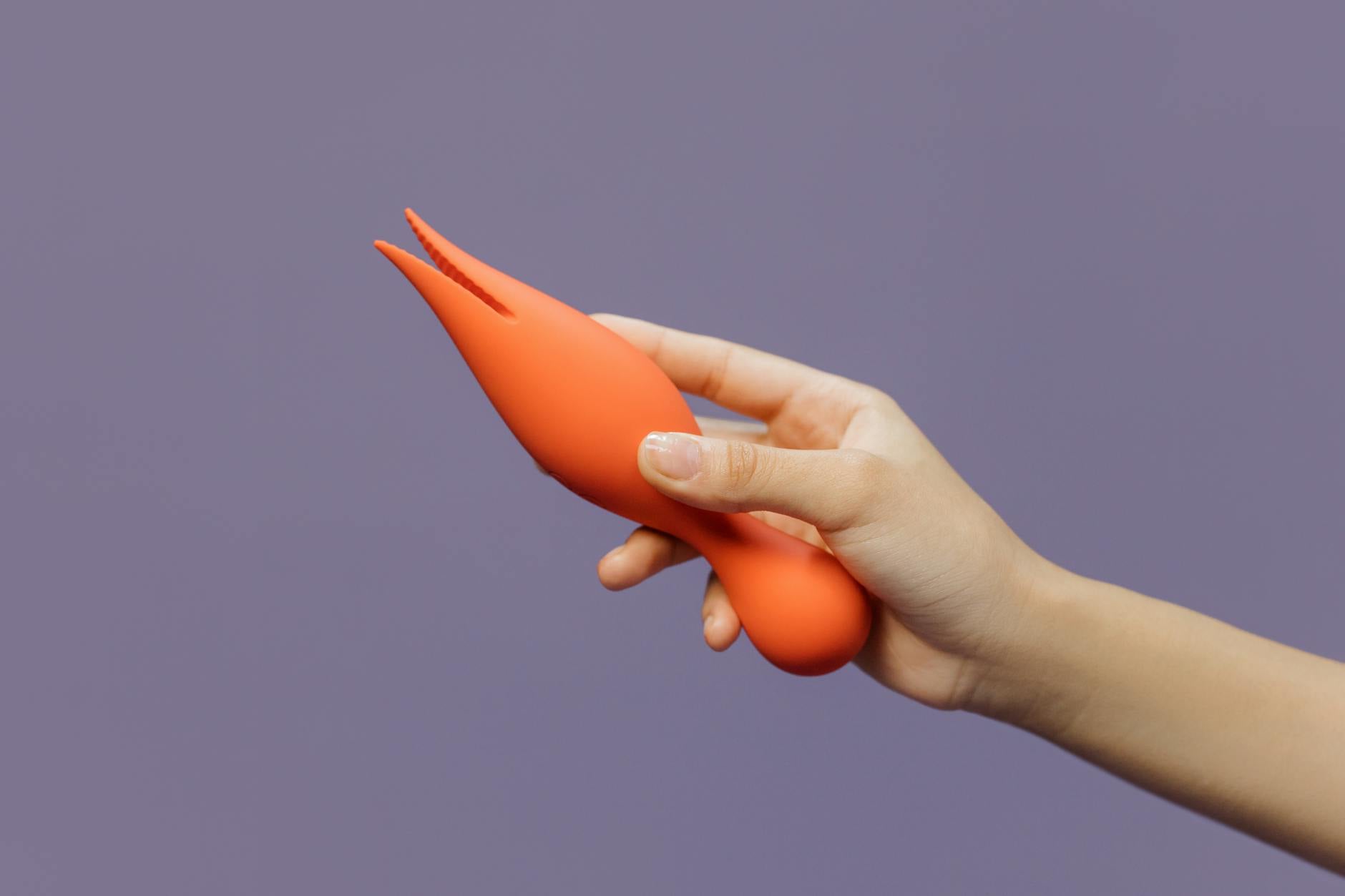
The thing nobody tells you about vibrator settings
You are not a standard vibrator user. Your body is not a checkbox on a spec sheet. Yet most people approach a lemon vibrator like it comes with one correct way to use it. Hit speed 5. Done. Except that doesn't work, because tissue sensitivity, nerve distribution, hormonal fluctuation, and even your caffeine intake that morning all shift how intensity feels on your body.
The real move is knowing which speeds actually match your baseline and then having a system for adjusting when your body changes.
Why speed matters more than you think
Speed is not just volume cranked up. Speed is rhythm. Rhythm signals your nervous system differently than intensity alone. A sustained high speed floods your sensory nerves and can lead to numbness (which you're trying to avoid). A lower speed with intentional pauses and pattern variations keeps your nerves responsive and engaged over longer sessions.
With a lemon clitoral vibrator, you're working with air-suction technology, which means speed controls not just frequency but also pressure intensity. Lower speeds (1-3) deliver gentler suction pulses. Mid-range speeds (4-7) are where most people find sustained pleasure without the hard edge. Higher speeds (8+) are threshold territory for most bodies.
The trick is that "most people" is meaningless data for your body.
Tissue sensitivity: the foundational factor
Your clitoral tissue has nerve density comparable to the fingertips. But thickness and resilience vary. Thinner, more delicate tissue needs lighter speeds. Thicker tissue with fewer nerve endings often prefers mid to higher intensity.
How do you know which you have? Honestly, you probably already do. Think about your non-sexual touch preferences. Do you prefer firm massages or light-touch ones? Do you like a firm grip or a gentle hold when someone holds your hand? That preference tends to track with clitoral sensitivity, though it's not a perfect predictor.
Another clue: pain response. If you've ever felt sharp, almost electric sensitivity during sex, you likely have more delicate tissue. If your threshold for pressure is high (firm handholding feels good, light touching feels too ticklish), you probably prefer mid-range speeds on a lemon vibrator.
Start conservatively and move up, not the other way around. You can't un-numb tissue quickly, but you can always increase intensity next session.
Hormonal fluctuation and why your "usual speed" changes
Estrogen thickness vaginal and clitoral tissue and increases blood flow to the area. Progesterone has the opposite effect. If you menstruate, your ideal speed probably shifts across your cycle. Right after your period, when estrogen is climbing, you might find that speeds 1-4 feel perfect. Mid-cycle (ovulation), you might go up to 5-6. The luteal phase (second half of your cycle) often feels tender, so backing down to 2-4 makes sense.
You don't need to obsess over this. Just notice if your usual speed suddenly feels wrong. It probably means your hormones shifted. Adjust accordingly and move on.
If you're on hormonal birth control, your tissue sensitivity is more stable month-to-month, though it may still be slightly lower than people with natural hormonal cycles. How Lemon Vibrators Feel Different After Hormonal Changes dives deeper into this.
Age and tissue changes
Tissue tends to get firmer and slightly less sensitive with time. A speed that felt intense at 28 might feel mild at 48. This is normal. It's not an emergency or a sign you're "less sensitive." It's a shift in tissue quality.
The other wrinkle is that libido and desire sometimes increase with age (stress goes down, self-knowledge goes up), even as tissue changes. You might actually enjoy sex more while needing slightly higher intensity settings to feel the same sensations. That's not a contradiction. That's maturity.
For people in their 40s and beyond, I often recommend starting at speed 3-4 rather than 1. You'll skip a lot of time in the "searching for stimulation" zone and get to pleasure faster. And yes, lemon vibrators work beautifully for this. How to Use Lemon Vibrators for Clitoral Orgasms After 40 has more specifics.
Medication and speed sensitivity
Several common medications shift clitoral sensitivity. SSRIs and SNRIs (antidepressants) can reduce sensation. Antihistamines can dry tissue slightly. Blood pressure medication might reduce overall genital blood flow.
If you've recently started a medication and your usual settings feel wrong, that might be why. Talk to your doctor about whether a different timing or dose helps. And in the meantime, you might find speed 5-7 works better than your previous 3-4. It's not weakness. It's just adjustment.
Building a personal speed reference chart
Here's a practical framework. Test three sessions with three different speed zones. Use a journal or a note on your phone.
Session 1: Low-speed exploration Use speeds 1-3 for 10 minutes with no goal other than noticing sensation. Write down how it feels. Intense? Barely there? Right amount? Frustrating? Keep going until you have a clear sense.
Session 2: Mid-range focus Use speeds 4-7 for 10 minutes. Same process. Which speed in this range feels like your sweet spot?
Session 3: High-speed test Use speeds 8+ for 5-7 minutes only. This is threshold territory. Does this feel amazing or too much? Where's your comfortable ceiling?
After three sessions, you'll have a real map of your body. My guess: you'll find one speed zone that feels genuinely good and sustainable. That becomes your baseline. Everything else is variation.
Why you might need different speeds for different outcomes
Speed changes based on what you're after. Exploring sensation and building arousal? Lower speeds (2-4) keep you engaged without overwhelming your nerves. Heading toward orgasm? You might want to climb into mid-range (5-7) for intensity and control. After orgasm, if you want to keep going, sometimes backing down to 3-4 helps extend pleasure without overstimulation.
This is not a rule. This is just pattern observation from thousands of hours of conversations with partners about what works. Your body might have a totally different rhythm. The point is to experiment and notice, not to follow a script.
When numbness means you need to adjust speed
If you've been using the same speed for weeks and suddenly sensation flattens, you have two options. First, take a break. Three days off resets your nerve responsiveness significantly. When you come back, start at a lower speed (one notch down from your usual) and rebuild.
Second, if you want to keep using your lemon vibrator regularly, alternate speeds in the same session. Spend 5 minutes at speed 4, then drop to 2 for two minutes, then back to 5. The variation keeps your nerves engaged. Best Lemon Vibrator Patterns for Building Clitoral Sensitivity has much more on this specific strategy.
The role of lubrication in perceived speed
This seems small but matters more than most people realize. With good lubrication, lower speeds feel more intense (the glide is smoother). Without it, even high speeds feel scratchy and uncomfortable.
Water-based lubricant is your friend here. It's compatible with silicone toys, it won't degrade over time, and it makes the entire experience better. This is not optional. This is foundational setup.
If you're using a lemon vibrator and thinking "I need higher speeds to feel anything," your first move should be "add more lube," not "crank it to 9."
Speed settings if you're using your vibrator with a partner
Communication is the only thing that matters here. If your partner is helping, tell them your sweet spot speed. Don't assume they'll guess. "I like it around 4 or 5" takes three seconds and saves 20 minutes of awkward guessing.
If someone is new to using the lemon vibrator on you, consider starting one notch lower than your usual solo speed. It feels different (angle, pressure, rhythm are all slightly changed when someone else is holding it), and you can always ask them to increase.
FAQ: Speed, sensitivity, and your lemon vibrator
What's the difference between a speed setting and a pattern on my lemon vibrator?
Speed is straight intensity. Pattern layers rhythm on top of intensity. A pattern might pulse: intense, softer, intense, softer, repeat. Speed just holds steady. Both matter. Most people do better with a combination.
Can I damage my tissue by using speeds that are too high?
Damage is possible but rare with modern vibrators like a lemon clitoral vibrator, which uses air suction rather than pure vibration. The real risk is temporary numbness (desensitization), not tissue injury. That's reversible in days. If you ever feel sharp pain (not pressure, not intensity, but sharp), stop and take a break. That's your body saying "too much."
Will I need higher speeds over time?
Maybe. Tissue can adapt to stimulus, which is why some people find their usual speed feels mild after months of regular use. This is normal adaptation, not weakness. The fix is usually pattern variation or regular breaks, not constantly cranking the speed up. Taking three days off every month resets your baseline.
Does my partner's speed preference matter if I'm using my vibrator during sex?
Your pleasure is the priority here. If your comfortable speed is 3 and your partner prefers you use 7 for some reason (which would be weird, but theoretically), your speed matters more. This is your body. Use what feels good. If your partner has an issue with that, that's a conversation to have outside the bedroom.
How do I know if I'm using the wrong speed?
You'll feel one of three things: frustration (too low), numbness (too high or sustained too long), or pleasure. Trust pleasure as your metric. If it feels good, you're using the right speed.
Can speed settings help with sensitivity loss after menopause?
Yes. Tissue changes after menopause usually means you need slightly higher intensity than before (because tissue is thinner and blood flow decreases). Speeds 4-6 are often the sweet spot for this phase. Lubrication matters even more. And yes, a lemon vibrator's gentler suction pressure is often better than pure vibration for post-menopausal tissue.
The real takeaway
Your ideal speed is not a mystery to solve. It's a preference to discover through gentle experimentation. Start low, notice what feels good, adjust based on how your body changes, and don't overthink it.
The lemon vibrator was designed to give you real control. Use that control to map your own pleasure, not to hit some imaginary performance target.
If you're still figuring out what works for you or want to talk through your specific setup, reach out to us. We're here to help.