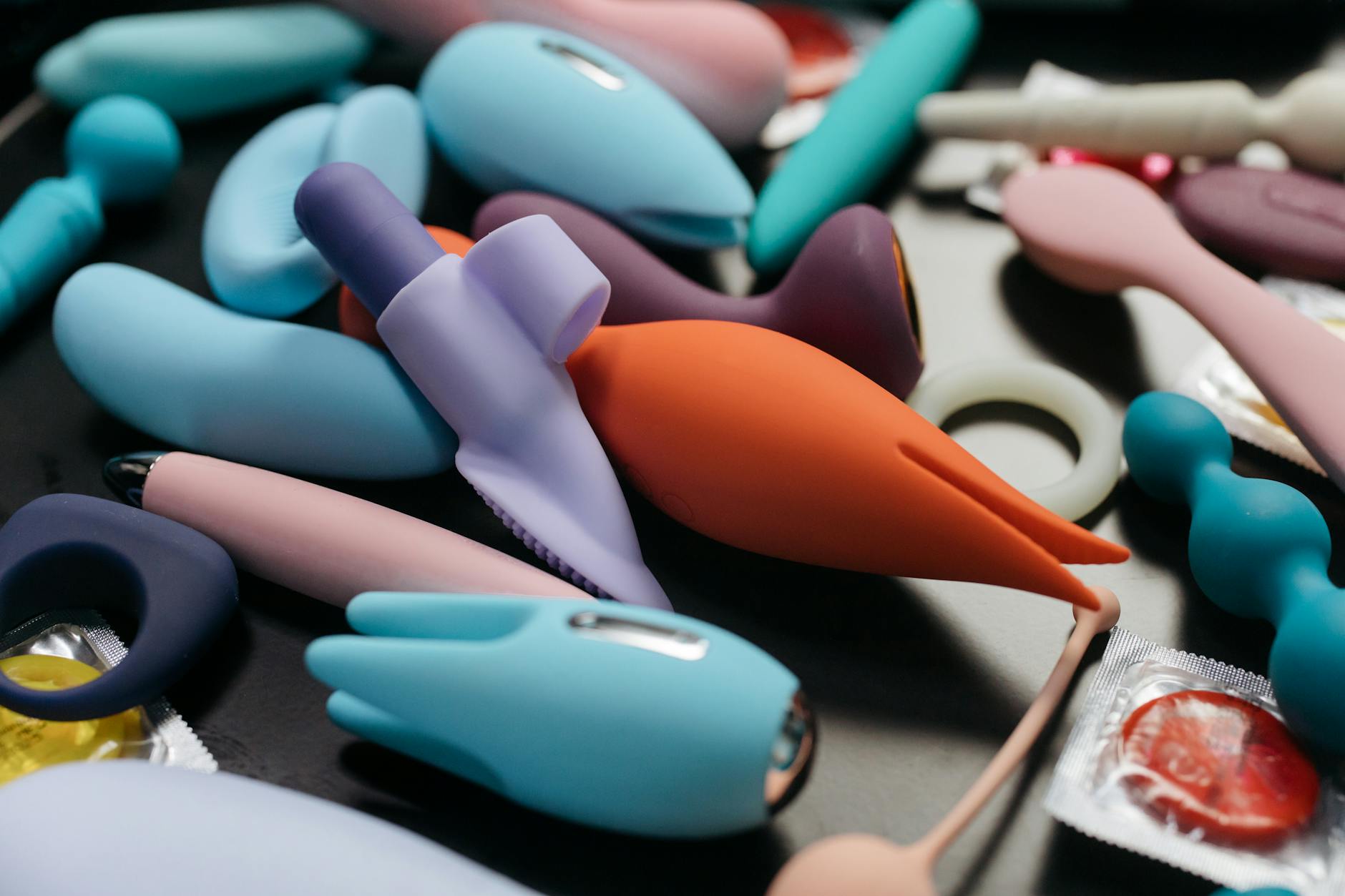
Here's the thing about vibrator intensity
One of the most common problems I hear from couples is this: one partner wants to use a lemon clitoral vibrator or other sex toy together, and the other partner is overwhelmed by how strong it feels. Not in a painful way. In a "that's way too much" way. Their nervous system just doesn't want to be hit with that much sensation all at once.
This isn't a compatibility problem. It's a settings problem. And honestly, it's fixable in about ten minutes.
Why partners find vibrators too intense
Intensity isn't just about the motor. It's about three things happening at once: the vibration frequency, the surface area making contact, and the duration of stimulation. A lemon sucker like the Lem delivers sustained pulses of pressure. If someone's used to lighter touch or manual stimulation, that can feel aggressive even on pattern one.
Some people also have what's called sensory sensitivity. Their nervous system processes sensation more acutely. Bright lights feel brighter, certain textures feel itchy, and yes, vibrations feel like more vibration. This is neurological, not psychological. They're not broken. They're just built that way.
Other times it's about control. If a partner is used to dictating pace and pressure during sex, handing that control to a machine can feel destabilizing. The toy does what it does regardless of what they want in that moment.
Start with the right lemon vibrator patterns
Not all vibrators are equal. The Lem vibrator, for instance, works through gentle suction and pulse patterns rather than harsh buzzing. The base rhythm is already softer than a standard buzzing vibrator. But there are still settings to understand.
Most lemon sexual toys have between three and ten distinct patterns. If your partner's overwhelmed, don't start with "pattern three." Start with pattern one or two. And I mean genuinely the softest option available.
Think of it like adjusting shower water pressure. You wouldn't turn it to halfway and then hand someone the showerhead, telling them it's "not that bad." You'd start with a trickle and let them find their comfort zone.
If even pattern one feels too much, lower the intensity by reducing contact. Instead of placing the toy directly where they want sensation, try using it through fabric first. A thin cotton layer between the toy and skin dampens vibration without removing it entirely.
Positioning changes everything
Here's what most people miss: you can control intensity by changing where the toy makes contact. The clitoral head has different sensitivity zones. The shaft is typically less sensitive than the glans. The mons pubis (the mound of tissue above the clitoris) can handle strong sensation that the clitoris itself can't.
Try these positioning strategies with your partner:
Start on the mons pubis or upper labia. The sensation carries down without direct pressure. Move down gradually. Let your partner signal when they want to shift. Spend time on the outer labia before moving inward. Use a glancing motion instead of direct pressure. Think of it as painting across the area rather than drilling into one spot.
Duration matters too. Instead of holding the toy in one place for minutes, try a pattern: ten seconds of contact, ten seconds of break. This gives their nervous system time to process without becoming overwhelmed.
The conversation that actually works
This is the part most couples skip, and then they blame the vibrator instead of the communication. Here's what I recommend saying:
Not: "You're too sensitive for toys. Maybe you're just not a vibrator person."
Yes: "I want to use this together in a way that actually feels good for both of us. That means finding settings that work for your body, not mine. Let's experiment and you tell me what sensation level feels good."
Then actually listen. If they say "that's still too much," don't negotiate. Don't convince them it's "not that bad." Just lower it further. Your partner's comfort isn't a hurdle to overcome. It's the baseline.
Also ask directly: Is it the vibration that's too much, or the idea of using a toy? Is it the physical sensation, or is it something about giving up control? These are different problems with different solutions.
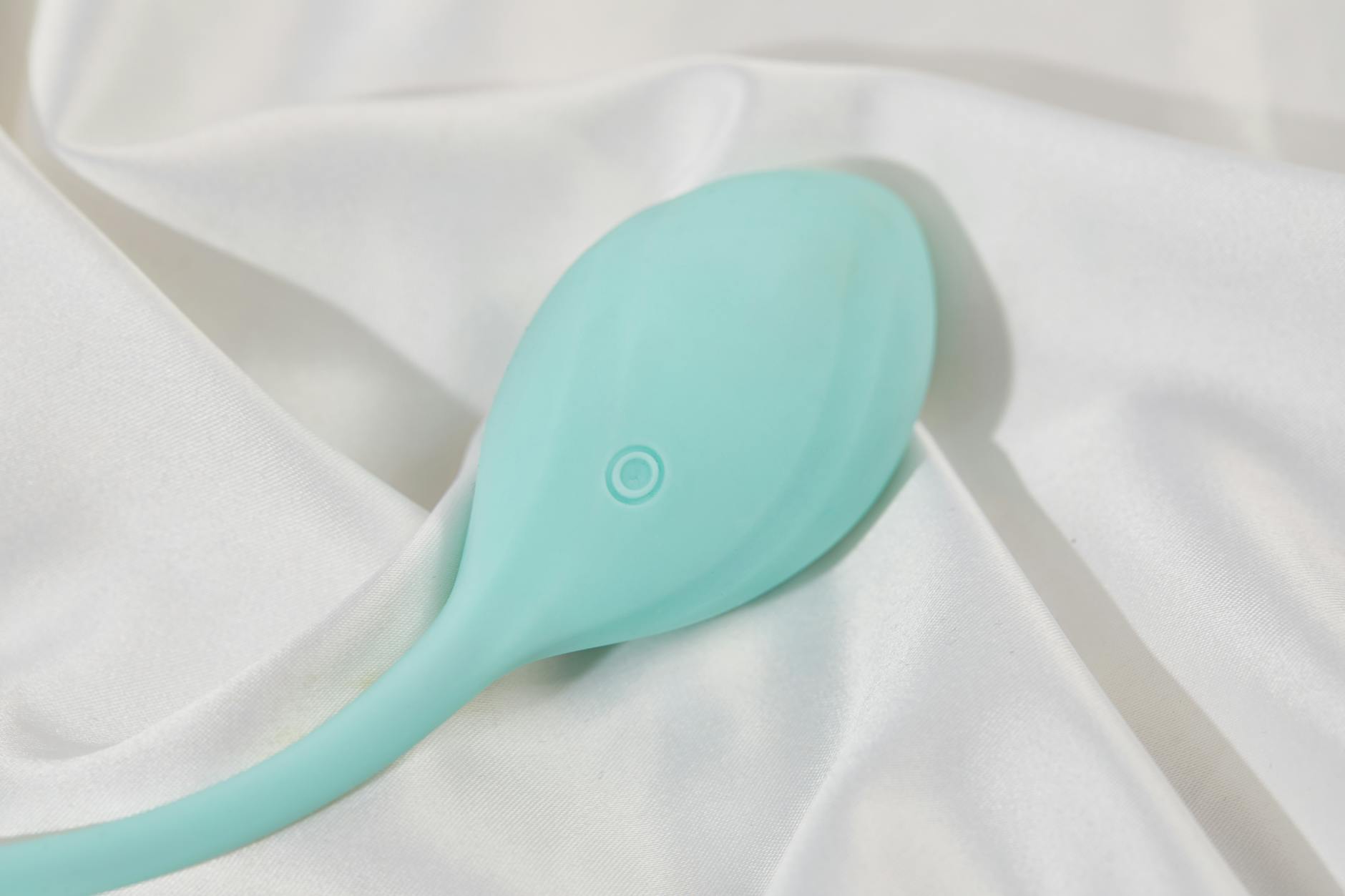
Photo by IFONNX Toys on Pexels
Build intensity gradually over time
This is crucial and almost universally underestimated. You're not trying to get your partner to love high-intensity settings. You're trying to expand their window of tolerance over multiple sessions. That happens through repeated, positive exposure at lower levels.
Session one: pattern one, two minutes total, low pressure. Your partner gives feedback throughout.
Session two: pattern one, three minutes, same pressure.
Session three: pattern one, five minutes, or slightly more pressure if they ask for it.
Notice the progression. You're not jumping settings. You're increasing familiarity and duration. After three or four sessions at this level, their nervous system adjusts. What felt intense on day one feels manageable on day four.
Only then do you ask if they want to try pattern two. And only if they volunteer it. This isn't about pushing them toward some imaginary finish line. It's about finding what actually works for them.
When to consider different lemon adult toys
If someone consistently finds vibrators overwhelming, the problem might be the toy itself, not the person. Some lemon clitoral vibrators are genuinely more intense than others. The Lem is designed specifically for sensitive tissue and uses suction rather than raw vibration, which many people find more approachable than a standard buzzing device.
Other people do better with wand vibrators set to the lowest speed, or with toys that have a wider surface area spreading the sensation over more skin. If you've tried all the settings and communication strategies and it's still not clicking, it might just be that particular toy.
That's not failure. That's data. And it's worth acting on rather than forcing it.
The real benefit of going slower
Here's what happens when you respect your partner's actual tolerance instead of trying to convert them: they actually enjoy it. Pleasure isn't about maximum stimulation. It's about sensation that feels right for your nervous system. When someone finds their real comfort zone with a lemon vibrator, the experience shifts from "this is too much" to "oh, this is actually nice."
And that changes the whole dynamic. Now you're not negotiating. You're both getting something you want. That's the whole point of partnered sex.
If you're stuck on how to frame this conversation with your partner, the key is simple: make it about finding what works for both of you, not about convincing them to want what you want. The best lemon vibrator settings aren't the highest ones. They're the ones that bring you both pleasure.
Frequently asked questions
Can you use a lemon clitoral vibrator without turning it on?
Absolutely. The toy itself can be used for manual stimulation without power. Some people prefer to start this way to get comfortable with the shape and sensation before adding vibration. You can also use it as a warming tool, just holding it gently against the skin without activating it, which can ease someone into the experience.
What's the difference between vibration speed and vibration intensity?
Speed refers to how fast the motor oscillates (measured in Hz). Intensity is how strong the overall sensation feels, which depends on speed, the surface shape, pressure applied, and contact duration. A slower speed with sustained pressure might feel more intense than a faster speed with light touch. They're related but not identical.
Is it normal for someone to find all vibrators too intense?
Yes. Some people have naturally low sensory thresholds. Others have past experiences that make vibration feel threatening rather than pleasurable. Some are just wired differently. This doesn't mean they can't enjoy partnered sex or solo play. It just means they might prefer toys with different mechanisms, like non-vibrating massagers or traditional toys used manually.
Should I use lubricant with lemon vibrators on sensitive partners?
Lubrication can actually help. It reduces friction and allows the toy to glide rather than drag, which many sensitive people find gentler. Use a water-based lube compatible with silicone toys. Start with a modest amount and add more if needed. This also gives you another variable to adjust beyond just settings.
How long should it take before my partner feels comfortable with vibrator intensity?
It varies widely. Some people adjust within two or three sessions. Others take weeks. There's no timeline. What matters is consistency and permission. If your partner feels rushed, that actually slows the process. Go at their pace.
What if my partner wants to try but always asks me to stop?
That's important information. Have a conversation outside the bedroom first. Ask what "too much" means. Is it physical discomfort, emotional overwhelm, anxiety, numbness, or something else? Each answer points to a different solution. If it's actually pain, stop and check with a doctor. If it's sensory overload, you need different settings or a different toy. If it's anxiety about using toys, you might need to work on that separately.
Moving forward
Using lemon sexual toys as a couple doesn't require both partners to want the same thing. It requires both partners to actually talk about what they want and to adjust accordingly. Start low, go slow, and listen when your partner tells you what works. That's not settling. That's how you actually build something sustainable and pleasurable for both of you.
If you'd like to talk through how to have this conversation with your partner, or if you're working through other intimate challenges, reach out. I'm here to help.